fbpx

Open letter to Mr Notis Mitarakis, Minister on Migration and Asylum


Athens, 21 January 2020

Dear Minister,

With this letter, the below signatory humanitarian, human rights and protection organizations would like to congratulate you on taking up your new post as Minister on Migration and Asylum and wish you every success in your term. We would also like to welcome your intention to establish an EU mechanism that shares responsibility of welcoming refugees and migrants.

However, we can only express deep concern at the fact that, in recent months, the public health system remains inaccessible to thousands of asylum seekers, migrants and their children, with serious consequences to their well-being and public health. Withdrawing the right to the social security number (AMKA), thus de facto annulling newcomers’ right of access to health care, coupled with overcrowding in the islands – as a result of the geographical restriction – and prolonged inadequate living conditions in refugee camps across the mainland, have led to an unprecedented, unacceptable situation, in violation of fundamental human values, national and international law.

Moreover, the Greek Government, while announcing its priorities on migration, consistently fails to include the protection of people, the respect for their rights and the promotion of their integration. The lack of adequate and humane living conditions for asylum seekers, the difficulty in accessing a fair asylum process and the absence of long-term planning for their effective reception and integration, as well as the fragmented and ad hoc approaches, should give place to coherent and integrated solutions based on human dignity. We hope that your ministry will be able to achieve this.

Having been at the forefront of the so-called “refugee crisis”, offering assistance to the Greek State and the refugee population, the signatory organisations know that improving the asylum, reception and integration system in our country is possible. Greece can meet the needs of the asylum seekers that reach its borders seeking protection, fulfilling its legal obligations but also ending the vicious cycle it has found itself in, with a long-term strategy that takes into account both the benefits of integration of refugees and the needs of the local host communities.

On the basis of all of the above, we ask you to:

  • Immediately restore access to primary health care to everyone who has arrived since July 2019 and continues to arrive, by restoring access to the social security number (AMKA), by activating the Temporary Number of Insurance and Health Care number or any other equivalent scheme.
  • Review the existing legal framework (Law 4636/2019) of the asylum procedure, including by amending the provisions on the inclusion of vulnerable groups in the fast-track border procedures and in expanded use of detention, the provisions on lists of “safe third countries”, which in no way reverse the obligation of the State to examine asylum applications on their merits regardless of the country of origin or previous residence of asylum seekers. Particular emphasis should be given to the effective respect for the right to a fair examination of asylum applications, and in particular to the right of effective recourse in the spirit and letter of national, European and international law and related case law.
  • Ensure adequate housing infrastructure in dignified conditions through rational use of existing European funds.
  • Take immediate action to protect all unaccompanied minors, to the extent of your jurisdiction, in co-operation with the relevant ministries.
  • Immediately and effectively decongest the islands by transferring people to dignified accommodation, based on the needs of each population group.
  • Remove barriers to labour market and education integration so that refugees can quickly be included in and contribute to local communities.


In closing, we would like to express our willingness to work with the authorities to establish a fair and humane system of reception, protection and integration. We hope that your mandate will be the basis for a change in attitude, reversing the climate of discrimination and xenophobia that has arisen, and assisting in raising awareness of the fact that, providing refugees with access to healthcare, education and employment represents a benefit for the country, public health and national economy.

The signatory organizations:

ΑCTIONAID

ARSIS

DANISH REFUGEE COUNCIL

DIOTIMA

ELIX

GREEK COUNCIL FOR REFUGEES

GREEK LEAGUE FOR HUMAN RIGHTS

INTERNATIONAL RESCUE COMMITTEE

HIAS GREECE

HUMANRIGHTS360

ΜΕLISSA NETWORK

MEDECINS DU MONDE (DOCTORS OF THE WORLD)

NETWORK FOR CHILDREN’S RIGHTS

PRAKSIS

REFUGEE SUPPORT AEGEAN

SOLIDARITYNOW

TERRE DES HOMMES HELLAS
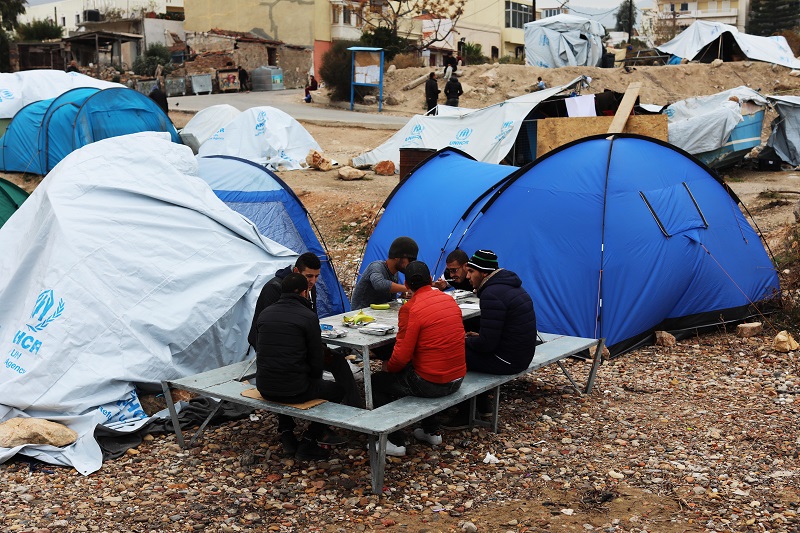
 

NGOs urge UN High Commissioner for Refugees to act on refugee rights during Greece visit

Giorgos Moutafis for SolidarityNow

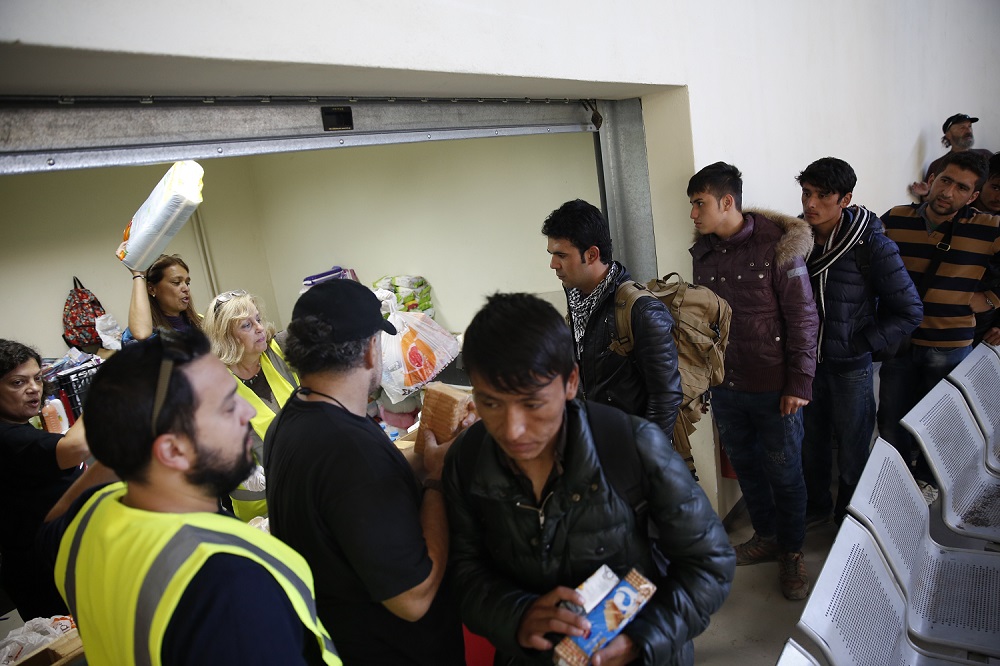
28 November 2019 – On Wednesday, UN High Commissioner for Refugees, Filippo Grandi, visited the Reception and Identification Centre in Moria – Lesvos to witness first-hand the human cost of flawed migration policies which have stranded over 39,000 people in overcrowded and dangerous refugee camps.

Ahead of Grandi’s visit, SolidarityNow together with 16 other NGOs* working in Greece delivered a written statement urging the High Commissioner to address with Greek authorities significant concerns regarding access to asylum procedures, provision of basic services and inadequate protection of children. The signatories also flagged the need for the Greek authorities to implement integration measures and urged the High Commissioner to join Greece’s efforts and actively engage EU Member States in the need for better mechanisms to share responsibility for refugees arriving in Europe.

Since July 2019, thousands of newly arrived asylum seekers don’t have access to the public healthcare system, a gap which puts peoples’ lives at risk. At the same time, the postponement of the implementation of the law on guardianship (4554/2018) violates children’s rights, as they are left without a guardian to support and protect them at every stage of the reception and legal procedure. Pending the implementation of the government’s new action plan for the protection of unaccompanied children, and with the number of unaccompanied children in the country at its highest, protection standards are worsening with thousands of children sleeping among adults, without appropriate shelter or protection, and without access to basic services or resources.

Furthermore, Greece’s new law on international protection, inter alia, abolishes basic guarantees of the asylum procedure at first instance and introduces procedural and substantial obstacles that endanger the right to an effective remedy at second instance, raising concerns about the fairness and effectiveness of the asylum system, as a whole.

Antigone Lyberaki, SolidarityNow’s General Manager said:

“The Closed Detention Centres exercise a pervasive corrosive influence on society. This is not only due to the impact on the rights of those incarcerated within the walls of such Centres. More important is the effect of projecting a negative image of asylum seekers as a potential threat to society at large. It is my fervent wish that these potential impacts are seriously taken into consideration in deciding how these Centres will operate”.

*ActionAid, Arsis, Danish Refugee Council, Defence for Children International, Diotima, Elix, Greek Council for Refugees, Greek Forum of Refugees, Help Refugees, International Rescue Committee, Medecins du Monde, Mobile Info Team, Network for Children’s Rights, Oxfam, Refugee Legal Support, SolidarityNow, Terre des hommes Hellas

Racist Violence Recording Network expresses concern over xenophobic reactions against refugees


In recent weeks, the Racist Violence Recording Network (RVRN) has witnessed an increasing number of xenophobic and racist incidents, targeting the transfers of asylum seekers to reception facilities. These incidents may be committed by small groups from local communities but the wide-spread and organized nature they seem to take, as well as the involvement of officials, are of particular concern to us.

The RVRN has many times in the past emphasized the link between the rise in xenophobia and racist manifestations with both the absence of a coherent migration policy and the prolonged overcrowding on the islands and in accommodation sites (camps) on the mainland, under very precarious conditions, which hinder the smooth integration of refugees and migrants in the Greek society.

We call on the representatives of the State, the local officials but also the media, to abstain from the xenophobic rhetoric that reproduces negative stereotypes and fake news, while normalizing, or at times encouraging, extreme xenophobic reactions.

Any concerns of local communities should not be allowed to be exploited by organized racist groups. Therefore, we urge the State to secure the safe transfer and smooth adaptation of refugees into accommodation facilities and fully implement the anti-racist legislation – in view also of the process to establish the National Council against Racism and Xenophobia – thus sending a clear message that such actions are not tolerated in a country governed by the rule of law.

Finally, specific attention should be paid to inform and support local communities, and manage the problems that may arise.

Έκκληση μετεγκατάστασης προσφύγων


SolidarityNow co-signs a call on EU member states and the European Commission, to make a collective pledge of at least 30,000 places to be made available for resettlement to the EU in 2020. It is imperative that these 30,000 places are implemented within the calendar year, guaranteeing a durable solution for some of the most vulnerable refugees in 2020. In addition, EU Member States should continue to expand complementary pathways such as humanitarian visas, private sponsorship, and higher education scholarships.

Read the call here

Greek, EU authorities urged to break ‘vicious cycle’ of overcrowded asylum-seeker hotspots

Giorgos Moutafis

• For the third year in a row, vulnerable asylum seekers – including thousands of children – are trapped on the Greek islands of the eastern Aegean, enduring inhumane conditions in overcrowded hotspots.

• Although the Greek government is moving many people to the mainland, 12 humanitarian organisations are calling for an end to this vicious cycle.

• The organisations urge the Greek and EU authorities to move towards sustainable solutions for the reception, protection and integration of refugees.

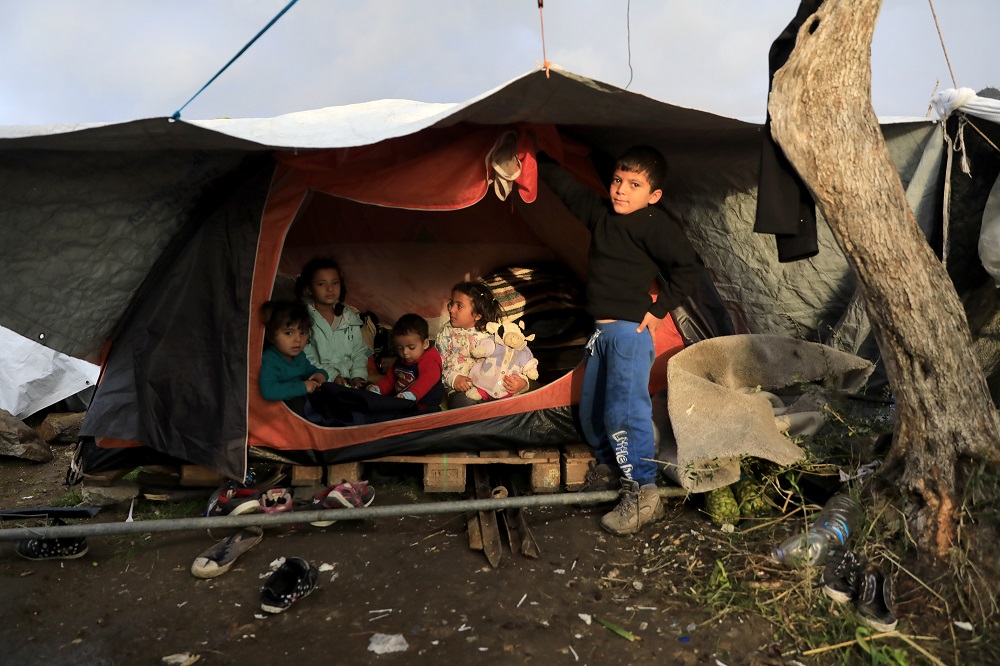
Athens, September 18, 2019 – Once again, the overcrowding on the Aegean islands comes as no surprise. Nearly 22,000 people, 35% of whom are children, are housed in Reception and Identification Centers (RICs) [1] across Greek islands. These centers’ capacity has been exceeded by 500%, forcing vulnerable people to live in degrading and dangerous conditions.

The authorities have not been mobilized quickly enough to deal with this year’s increase in arrivals, and it is no wonder the public – which has witnessed the same story before – remains unmoved.

There are still serious implications for the living conditions of people living in these reception centers. Away from the Greek and European mainland, sick people, women and children remain without adequate access to health care, nutrition and sanitation.

Asylum seekers’ have spoken out about how overcrowding creates precarious living conditions, as demonstrated by the recent death of an unaccompanied child in Moria’s [2] ‘safe zone.’

Although around 7,000 people are entitled to be moved from the islands, as their restrictions [3] have been lifted, the process constantly breaks down due to a lack of available hosting places on the mainland. This is further impeded by the absence of an effective relocation program for asylum seekers in Europe and long delays in processing family reunification requests.

A lack of long-term planning for the effective integration of refugees into the country has delayed their removal from housing programs, leading to more extensions and blockages of the system.

A lack of integration programs, the continued postponement of the Helios [4] project, the persistent difficulties in accessing eligible benefits and services (such as AMKA, AFM bank accounts and allowances) and the general lack of essential provisions for vulnerable groups systematically hamper the existing system’s ability to work properly and efficiently.

Moving 1,500 people from Lesvos to mainland Greece is a step forward but it is not a solution for the people who are housed in tents that do not meet basic living standards. Neither is it a solution for the thousands more who live in precarious conditions until it is their turn to move on.

The signatory organizations have been at the forefront of the so-called “refugee crisis” – both on the side of the Greek state as well as refugees – and know that improving the asylum, reception and integration system in Greece is possible. Greece can meet the needs of asylum seekers [5] with a long-term strategy that acknowledges the benefits of refugee integration as well as the needs of host communities. What is needed is a coherent plan that makes the most of the resources [6] made available by the EU. This plan must also deliver adequate infrastructure and human resources and should work effectively with civil society.

European leaders must share the responsibility for the reception and support of asylum seekers by creating a permanent relocation mechanism and backing family reunification.

We need a better system that safeguards human dignity and provides people with a future without further delay. We must break this vicious circle.

The signatory organisations: ActionAid Hellas, ASB, Danish Refugee Council (DRC Greece), Defense for Children International Greece, Network for Children’s Rights, Diotima, ELIX, Greek Council for Refugees, Greek Forum of Refugees, International Rescue Committee (IRC), Solidarity Now, Terre des hommes Hellas

[1]  https://infocrisis.gov.gr/5997/national-situational-picture-regarding-the-islands-at-eastern-aegean-sea-12-9-2019/?lang=en

[2] shorturl.at/EIU09

[3] https://www.tovima.gr/2019/09/06/society/7-000-prosfyges-mporoun-na-metakinithoun-stin-endoxora/

[4] https://greece.iom.int/el/hellenic-integration-support-beneficiaries-international-protection-helios-0

[5] http://asylo.gov.gr/wp-content/uploads/2019/08/Greek_Asylum_Service_data_July_2019_gr.pdf

[6] https://ec.europa.eu/home-affairs/sites/homeaffairs/files/what-we-do/policies/european-agenda-migration/20190906_managing-migration-eu-financial-support-to-greece_en.pdf

Child Protection & EU Funding for migrant populations in Greece


On 16 May 2019, on the occasion of the Roundtable Conference “Child Protection & EU Funding for migrant populations in Greece: A reality check and the way forward” several child protection experts and migration stakeholders met to discuss the reception system and integration perspectives of children in migration in Greece, from the perspective of EU funding.

The discussion was focused on child protection challenges that the Greek State encountered in the aftermath of the so-called refugee crisis of 2015 that revealed chronic deficiencies of the reception, asylum and child protection systems of the country.

Read the joint NGO recommendations here

Over 100 organisations call Von Der Leyen to stop criminalization of Solidarity with migrants

Giorgos Moutafis

Over 100 independent organisations are calling the new European Commission to stop the criminalisation of solidarity with migrants in Europe in a joint statement published today.

The organisations are calling the European Commission and its newly elected head Ursula Von der Leyen to reform the EU Facilitation Directive, which currently allows Member States to criminalise humanitarian aid.

In particular, the signatories wrote:

“Most investigations and formal prosecutions are related to the vague definition of crime in the EU Facilitation Directive which fails to properly distinguish between human smuggling and humanitarian work. But the European Commission has been reluctant to consider the links between the EU Facilitation Directive and the criminalisation of solidarity”.

The statement also refers to a recent study by the European research platform ReSOMA which found at least 158 Europeans have been criminalised for their help towards migrants since 2015.

The signatories wrote:

“The targets include volunteers, activists, NGOs, crew members of rescue ships, migrants’ family members, and also journalists, mayors and priests. The recent arrest of the Sea Watch 3 captain, Carola Rackete, is just the latest example of how people are being blamed for saving migrants’ lives and providing the humanitarian assistance which Member States are unwilling or unable to provide, despite being obliged to according to international and EU law.”

Notes to the editors:

  • The signatories to the joint statement include organisations working for human rights and humanitarian aid.
  • The full list of signatories is available in the joint statement in attachment.

Read the statement here.

Carola Rackete is free!

Orestis Seferoglou

Yesterday, together with 12 other organizations, #SolidarityNow addressed the European institutions and the political, civilian and judicial authorities of Italy, asking them to protect the rights of captain #Carola_Rackete, the people she has rescued, the rule of law and ultimately, the value of solidarity in Europe.
Today we are relieved that justice has been done and Carola, whose only ‘wrongdoing’ was to protect people’s lives, is FREE!
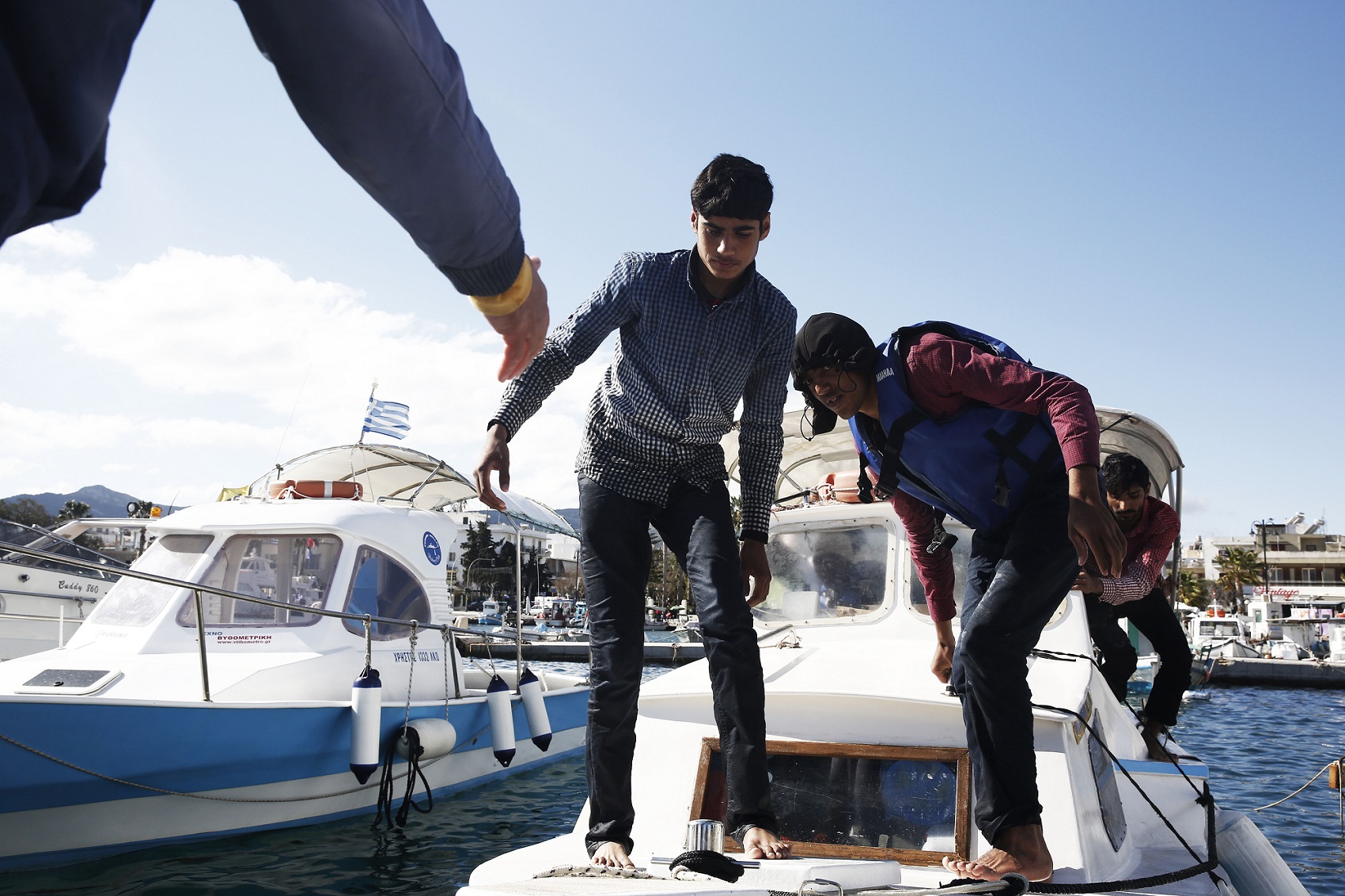
SN has previously taken action against the pan-European trend that criminalizes acts of solidarity, supporting two humanitarian volunteers, Sara Mardini and Seán Binder when they were arrested for helping people arriving safely to Lesvos islands, in 2018. Through close collaboration with other organizations such as Amnesty International and Human Rights Watch, we worked towards their release from pre-trial detention. #FreeCarola #FreeCarolaRackete

Read here the appeal

Refugees escaping war are not a problem for Greeks

Giorgos Moutafis for SolidarityNow

Dominika Spyratou is an Advocacy Officer with SOLIDARITYNOW, an organisation supporting those most affected bythe economic and humanitarian crises in Greece. She looks back on the launch of an important new report on the country that took place in May.  Dominika is a mentee  in the Social Change Initiative’s (SCI) migration mentoring programme – this programme provides mentoring support to leaders working on migration in six countries.

TWO exciting events recently took place in Athens and Thessaloniki.

Their aim was, firstly, to present the findings of a new report on Attitudes Towards National Identity, Immigration, and Refugees in Greece and, secondly, to explore how they might be used by interested parties in their work.

Local media showed a particular interest in the report’s results, some focusing on people’s anger, fear and frustration towards their country (for an example in Greek see here) while others (see report in English here) concentrated on how Greeks still show empathy towards refugees despite the harsh times the country is facing.

The finding that wasn’t highlighted enough though is how Greek society is not divided in two groups – those who are in favour of migration and those against.

In reality the vast majority of people hold mixed views that very much depend on their own personal experiences, values and beliefs.

This important finding together with the report’s segmentation analysis which breaks the Greek population into groups of opinion, make this study a unique tool for migration stakeholders who want to change the negative public narrative around migration and build a more inclusive society.

THE REPORT

The research, polling and focus groups that made up the report were conducted by Ipsos Greece with the support of SCI in partnership with More In Common.

Among the key findings, the research found that: “While Greeks feel deeply disaffected as a result of over a decade of austerity, this disaffection has not been turned broadly against those who have come to Greece seeking refuge.”

This provides a more accurate account of what the majority (67%) of Greeks truly feel about migration, and challenges the prevailing populist narrative on migration.

The report found:

  • The Greek population coalesces into six distinct opinion segments – one segment has open and welcoming views (20%), two segments have closed views (18%) and three segments (62%) have conflicting views. However, each individual segment is motivated by unique perspectives and combinations of values.
  • Despite the immense pressures that Greece is under, opinions are, for the most part, less sharply divided among the different segments.
  • Nearly three quarters (74%) of Greeks reject the idea of sending refugees who are children arriving without family back to their country of origin.
  • 94% of the population agree that when the government makes laws, the number one principle should be ensuring that everyone is treated fairly.

The research also suggests that building a positive and engaging story of Greece’s future should start with pride in Greek identity and in the character and efforts of ordinary Greek people at the grassroots.

It found that Greek achievements in the face of enormous difficulties were also to be seen as a source of pride for its people.

USING THE INFORMATION

The two workshops in Athens and Thessaloniki in May brought together advocacy and communications experts, journalists, academics as well as INGO and municipality representatives and mostly focused on the people with mixed views, or in other words the ‘middle’ segments.

These groups constitute 62% of the Greek population and don’t hold strong opinions therefore their public attitudes can be more easily changed, albeit towards either direction.

Together we tried to identify who these people are, understand each segment’s specific concerns, what drives their behaviour and most importantly, how to connect and speak more strategically with them before more conservative or extremist groups do so instead.

What we have all agreed is that people in all segments have legitimate concerns which need to be addressed.

Refugees escaping war and persecution are not a problem for Greeks.

What they are really concerned about is economic uncertainty, increasing inequality, security threats and our joint future under these difficult circumstances.

It’s time for all of us to start discussing more strategically these issues.

In order for that to happen, Greek civil society needs to rebuild trust with the public which – as the report shows – in the last years has reached a very low level.

This should be our common next big project!

  • You can read the full research report on Greece here.


This blog was originally posted at https://www.thesocialchangeinitiative.org/refugees-escaping-war-are-not-a-problem-for-greeks/