Connecting Blue Dots to support refugee and migrant children


SolidarityNow on the side of the most vulnerable populations through the operation of Care Hubs in Attica, Epirus, and Eastern Macedonia

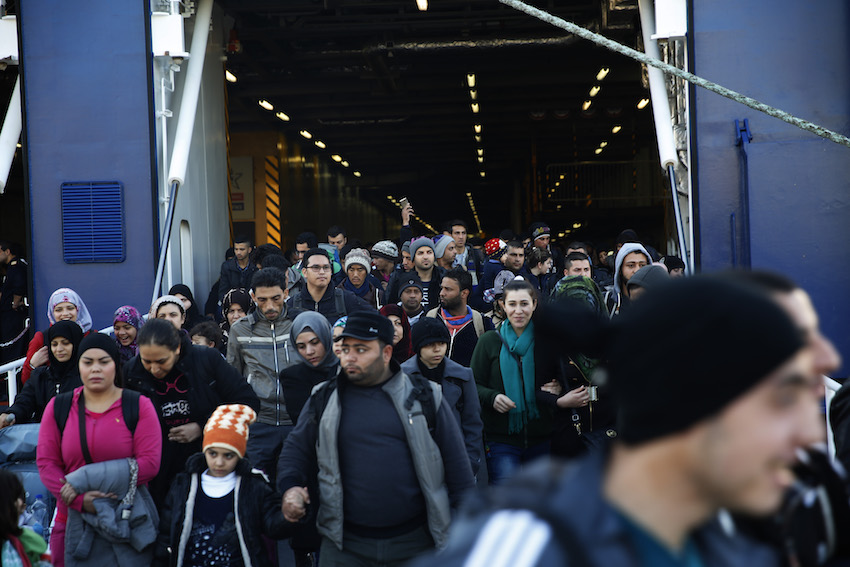
As part of ongoing efforts to protect the most vulnerable refugee and migrant groups, special support centers –known as “Blue Dots”- for children, women and families are being rolled out in more than 10 points across Greece to provide vital services, counselling and play in a single location.

SolidarityNow, with UNICEF support, is implementing this innovative approach to connect the Blue Dots on a national scale. Piloted in Greece in the Port of Piraeus earlier in 2016, the Blue Dots concept was developed originally by UNHCR, UNICEF and ICRC to ensure a minimum package of services was available to the refugee population across Europe and foster complementarity amongst protection actors on the ground. The SolidarityNow “Blue Dots” are easily identified, since they have the distinctive mark of the blue dot indicating that through the present structure the several essential services are provided free of charge. Through this program, SolidarityNow is addressing the inadequate supply of services in 4 different geographical areas of the country: Attica (Elefsina and Marathonas), Central Macedonia (Oreokastro and Kavalari), Eastern Macedonia (Drama) and Epirus (Filippiada, Ioannina and Doliana).

The Blue Dots in detail

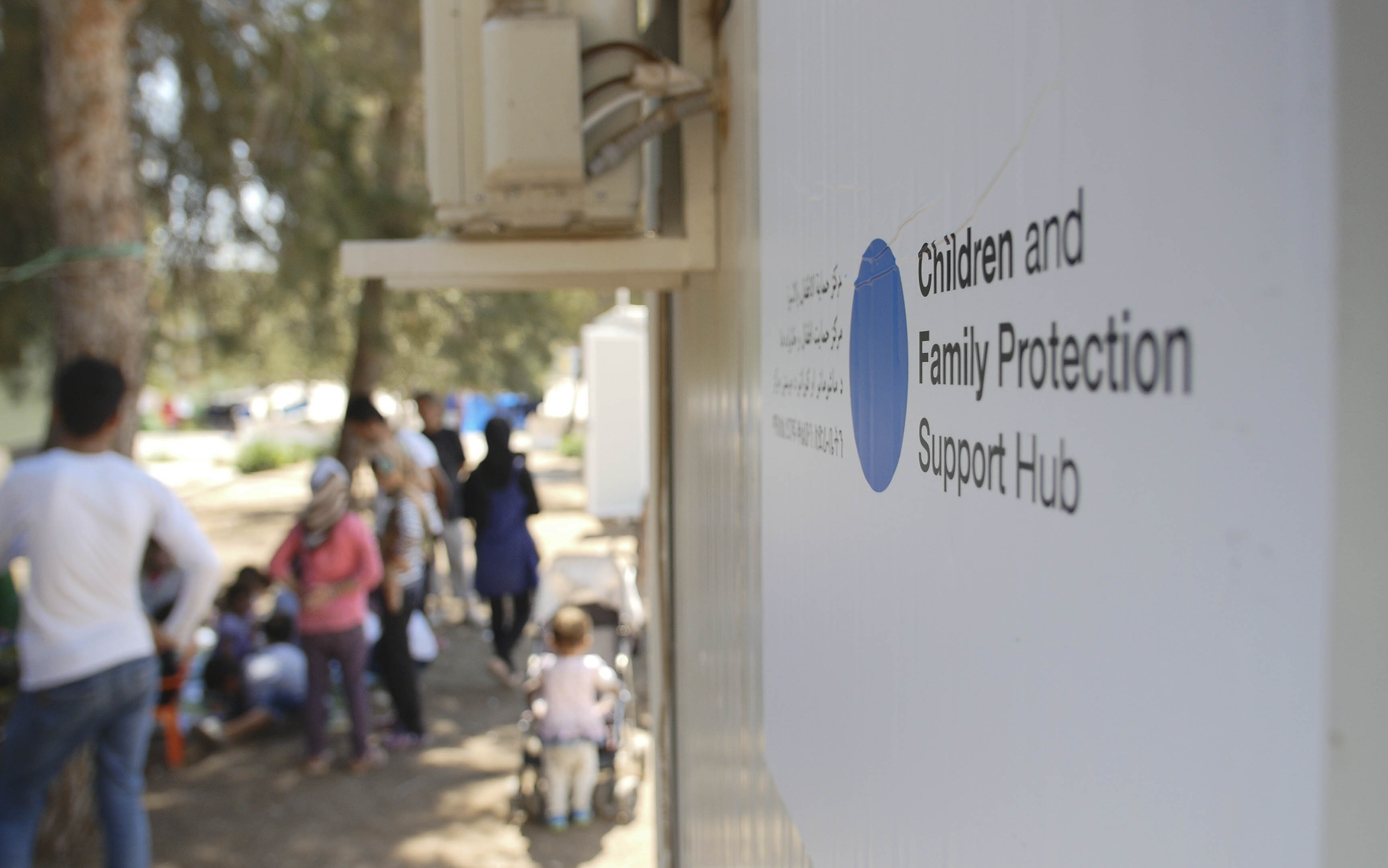
The “Blue Dots” are Child & Family Care Hubs for children, women and other vulnerable people living in refugee camps in Attica, Epirus and Central and Eastern Macedonia, as well as in the urban environment of these regions, where the greatest populations’ needs are recorded.

Every “Blue Dot” is a safe place for refugee children and their families, while the range of services offered at each one includes legal counseling, psycho-social support, case management and referrals, specific area exclusively for mothers and babies/children.

“The Blue Dot is the image of our world, as envisioned by SolidarityNow – a planet where people will be equally treated and have the same opportunities living in societies based on solidarity and peaceful coexistence and this begins by helping children and families”, says Epaminondas Farmakis, Managing Director of SolidarityNow.

More specifically, the operation of the Child & Family Care Hubs includes:

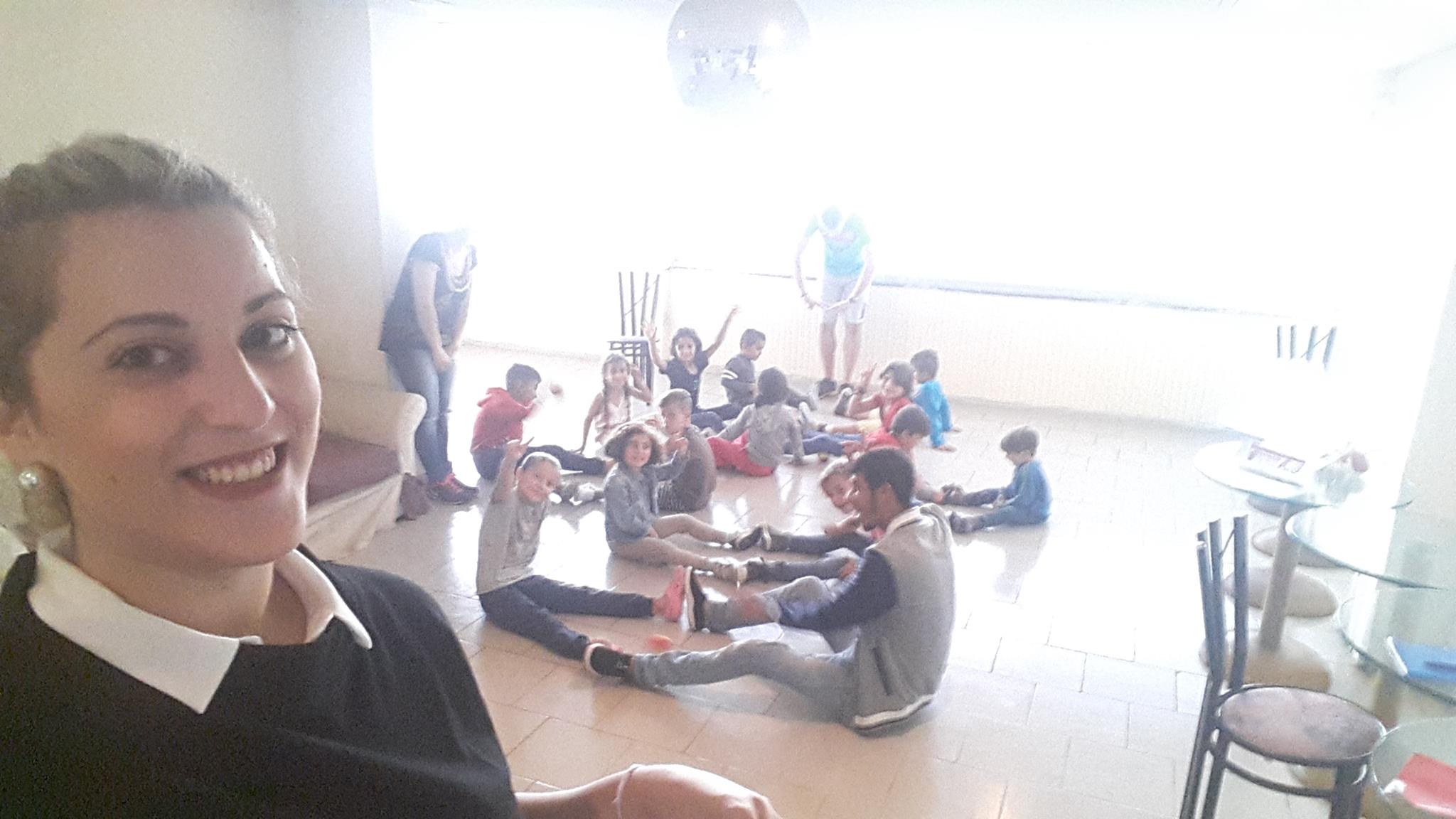
  • Child-friendly spaces that provide recreational and educational activities for children in order to restore the sense of normalcy that they have lost during the journey and while stranded.
  • Identification and referral of vulnerable persons to specialized services, including vulnerable families, single mothers, children at risk with a specific focus on unaccompanied children, persons with disabilities or illnesses, cases of suspected trafficking, survivors of sexual and gender-based violence (SGBV).
  • Breastfeeding corners and provision of reproductive, neonatal, and postnatal care and counseling.
  • Sharing efficient and accurate information to refugees and migrants, about their rights (before and after applying for international protection).
  • Providing general psycho-social services, and referrals when needed.
George Soros: Open Society Needs Defending


Open societies are in crisis, and various forms of closed societies – from fascist dictatorships to mafia states – are on the rise. Because elected leaders failed to meet voters’ legitimate expectations and aspirations, electorates have become disenchanted with the prevailing versions of democracy and capitalism.

Well before Donald Trump was elected President of the United States, I sent a holiday greeting to my friends that read: “These times are not business as usual. Wishing you the best in a troubled world.” Now I feel the need to share this message with the rest of the world. But before I do, I must tell you who I am and what I stand for.

I am an 86-year-old Hungarian Jew who became a US citizen after the end of World War II. I learned at an early age how important it is what kind of political regime prevails. The formative experience of my life was the occupation of Hungary by Hitler’s Germany in 1944. I probably would have perished had my father not understood the gravity of the situation. He arranged false identities for his family and for many other Jews; with his help, most survived.

In 1947, I escaped from Hungary, by then under Communist rule, to England. As a student at the London School of Economics, I came under the influence of the philosopher Karl Popper, and I developed my own philosophy, built on the twin pillars of fallibility and reflexivity. I distinguished between two kinds of political regimes: those in which people elected their leaders, who were then supposed to look after the interests of the electorate, and others where the rulers sought to manipulate their subjects to serve the rulers’ interests. Under Popper’s influence, I called the first kind of society open, the second, closed.

The classification is too simplistic. There are many degrees and variations throughout history, from well-functioning models to failed states, and many different levels of government in any particular situation. Even so, I find the distinction between the two regime types useful. I became an active promoter of the former and opponent of the latter.

I find the current moment in history very painful. Open societies are in crisis, and various forms of closed societies – from fascist dictatorships to mafia states – are on the rise. How could this happen? The only explanation I can find is that elected leaders failed to meet voters’ legitimate expectations and aspirations and that this failure led electorates to become disenchanted with the prevailing versions of democracy and capitalism. Quite simply, many people felt that the elites had stolen their democracy.

After the collapse of the Soviet Union, the US emerged as the sole remaining superpower, equally committed to the principles of democracy and free markets. The major development since then has been the globalization of financial markets, spearheaded by advocates who argued that globalization increases total wealth. After all, if the winners compensated the losers, they would still have something left over.

The argument was misleading, because it ignored the fact that the winners seldom, if ever, compensate the losers. But the potential winners spent enough money promoting the argument that it prevailed. It was a victory for believers in untrammeled free enterprise, or “market fundamentalists,” as I call them. Because financial capital is an indispensable ingredient of economic development, and few countries in the developing world could generate enough capital on their own, globalization spread like wildfire. Financial capital could move around freely and avoid taxation and regulation.

Globalization has had far-reaching economic and political consequences. It has brought about some economic convergence between poor and rich countries; but it increased inequality within both poor and rich countries. In the developed world, the benefits accrued mainly to large owners of financial capital, who constitute less than 1% of the population. The lack of redistributive policies is the main source of the dissatisfaction that democracy’s opponents have exploited. But there were other contributing factors as well, particularly in Europe.

I was an avid supporter of the European Union from its inception. I regarded it as the embodiment of the idea of an open society: an association of democratic states willing to sacrifice part of their sovereignty for the common good. It started out at as a bold experiment in what Popper called “piecemeal social engineering.” The leaders set an attainable objective and a fixed timeline and mobilized the political will needed to meet it, knowing full well that each step would necessitate a further step forward. That is how the European Coal and Steel Community developed into the EU.

But then something went woefully wrong. After the Crash of 2008, a voluntary association of equals was transformed into a relationship between creditors and debtors, where the debtors had difficulties in meeting their obligations and the creditors set the conditions the debtors had to obey. That relationship has been neither voluntary nor equal.

Germany emerged as the hegemonic power in Europe, but it failed to live up to the obligations that successful hegemons must fulfill, namely looking beyond their narrow self-interest to the interests of the people who depend on them. Compare the behavior of the US after WWII with Germany’s behavior after the Crash of 2008: the US launched the Marshall Plan, which led to the development of the EU; Germany imposed an austerity program that served its narrow self-interest.

Before its reunification, Germany was the main force driving European integration: it was always willing to contribute a little bit extra to accommodate those putting up resistance. Remember Germany’s contribution to meeting Margaret Thatcher’s demands regarding the EU budget?

But reuniting Germany on a 1:1 basis turned out to be very expensive. When Lehman Brothers collapsed, Germany did not feel rich enough to take on any additional obligations. When European finance ministers declared that no other systemically important financial institution would be allowed to fail, German Chancellor Angela Merkel, correctly reading the wishes of her electorate, declared that each member state should look after its own institutions. That was the start of a process of disintegration.

After the Crash of 2008, the EU and the eurozone became increasingly dysfunctional. Prevailing conditions became far removed from those prescribed by the Maastricht Treaty, but treaty change became progressively more difficult, and eventually impossible, because it couldn’t be ratified. The eurozone became the victim of antiquated laws; much-needed reforms could be enacted only by finding loopholes in them. That is how institutions became increasingly complicated, and electorates became alienated.

The rise of anti-EU movements further impeded the functioning of institutions. And these forces of disintegration received a powerful boost in 2016, first from Brexit, then from the election of Trump in the US, and on December 4 from Italian voters’ rejection, by a wide margin, of constitutional reforms.

Democracy is now in crisis. Even the US, the world’s leading democracy, elected a con artist and would-be dictator as its president. Although Trump has toned down his rhetoric since he was elected, he has changed neither his behavior nor his advisers. His cabinet comprises incompetent extremists and retired generals.

What lies ahead?

I am confident that democracy will prove resilient in the US. Its Constitution and institutions, including the fourth estate, are strong enough to resist the excesses of the executive branch, thus preventing a would-be dictator from becoming an actual one.

But the US will be preoccupied with internal struggles in the near future, and targeted minorities will suffer. The US will be unable to protect and promote democracy in the rest of the world. On the contrary, Trump will have greater affinity with dictators. That will allow some of them to reach an accommodation with the US, and others to carry on without interference. Trump will prefer making deals to defending principles. Unfortunately, that will be popular with his core constituency.

I am particularly worried about the fate of the EU, which is in danger of coming under the influence of Russian President Vladimir Putin, whose concept of government is irreconcilable with that of open society. Putin is not a passive beneficiary of recent developments; he worked hard to bring them about. He recognized his regime’s weakness: it can exploit natural resources but cannot generate economic growth. He felt threatened by “color revolutions” in Georgia, Ukraine, and elsewhere. At first, he tried to control social media. Then, in a brilliant move, he exploited social media companies’ business model to spread misinformation and fake news, disorienting electorates and destabilizing democracies. That is how he helped Trump get elected.

The same is likely to happen in the European election season in 2017 in the Netherlands, Germany, and Italy. In France, the two leading contenders are close to Putin and eager to appease him. If either wins, Putin’s dominance of Europe will become a fait accompli.

I hope that Europe’s leaders and citizens alike will realize that this endangers their way of life and the values on which the EU was founded. The trouble is that the method Putin has used to destabilize democracy cannot be used to restore respect for facts and a balanced view of reality.

With economic growth lagging and the refugee crisis out of control, the EU is on the verge of breakdown and is set to undergo an experience similar to that of the Soviet Union in the early 1990s. Those who believe that the EU needs to be saved in order to be reinvented must do whatever they can to bring about a better outcome.

Original Text

«SOLIDARITYNOW: The Greek citizenship is a matter of conscience and inclusion in the society

(Ελληνικά) Giorgos Moutafis for SolidarityNow

The granting of Citizenship to second generation migrant children was one of the main policy priorities of the Government from January 2015.

The relevant legislation was introduced on July 2015 and was widely praised by civil society organizations.

Sadly, the structure of the newly-found Ministry of Migration Policy does not reflect such prioritization, since it does not incorporate in its mandate the Department of Citizenship, which stays under the mandate of the Ministry if Interior.

SolidarityNow calls the Greek Government to revise this decision and incorporate the Department of Citizenship into the Ministry of Migration Policy, in order to reflect, both administratively and politically, the prioritization of granting citizenship to Second Generation migrant children.

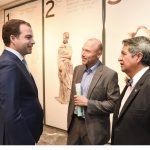
SolidarityNow presented its work at the Museum of Cycladic Art


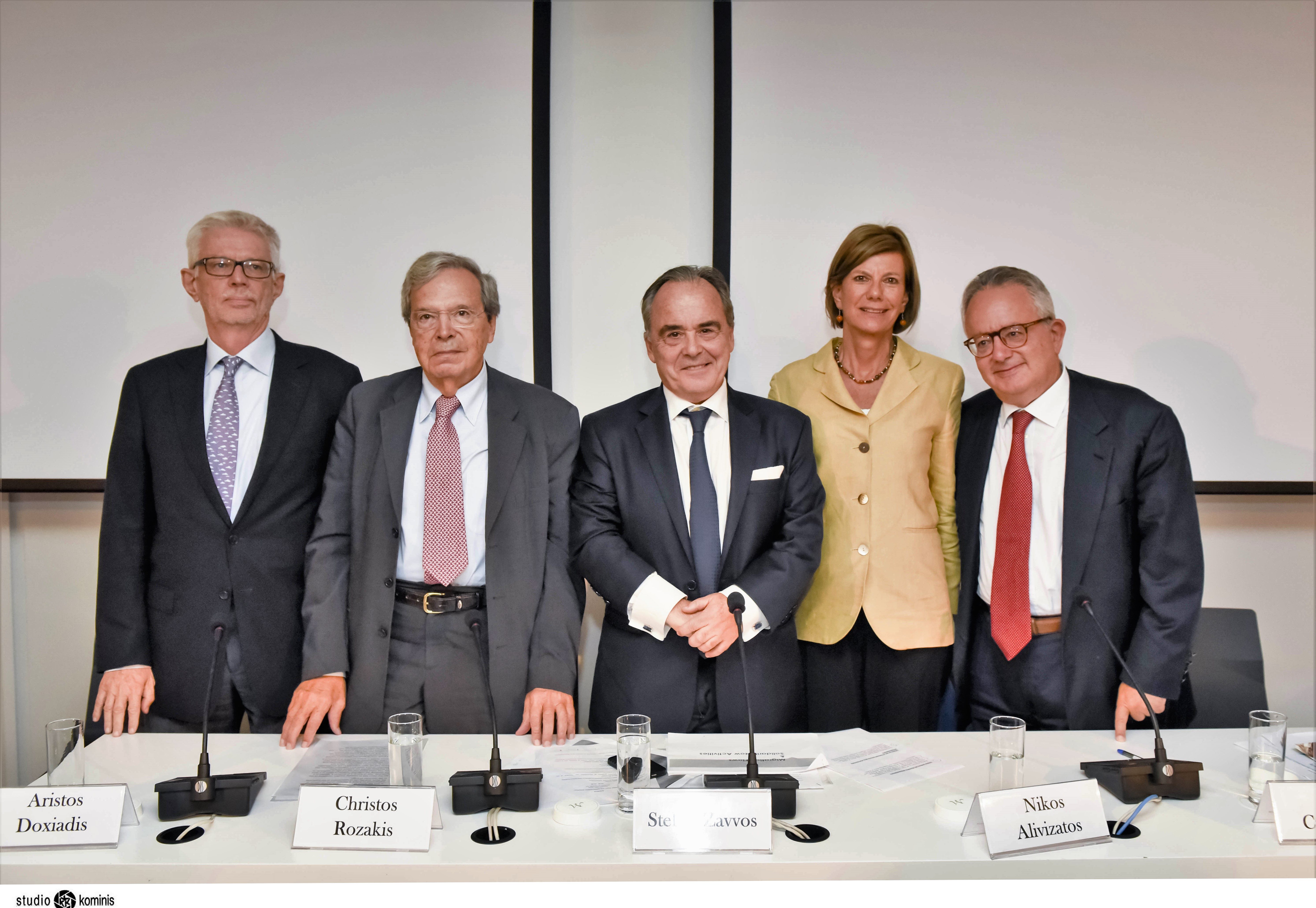
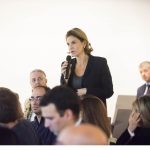
“The Greek people have not only endured the situation, but mostly they have shown solidarity to the refugees. And this is something to remember. Because migration will continue and will be one of the main challenges of the European scenery” said Mr. Stelios Zavvos, the President of SolidarityNow during the event entitled “Refugee Flow & Initiatives taken by SolidarityNow» held at the Museum of Cycladic Art on Wednesday, October 20.

The event took place with the occasion of the exhibition of the Chinese artist Ai WeiWei, hosted by the end of October and carried out with the support of SolidarityNow, as a social partner.

The aim of the event was the presentation of the organization’s activities, both in terms of the refugee crisis and the humanitarian crisis in the country in general. Prominent guests were invited by the members of the Board of SolidarityNow, whereas keynote speakers were the President and the BOD members, Mr. Stelios Zavvos, Professors Christos Rozakis and Nikos Alivizatos, Mr. Aristos Doxiadis and Mrs Jenny Kavounidou.


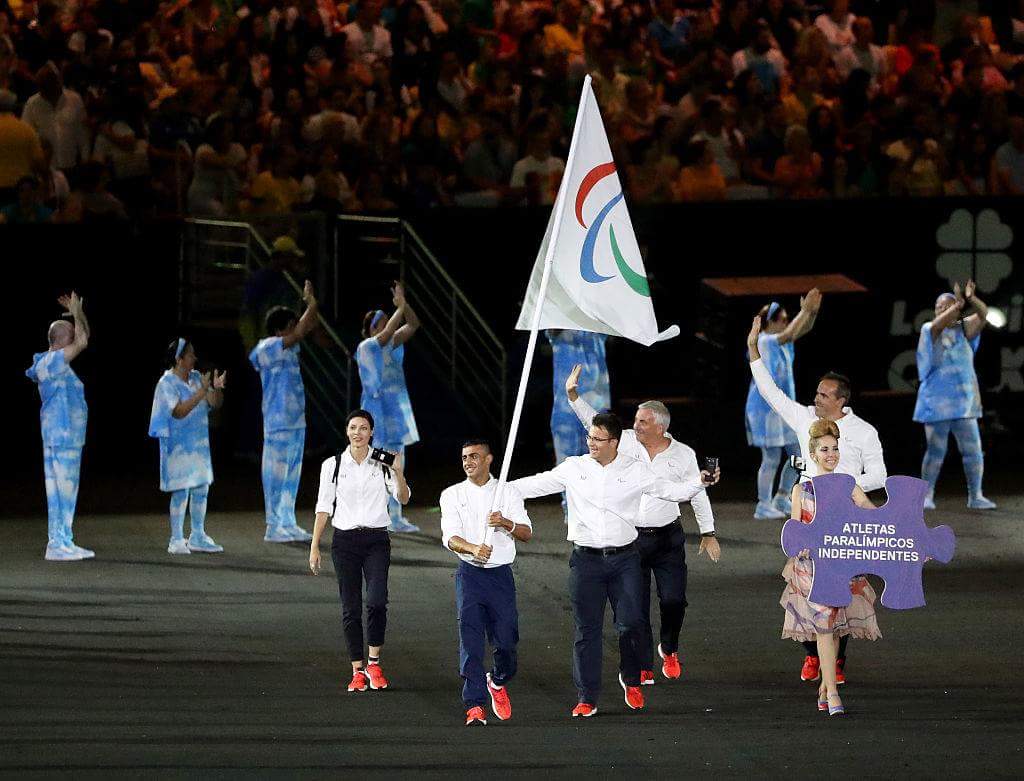
Ibrahim from Syria and the experience of Paralympic Games in Rio!


Eleni Kokkinou describes us her experience
as a member of the Paralympic Refugee Team


by Eleni Kokkinou,
Special Physical Education teacher in SolidarityNow, for Hosting Scheme Project “Home for Hope”


I work as a teacher of special physical education and fitness for the last 13 years since I got my degree, mainly in the disability field, but also in formal education. I joined the SolidarityNow team last summer, being responsible, along with a fellow psychologist, for the sports activities of children aged 6-12 being hosted in Theoxenia Hotel and for the creative activities of preschool and school age children.

I think that provide a child, and man in general, with equal opportunities in education is one of the most important assets for its life, and is also one of the reasons I choose to interact and mingle with socially vulnerable groups. The occupation with vulnerable groups differs from formal education, and although it might make each day a little more difficult, simultaneously it makes it stronger in happy moments.

The unforgettable moments are the ones when you see a child or athlete, conquer knowledge and evolve, as well as when we overcome various obstacles aroused, working effectively as a team.

In early summer, I was informed that we would be together with Ibrahim Al Hussein, refugee from Syria with amputated leg from a bomb and an athlete, in the “Pioneers” swim team, members of which are people with special needs. The “Pioneers” took part in the first team of refugees-athletes with special needs ever created in Paralympic Games of Rio, Brazil! Our group went under the name Independent Paralympic Athletes.

The initiative for the formation of this team, was taken by the International Paralympic Committee following the proposal by the Greek Paralympic Committee and the Chairman Mr. Fountoulaki. The joy and pride for the athletes of this special team was great since it inspired and motivated them to continue fighting in order to achieve their goals and dreams; no matter how big they are.

For me, it was a unique experience; from the support expressed on behalf of other groups from different countries for our presence, until the award given to one of my athletes. The Whang Youn Dai Achievement Award kontrak is granted to one male and one female athlete who are ambassadors of the values and importance of Paralympic movement. For Ibrahim the most touching moment was during the game as it was the dream come true; a dream that was born in Syria long before war starts.

I am so proud of Ibrahim! He achieved two individual records in freestyle swimming of 50m. and 100 meters. and he made it under the pressure of such a great game! And I mean “great”, underlying the special meaning of this word in the world of Paralympic Games.


*The Hosting Scheme Project Home for Hope is implemented by SolidarityNow
with the support of ‪‎UNHCR and EU funding.

Huffington Post: The first UN World Humanitarian Summit: Results, omissions, and future goals


The first UN World Humanitarian Summit: Results, omissions, and future goals
By Arianna Tsolakoglou, Advocacy Officer of SolidarityNow

Published on the Huffington Post on 30.05.3016

The recently concluded, first-ever UN-led World Humanitarian Summit in Istanbul may be remembered as an impressive logistical achievement: around 9,000 stakeholders representing 173 countries, including heads of states, representatives of UN agencies, NGOs, civil society organizations, philanthropy, the private sector and academia came together to talk about how to improve aid delivery to people affected by various crises around the world.

Unlike the COP, for example, the WHS was not an inter-governmental process in which governments tried to agree on a specific text in advance. Instead, it sought a range of ideas from all actors involved in humanitarian aid. This automatically meant that is was bound to be somewhat unwieldy and unfocused. And to a great extent, it was. Yet, it also meant that many voices that do not traditionally have power were given a voice – and were heard. Either way, the very fact that the Summit took place in the chaotic and directionless way that it did, was in itself a tacit recognition of a narrative that has become increasingly popular: the humanitarian sector is an “eco-system” rather than a top-down, command-and-control system and for this reason, it requires a stronger shift to collaboration and cooperation, among all its actors. By bringing this wide range of actors to the table, the summit also helped put humanitarian issues higher on the agenda in the politics, business and society at large.

What was agreed on:
The most concrete outcome of the Summit was the top 30 donors and aid agencies signing a so-called “Grand Bargain” to make aid more efficient, including harmonizing time-consuming donor proposals and reporting, reducing costs, introducing collective needs assessments, and earmarking less funding to specific projects. Also a shift towards greater use of cash transfers as aid was generally endorsed but did not constitute a collective agreement.

The “localization” of aid was also an important agreement of the discussions, as the Grand Bargain affirmed it will direct 25 percent of humanitarian funding in a more direct and efficient manner to local and national agencies. The Summit also marked the launch of NEAR, a network aiming to “reshape the top-down humanitarian and development system to one that is locally driven and owned, and is built around equitable, dignified and accountable partnerships”. Twenty-seven international NGOs also signed the new Charter4Change, committing to passing 20 percent of their funding to national NGOs by 2018.

Among others, the Summit also agreed on and emphasized the need for more innovative approaches to financing. Several initiatives were announced, including a one in which private investors make an initial investment into a humanitarian response program and are reimbursed (with a profit) by traditional donors only if certain outputs are met, an autonomous, global Islamic endowment fund for humanitarian needs and a private-sector led initiative to increase risk financing in the most vulnerable countries.

Finally, it was agreed that the humanitarian sector needs to better respond to conflicts and shift the part of the focus off natural disasters, and that protracted conflict must be at the core of humanitarian work.

What was not agreed on (and should have)
Perhaps the biggest disappointment of a Summit whose primary aim was finding ways to prevent and end conflicts was the absence of world leaders, particularly the five permanent members of the UN Security Council. Apart from this –inexcusable- absence, what was striking was that a better deal for the people on the move and their hosts, was not made. Before the Summit, the UN Secretary General had proposed a fairer approach to sharing the burden of the people on the move with host countries, and a target to reduce internal displacement by 50 percent by 2030. To our disappointment, Summit participants only managed to agree on the need to pursue a new approach to address the needs of these vulnerable populations, without concluding anything more concrete, however.

Another great loser were the new actors who are at the very epicenter of the global humanitarian crisis – namely, volunteers and ad hoc civil society organizations who have come to the forefront in the last year or so, due the influx of the people on the move in Europe. The question of how to work with such groups, often made up of those with no humanitarian background or training, seems to have passed the WHS by. States have passed a resolution to better protect volunteers, but others on how volunteers can share information with professional humanitarians, were bypassed, sadly indicating that humanitarian actors that have stuck around for a while, are the ones who get the focus of attention.

The unwieldy list of individual and collective commitments of the Summit will supposedly be gathered into what the UN calls a “Commitments to Action platform”. But exactly how that will happen is not yet clear. The UN plans to “review” the commitments with the summit’s participants over the summer before the Secretary General presents a report to the UN General Assembly in September with recommendations for member states. But this does not mean that it is not vital for roadmap for delivering on the commitments made by all actors that attended the Summit, to be created. In fact, many of the participating actors have admitted to not knowing exactly how they will implement some of the commitments they made. And what is more serious than this?

What is certain about the first-ever World Humanitarian Summit is that it did not end. It is an ongoing process, which does not only involve proposing more structural changes to the humanitarian system, but also taking concrete actions to tackle the root causes of crises at a political level, and the political decisions that allow conflicts to flourish.

The fact that a global meeting that was premised on a reaffirmed commitment to humanity took place at all is already a major achievement. And besides, it would have been unrealistic to expect the Summit to be a revolutionary game-changer. But, it was a landmark in the sense that it effectively gave formal recognition to protracted conflict as the “new normal”, thereby acknowledging the scale and complexity of needs in this “new normal”, and the diversity of response required to address them.

Looking forward, the real challenge that lies ahead is to maintain the momentum of the Summit, and how to turn all the promises and commitments undertaken into meaningful – and measurable – humanitarian actions on the ground.

VIMA: The wounds and dreams of the refugees in the accommodation structure in Rovies


Their anxieties, their hope for relocation, and their gratitude to the Greeks

Published on the newspaper “To Vima”, June 3rd 2016

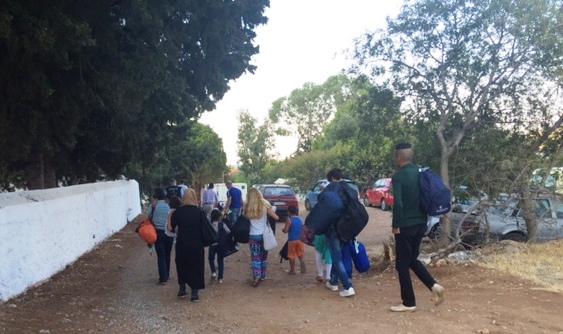
On one of the hottest afternoons of June, in the yard of a family hotel in Rovies, children are seen running, playing on the swings, playing quietly, almost silently, under thee shade of trees. Walid, one of the few adults who got up this morning, uses tools to take care of the garden, repairs what is broken, and is constantly looking for something to work on. In the kitchen, only few women help the cook to prepare traditional dishes of their homeland. Nearing the end of Ramadan, life for the people hosted at the hotel starts just before the sun sets, while breakfast is served at 2.30 in the morning so that they can endure the endless hours of fasting.For the past month, the coastal village of North Evia hosts 82 refugees who are eligible for relocation, and are mainly from Syria, with 40 children being among them. This is all being done as part of the Hosting and Housing Program implemented by SolidarityNow in cooperation with the United Nations High Commissioner for Refugees and with EU funding.

The full article is in Greek and can be found here

September finds them all together in Tilos!


Three families of nineteen adults and children arrived at Tilos a few days ago in order to be hosted in the island’s Accommodation Centre. The Center is functioning by the Municipality of Tilos with the support of SolidarityNow, since the summer of 2015.
The Mayor of the island, Ms Maria Kamma, describes the reception of the families and shares with us feelings and imagery of solidarity in action.

“This afternoon we welcomed at the Accommodation Center in Tilos, three families of refugees, accompanied by a translator of NGO METAdrasi as well as a representative of UNHCR.
The surprise and joy of refugees was evident when they saw that each family will have its own space! In the Accommodation Center they will be able to do it all by themselves since the necessary equipment is provided; they can cook and store their food as well as to take care of their personal hygiene. In addition, the children accommodated at the Centre can, in addition to learning English and Greek, play on the playground and in the surrounding place of the Centre!
We realized and shared their relief, when we heard by them that they spent time living in Lesvos in a container with 30 people, sharing only one toilet. The transportation of the families was made by the bus acquired via the SolidarityNow funding project, in cooperation with the Municipality of Tilos“.

Today, the Accommodation Centre in Tilos has covered half of its capacity, while Ms. Kamma hopes that soon they will be able to accommodate more people exploiting the Centre’s facilities to the maximum. SolidarityNow actively supports the work carried out in Tilos and will continue to do so by funding the expansion of the Accommodation Centre.
History needs examples of humanity, such as the one of Tilos and as Ms. Kamma notes, “we hope the example of Tilos become the model of solidarity which will pass on all over Greece, since it is the evidence of successful coexistence among people of different nationalities based on the one thing needed: love!“.

Let’s create a tolerant society


Dimitra Sarantopoulou, a sociologist in SolidarityNow’s refugee accommodation center in Porto Heli, talks about her experience – the experience of someone who tries to help and stand by to the people in need.
Today, 350 refugees of Kurdish and Afgan origin, are hosted in the accommodation center of Porto Heli.

A team with a common vision
Dimitra is a member of the organization’s team involved in educational activities provided to the refugees – the team consists apart from Dimitra, a philologist, a gymnast and an interpreter. For Dimitra and the rest of the team, the goal is one and clear: “To create a small society based on the principles of tolerance and acceptance in which different cultures and cultural habits can coexist”.

The different daily routine of this work
“There are a lot I can say about our daily life, the work we do, the feelings we share, that I really cannot put my whole experience into words. I feel appreciation that I was given this opportunity and I consider myself trying, along with the other members of the team, for a better world. There is no better feeling than knowing you made someone happy even for just a while.
My main role as a sociologist is to study and record the interaction of our society with new cultures, which are governed by different relations, laws and religions.
In parallel, it is my duty to try introducing in beneficiaries’ daily lives new habits and customs which will contribute to their smoother integration within the host society. Based on this principle and as a result of a great effort, we have created a small school which operates in the accommodation center. The entire team, with love for what we do, with persistence and patience, we were able to make feasible a dream that we thought impossible in the beginning! In order to have an effective school we have distinguished among the beneficiaries of different age groups and created a program able to engage all groups simultaneously and for as much as we can.
At school, beneficiaries are taught English and Greek, whereas one of its operational objectives was the creation and production of a guide with basic information that a refugee needs to know, in Arabic and Kurdish. Other activities included in the school program are gymnastics, volleyball, basketball, football and of course special activities for children such as art activities, singing and dancing – through the latter we become kids too!”.

I try…
“…in order to support them to catch the thread of their life from the beginning. I joined the organization Solidarity Now, which is trying to provide the least to people in need: a decent shelter, humane living conditions and food, opportunities for integration into Greek society, education”.

Present is part of the future
“I cannot think of the future; I prefer to think about the present. I just want to continue offering strength, courage and support to those who really need it”.

*The Hosting Scheme Project “Home for Hope” is implemented by SolidarityNow with the support of UNHCR GREECE and EU funding.

George Soros: Why I invest 500 million dollars for the refugees


George Soros, the chairman and founder of the Open Society Foundations, today pledged to invest up to $500 million to help to meet the challenges posed by the global crisis of forced migration.

Mr. Soros announced the initiative on the morning of the Obama Administration’s “Call to Action,” which has assembled U.S. business leaders at the United Nations in New York to make concrete commitments in response to the crisis.

“Our goal is to harness the private sector for public good,” Mr. Soros said. “We will invest in startups, established companies, social impact initiatives, and businesses started by migrants and refugees themselves. These investments are intended to be successful. But our primary focus is to create products and services that truly benefit migrants and host communities. I hope my commitment will inspire other investors to pursue the same mission.”

The investments will be owned by Mr. Soros’ non-profit organizations, and the profits will go to fund programs at the Open Society Foundations, including programs that benefit migrants and refugees. Mr. Soros said he would work with organizations such as the Office of the United Nations High Commissioner for Refugees (UNHCR) and the International Rescue Committee to establish appropriate investment principles for the initiative.

Filippo Grandi, the United Nations High Commissioner for Refugees, said: “The UNHCR firmly supports Mr. Soros’ pledge to make investments that will help refugees become self-reliant and help host communities. Refugees need access to financial and legal services, education, and employment opportunities; we believe the private sector is uniquely placed to help build the infrastructure needed to support these services.”

The promised funds will be in addition to philanthropic efforts already undertaken by the Open Society Foundations. The Open Society Foundations have been involved in the issue of forced migration since the early 1990s, when we sought to assist people displaced by the wars in the Balkans and by political repression in Burma. The Foundations’ response to the current crisis in Europe has included the setting up of “Solidarity” community centers in Greece in 2013 to aid both migrants and local people, and an initiative to provide Syrian refugees in the Middle East with basic legal advice. The Open Society Foundations also fund groups working with refugees, forced migrants, and migrant workers in North America, Asia, and the Middle East.

David Miliband, the president of the International Rescue Committee, said: “George Soros has shown extraordinary leadership with today’s announcement. By earmarking $500 million for investments that address critical needs of refugees and their host communities, Mr. Soros is showing how compassion and innovation can combine to meet the challenge of our age. Evidence from the International Rescue Committee’s work around the world proves that the private sector has a vital role to play in helping refugees become self-reliant. We look forward to helping Mr. Soros identify opportunities for investment, especially in the area of job creation in host communities.”