More than 220 people have found work in Thessaloniki with the support of SolidarityNow

Giorgos Moutafis for SolidarityNow

37 companies recruited beneficiaries of the organization’s Employability Service

Thessaloniki, June 11, 2019

“I just signed my contract today and I’m very happy. All the happiness on my face is thanks to you” – Linda, 40 years old from Cameroon, beneficiary of the Blue Refugee Center’s Employability Service who found a job in Thessaloniki.

Work, Confidence, Independence, Safety, Integration, and Acceptance are some of the new words learned in Greek by migrants and refugees who come to seek help and employment support at SolidarityNow’s Blue Refuge Center in Thessaloniki.

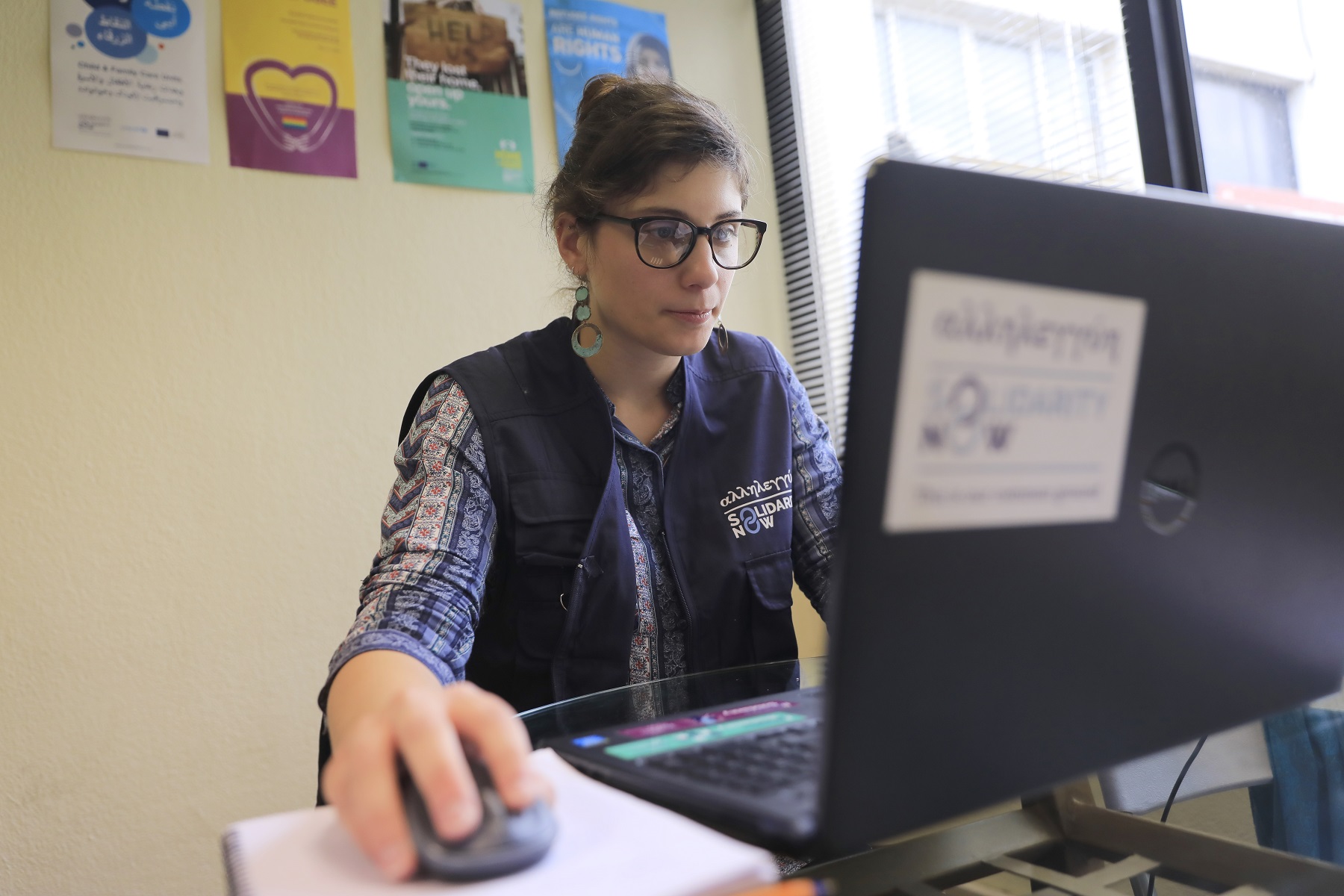
In line with SolidarityNow’s overall aim to support the integration and empowerment of refugees and migrants, despite the country’s economic instability and weak labor market, the Employability & Work Counseling Service at SolidarityNow’s Blue Refugee Center* in Thessaloniki succeeded in connecting migrant groups to the Greek labor market. Specifically, in the three years of the Service’s operation, 223 people have found work based on their skills, knowledge, experience and aspirations. Furthermore, 37 companies that collaborated with the organization, hired people who have been among the Employability Service’s beneficiaries.

“SolidarityNow’s Employability Service was designed based on the needs of people visiting our Centers. Our aim is to highlight and strengthen the different skills, as well as the cognitive and cultural background of our beneficiaries, so that they can respond to their new life”, notes Ioanna Fourkiotou, Director of SolidarityNow’s activities in Northern Greece and continues: “Most important of all is that this effort has been embraced by many companies and employers who have shown social sensitivity and hired these people, giving them a second chance in life”.

SolidarityNow wants to thank the companies and employers who have turned their social responsibility into practice and have collaborated with the organization’s Employability Service. We believe – and we are working towards this direction – that in the near future we will see even more companies responding and developing synergies as an integral part of their Corporate Social Responsibility and their recruitment policy.

Since 2016, a great alliance has been achieved among different stakeholders. And the heart of this alliance is in the heart of SolidarityNow’s activities in Thessaloniki, the Blue Refugee Center:

  • 839 people have sought professional counseling; of them, 223 have found a job. Specifically:
  • 17 women, and
  • 206 men
  • from 29 different countries

found work, mainly in the sectors of tourism and food service, but also as manual labor workers and interpreters.

  • 37 cooperating companies recruited the Service’s beneficiaries.

All these were made possible through 2812 individual counseling sessions,

28 group training sessions and 3 thematic workshops.

“But above all”, as the Center’s employability team underlines “our beneficiaries believed in themselves and in their strength and started seeing life more optimistically”.

The inclusion of refugees and migrants in the Greek labor market and more broadly in the Greek society is a process with many difficulties -legal and bureaucratic- and therefore time-consuming. Furthermore, their lack of knowledge of the Greek language and the cultural differences coupled with high unemployment and discrimination are considerable barriers to entry to the labor market. However, these barriers are not insurmountable. SolidarityNow, through its Solidarity Centers and all its programs in Athens, Thessaloniki and Ioannina, as well as its specialized staff, strives to find a solution to all these difficulties and create the conditions for equal access and equal opportunities at work for Everyone.

*The Blue Refugee Center is supported by UNHCR GREECE and funded by EU.
Develop Your Digital Skills!


SolidarityNow: Free online courses that respond to the modern labor market,

for everyone

Athens, May 31st, 2019

If you are fluent in English, you are willing to learn in a pleasant and creative way and wish to set your own schedule, visit the SolidarityNow website using the following link https://www.solidaritynow.org/digital_skills/, and find out about the organization’s new educational initiative addressed to everyone.

This initiative is part of SolidarityNow’s partnership with Cisco, the largest international networking company, and the Hellenic American Union, which provides an opportunity for training on 7 different thematic sections relating to the digital world and media. SolidarityNow is a certified CISCO Networking Academy.

The seminars are provided in the form of online courses so that everyone can form their own schedule, even the place and time where the classes are done.  

The courses are provided free of charge by SolidarityNow with two basic prerequisites:

  • the attendance should be completed between June 1st and August 31st; and
  • all participants should be fluent in English, the working language of the online courses

7 self-enroll online courses building digital skills:

  • Get Connected Skills – Digital Literacy: Learn how to use a computer, connect devices and access search, email and social media.
  • Entrepreneurship Course: Develop an entrepreneurial way of thinking to improve your job opportunities and advance your career.
  • Intro to cybersecurity: Learn how to protect yourself online and in social media while discovering careers in cybersecurity.
  • Cybersecurity Essentials: Learn the fundamental principles, procedures, and practices of information and networking security.
  • Intro to Internet of Things (IoT): Learn how the Internet of Things (IoT) and the digital transformation of business create new value and new job opportunities.
  • Linux Unhatched: Establish basic knowledge that starts to build Linux expertise, a valuable skill needed for in-demand IT careers.
  • Be Your Own Boss: A series of 8 modules on how to run a successful technology business and become a “technopreneur” [for enrollments, send an email at cisco@solidaritynow.org, (subject: BYB101-S19)]

“These online seminars are another SolidarityNow educational initiative that responds to the modern labor market and its demands. It is addressed to everyone, experts or not, and it concerns both broader as well as specific topics, useful to each participant according to his/her needs”, notes Irene Spanopoulou, IT expert and the program’s coordinator and continues: “SolidarityNow brings education closer to everyone, with the aim of developing skills and enhancing the professional profile of anyone who wants to follow simple steps”.

Those interested can follow the below mentioned steps:

  • Enroll in the course of your interest: https://www.solidaritynow.org/digital_skills/
  • Complete the course at your own pace, anytime anyplace (completion by: 31/8/2019)
  • Connect with the global Cisco Networking Academy community of digital entrepreneurs
  • Add your new certificate to your resume
  • Join a large community of people who are active in lifelong learning.

Busting 10+1 Myths: The new SolidarityNow video that informs and raises awareness aiming to defend LGBT refugees’ rights


Busting 10+1 Myths

Raising questions – Giving answers – Busting Myths

The new SolidarityNow video that informs and raises awareness aiming to defend

LGBT refugees’ rights

Myth 1: Can you tell that someone is gay just by looking?

Myth 2: Does an LGBT person feel free in Greece?

Myth 3: Why do some LGBT people flee their home country?

One minute and seven seconds are enough to bust the 10 + 1 myths that surround the members of the LGBT community, refugees and non-refugees. Providing answers to the above questions, SolidarityNow, through the Bridging Rainbow program, seeks to break down myths against fundamental human rights and build a bridge towards respect.

“Bridging Rainbow”

 The project “Bridging Rainbow” aims to raise awareness about the vulnerable social group of LGBT refugees by increasing the knowledge and understanding of all relevant stakeholders.

It also intends via targeted awareness actions to strengthen the collaboration among all stakeholders supporting the LGBT refugee community and act as an accelerator of social change facilitating this way the pathway towards the refugees’ and asylum seekers’ social inclusion and integration. To achieve this goal, busting myths and stereotypes about the LGBT community but also regarding refugees and asylum seekers is an extremely important step.

The Importance of Raising Awareness

Raising awareness and sharing information about issues that concern LGBT people is vital for ameliorating the quality of services available for LGBT refugees and asylum seekers for their identities to be accepted, understood and respected by all relevant stakeholders. LGBT refugees often face ignorance and insensitivity both in their own cultural communities and in the humanitarian sector.

At the same time, the Greek LGBT community isn’t always open to racial, ethnic and religious difference, which is another aspect of the intersecting identities of LGBT refugees and asylum seekers that must be respected. It is equally important to ensure that organizations about LGBT rights are well informed in legal and other practical issues, as well as in matters of intersectionality, inclusion and cultural diversity.

In order to respond to the above, the Bridging Rainbow program includes:

  • Sensitization trainings and information sessions regarding the legal framework and the asylum procedure.
  • Workshops to support the access and integration of refugees and asylum seekers to the labor market.
  • Capacity-building of stakeholders that serve this group.
  • Relevant informational and awareness raising events.

Did you know that

80 countries worldwide criminalize same-sex relations?

While most refugee populations flee their home countries due to conflict, political instability and natural disasters, LGBT refugees flee their homes simply due to their sexual orientation and gender identity for which they face persecution, discrimination and violations of their basic human rights.

Nearly 80 countries worldwide criminalize same-sex relations, while specific laws limiting the rights of the LGBT community may not exist in some countries, and governments often fail to adequately protect this group’s fundamental human rights in the face of abuses and violations. LGBT refugees and asylum seekers face numerous challenges throughout their displacement, including prejudice, unjust detention, sexual and gender-based violence, inhibited access to humanitarian services, and barriers to articulating protection needs during the asylum process.

*Τhe project is implemented by SolidarityNow and supported by the Municipality of Barcelona and the foundation ACSAR.

Research on the conditions of migrant and youth entrepreneurship in Greece


As part of the program MYSITE (Migrant and Youth Social Inclusion through Entrepreneurship), SolidarityNow examined the conditions of migrant and youth entrepreneurship in Greece, through desk research and interviews with experts, young Greek entrepreneurs and young migrant entrepreneurs. The resulting national report includes information regarding the Greek national context, the legal, policy and institutional framework, opportunities and facilitation measures for entrepreneurship, challenges and barriers for entrepreneurs as well as recommendations towards creating a better, more entrepreneurship-friendly environment for migrants and youth in Greece.

You may read the full national report here

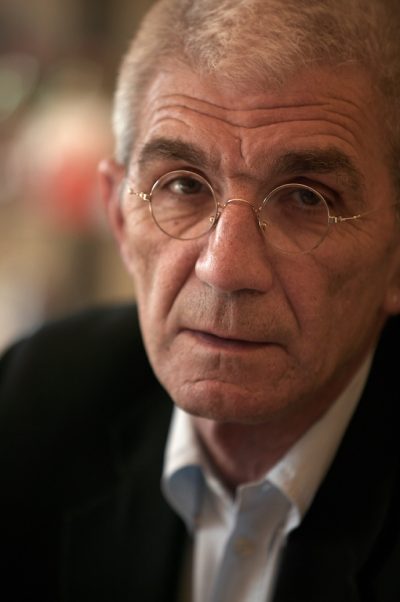
Yiannis Boutaris, new Member of SolidarityNow’s Board of Directors


Τhe members of SolidarityNow’s Board of Directors unanimously selected Yiannis Boutaris as the new member of the organization’s Board to honor his outstanding and important work and contribution to the Local Government and the strengthening of civil society.

“It is with great joy and excitement we welcome  Yiannis Boutaris, to SolidarityNow’s Board of Directors, a great man, a pillar of civil society”, states SolidarityNow’s Chairman, Stelios Zavvos. Yiannis Boutaris, in his years of office, expanded and strengthened the local government in Thessaloniki while helping the city make an opening to its multicultural heritage in a way that included its citizens and made them reembrace their multinational roots. And as he states, ‘we opened Thessaloniki to the world. We planted the seed of openness’. “And there is no doubt that Yiannis Boutaris is a man who dares to fight for his ideas”, Mr. Zavvos pointed out.

His initiatives have been of great contribution to both the humanitarian field, notably the refugee crisis, but also towards the protection of the environment. SolidarityNow as a whole is very proud that Yiannis Boutaris will contribute to the organization’s mission with his experience and innovative social proposals for an open society.

“I was aware of SolidarityNow’s outstanding work long before my election as Mayor. In my years of office, I have had the opportunity to work with the organization, with which we organized activities for the benefit of the municipality and its citizens. It is an honor for me to join the Board of Directors, a post from which I will continue to offer to the community after my term as Mayor of Thessaloniki”, states Yiannis Boutaris.

——————-

Yiannis Boutaris is a businessman, politician, Chemist graduate of the Aristotle University of Thessaloniki while also being a successful Oenologist. Since 2011 he is the Mayor of Thessaloniki. His term of office in the Municipality of Thessaloniki has been described as “a positive policy, reforming and refreshing mindset”. During his term of office, important was his contribution to reducing financial costs, rationalizing public services and fighting corruption in the city of Thessaloniki.

The Board of Directors of SolidarityNow consists of:

Stelios Zavvos – Chairman

Alivizatos Nikos – Honorary Professor of Constitutional Law/University of Athens

Vidalis Euthimios -Businessman,

Diamandouros Nikiforos – Honorary Professor of Political Science/University of Athens

Doxiadis Aristos – Partner/Venture Capital Investor

Kavounidi Jenny – Senior Research Fellow, Center of Planning and Economic Research, Visiting Associate Professor/Athens University of Economics and Business

Matsagganis Manos – Associate Professor in the Department of International and European Economic Studies/Athens University of Economics and Business

Nomikou Kalipso – Businesswoman

Christos Rozakis – Professor of International Public Law/University of Athens, Vice President of the European Court of Human Rights

Triantafyllidou Anna – Professor/European University Institute, Florence, Italy.

“Migrant & Youth Social Inclusion Through Entrepreneurship” – My Site Program


5 organizations from 5 European countries Collaborate to Promote

Migrant & Youth Social Inclusion Through Entrepreneurship

Under the framework of the program: MY SITE

SolidarityNow is the organization in Greece partnering with five organizations from five EU countries to promote youth and migrant entrepreneurship and to highlight its significance as a means to social inclusion.

The project entitled “Migrant and Youth Social Inclusion through Entrepreneurship-MY SITE” aims to promote entrepreneurship as a means towards social inclusion and integration. Beneficiaries of the project will include youth residing in the countries of focus, irrespective of their background, who wish to start their own business as entrepreneurs -Greeks and migrants and/or refugees.

In the context of MY SITE’s actions, SolidarityNow undertakes the training of 20 young people – Greeks and migrants – who will have the opportunity in an intensive targeted training program to acquire basic knowledge of entrepreneurship as well as to get individual counseling by experienced entrepreneurs.

The training program begins on April 15th and will last until May 27th, 2019 and will cover various topics, such as:

  • Finding your niche
  • Business plan development
  • Financial management and accounting principles
  • Communications and marketing
  • Funding opportunities

To complement the entrepreneurship training and assist young individuals in successfully developing their business plans and uncovering potential opportunities, while adequately preparing for the risks lying ahead, the project incorporates the idea of mentoring scheme. Candidates will be paired with a mentor, according to their business idea, to support and guide them throughout the training cycle and provide their expert advice on the topics at hand.

———————————————-

The project is funded by EC’s Erasmus+ program and will be implemented in five EU countries over a period of 18 months by the following partners:

SolidarityNow | Greece

Asociacion Socio Educativa Llere | Spain

S.F.Or. Centro Studi Formazione Orientamento | Italy

Aequitas | Cyprus

The People for Change Foundation | Malta

MY SITE includes the following activities:

Conduct research on the landscape and policies for youth and migrant entrepreneurship, as well as the resources made available to young entrepreneurs in each participating country

And aims to:

  • Promote youth entrepreneurship as a means to become self-sustained and financially independent
  • Promote the social inclusion of TCN (third country nationals) as well as the re-integration of youth in the labor market, in five EU countries.

The Child and Family Support Hubs have provided support to more than 14,500 adult and child refugees

Giorgos Moutafis for SolidarityNow

During the three years, (August 2016-February 2019), of the Child and Family Support Hubs’ operation by SolidarityNow in refugee camps of mainland Greece, more than 14,500 people, adults, and especially women and children, have been supported to regain their lives but also to be empowered for their next big step: their inclusion in our society.

SolidarityNow, with the support of UNICEF, brought to completion the 2nd phase (November 2017-February 2019) of the innovative Child and Family Support Hubs program (CFSH). “The program has adapted many times to the changing needs of the refugee crisis in Greece. Hence, non-formal education was included as one of the main pillars of the program, alongside child protection and the prevention and treatment of gender violence”, underlines Christiana Kyrkou, SolidarityNow program’s Coordinator.

Focusing on the refugees’ social integration and on strengthening their autonomy, the Child and Family Support Hubs were operational in more than 20 different sites in Attica, Epirus, Central and Northern Greece, with their specialized field teams.

 The CFSH program’s achievements:

  • 7,363 the total number of beneficiaries: 3,829 children and 3,534 adults
  • 2,774 children benefited from the Child Friendly Spaces
  • 2,221 refugees and children received psychosocial support
  • 2,133 women and girls had access to the Female Friendly Spaces
  • 724 children under the age of 2, accompanied by their mothers, had access to the neonatal and postnatal counseling facilities-Mother Baby Corner.

A further great achievement is that during the program’s implementation children and families of high vulnerability were identified and referred to specialized services in order to receive the necessary support:

  • 332 unaccompanied children and 106 people with disabilities were referred to receive additional support
  • 286 children, male and female victims of gender violence were identified and received specialized support and care
  • 3,017 adults and children in total received legal support
  • 3,229 referrals of people with health problems (physical injuries, illness) to health services
  • 270 referrals of people with mental health problems to competent services
  • 904 children were referred to formal or non-formal educational services.

Two-way education!

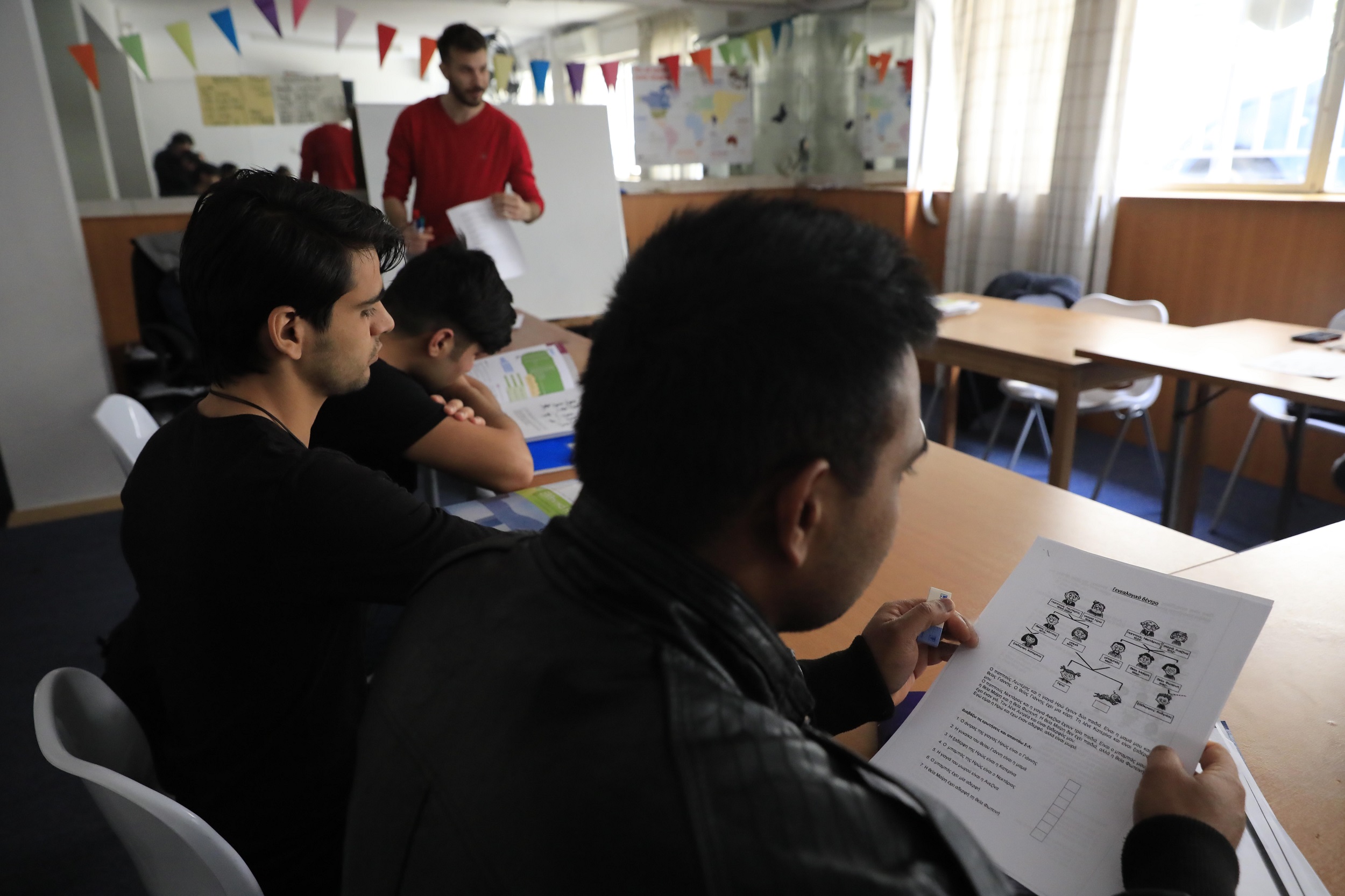
The identification and referral of vulnerable beneficiaries were facilitated by the daily contact of teachers with their students. In total:

  • 3,562 children and adults attended courses and received school support
  • 34 teachers were specialized in the education of refugees and migrants.

“Is there a difference among children growing up in peacetime and children who have experienced displacement? Yes, there is. However, this difference can be soothed with the right support as time goes by. This way childhood is proven to be strong enough to prevail over a dreadful experience. For example, the children’s drawings show us that a more beautiful world is feasible“, says Sofia Tzelepi, one of the program’s lawyers.

The 2019 target: Child Protection and Education in 13 sites across the country

 SolidarityNow, with support from UNICEF, IOM (International Organization for Migration) and funding by the European Union, continues the program’s implementation in 2019 by scaling up to present in 13 locations, providing holistic child protection and non-formal education services through the Hubs. “With the dynamic presence of our teams in 13 sites, we aim to support the interconnection of the local community with the local camp, strengthen the refugees’ openness and build on the local organizations’ capabilities so that they also take an active role since the great challenge now is the inclusion to local communities”, underlines Marietta Provopoulou, Deputy General Manager.

*The program is implemented with the support of UNICEF – until 2018 it was funded by the European Civil Protection & Humanitarian Aid Operations (ECHO). Since March 2019, the program is funded by the European Union with the support of UNICEF and IOM.


PRESS STATEMENT


Antigone Lyberaki is taking a leave of absence from her position as General Manager of SolidarityNow

Athens, April 10, 2019

Following the current developments in the political scenery, Antigone Lyberaki, is taking a leave of absence from her position as General Manager of SolidarityNow, as she will be assuming the seat of a resigned member of the Greek Parliament.
“I am temporarily pausing my engagement as General Manager of SolidarityNow at a very critical moment for the refugee crisis. From my seat in the Parliament, I will not forget the perspective of the most vulnerable people -whether they are refugees, youth seeking employment, or women struggling to cope with their multiple roles”, Antigone Lyberaki notes and continues: “SolidarityNow will seamlessly continue its work on the basis of the priorities we have set: to be on the side of the most vulnerable with innovative social programs”.
We wholeheartedly wish Antigone every success in her new parliamentary duties, and after their completion, we look forward to welcoming her back to SolidarityNow in order to continue the dynamic and valuable work she has undertaken in the organization.
————————————–
Antigone Lyberaki has been General Manager of SolidarityNow since October 2017. She is also a Professor of Economics at Panteion University with a PhD in Small and Medium Enterprises and an M. Phil in Development Studies from Sussex University. She was a Member of the Greek Parliament in 2015.

Her current research interests are small and medium enterprises, migration, ageing societies and gender/feminist economics. She is the Greek country team leader for the Survey of Health, Ageing and Retirement in Europe (SHARE), while for years she was an activist and member of the ActionAid Hellas Board of Directors, with a special interest in Africa.

A lost generation with missing children and no childhood?


Antigone Liberaki, General Manager, SolidarityNow

Lost generation?

From 2016 onwards, the global civil society raised the issue of schooling of refugee children.[1] With half of the world’s 19 million refugees being children, and most of them being denied access to education, the timing seemed right, if not already delayed. Most states followed this lead and Greece has indeed gone a long way since then. We can now talk about 65% school enrolment and counting, with the weakest percentages still found at the secondary school level, where there is much room for improvement.[2] Given the already overstretched national education system, due to the austerity crisis, it is inspiring how much has been done during the last two years to cover this unacceptable gap, which unfortunately has created one ‘lost generation’. But no more.

As SolidarityNow, we are aware that the usually short-term funding cycles of NGOs cannot be the sole source that will see children through their entire schooling years. This is an admission of paramount importance, which has shaped our approach on refugee education. As a first step, we had to work on dismissing the fear of governments and, surprisingly, of refugees alike. School enrolment makes the living conditions seem more permanent; an undesired feeling both for the local society and the population on the move, who often sees Greece as a transit country. Nevertheless, political and ideological debates can wait, while education cannot. After circumventing this first barrier, through advocacy, the next challenge was to avoid creating a parallel system, but simply to find ways to strengthen the public one with targeted interventions. Providing non-formal education services in 8 different locations across the mainland, we managed to reach 4.100 students from 36 different nationalities, in one and a half year, keeping a fair gender balance[3]. Paving the way for school enrolment prerequisites has also been a big part of our daily work; advocating for timely appointment of extra teachers, surpassing local xenophobic reactions, covering schools’ needs on additional supplies, securing vaccines, linking parents to school through interpretation and keeping them involved – reinforcing their parenting role – are only a few such examples.

I had to choose among many, due to time restraints, yet at least one pilot[4] education intervention of SolidarityNow is worth a separate mention. We chose to focus on math and not only language courses, providing a continuity in the learning process, linking pre-existing knowledge the children bring with them from their home-country to the learning experience in the host one. Contrary to language classes, where everything is new, children feel more confident with math, as the language is common, a fact which we reinforced with the publication of a dictionary of mathematical terms in 6 languages.[5]

It is important to no longer have to speak about a lost generation. At SolidarityNow, we strongly believe that NO child should be out of school for more than one month, even in displacement living conditions. The education gap can and is being bridged, but there are no grounds for complacency. In this spirit, we are happy to announce that in 2019 our non-formal education services are extended to cover 15 different locations throughout Greece, from the initial 8 ones.

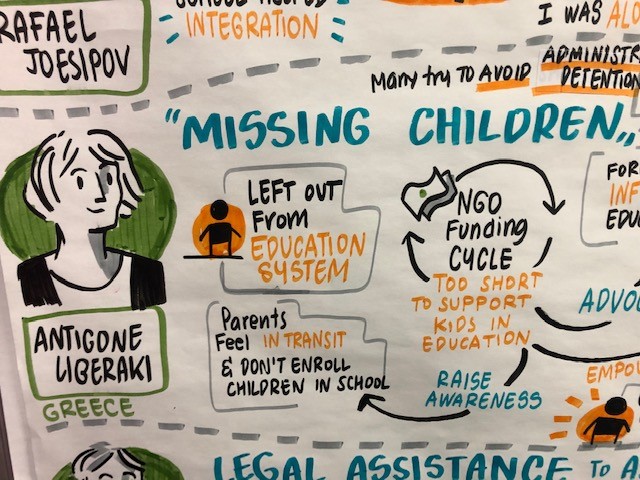
Missing Children…

Taking another look at child rights milestones in 2016, a few months prior to the ‘lost generation’ debate, Europol talked about 10.000 missing children in European territory and EU was silenced by the shock.[6] Yet, it should not have been an unforeseeable development. Where legal options are absent and official pathways are inhumane, illegal networks are bound to flourish. Smuggling and trafficking networks put us all to shame, while it is not up to the civil society to address independently theses issues. On our part, as SolidarityNow, we are proud to have joined the larger network of Blue Dots – a term coined by UNICEF, UNHCR and Red Cross to represent Child and Family Support Hubs established throughout the Balkan migration route. The cross-border link between these safe spaces has helped reduce this inconceivable number. We are proud to have supported more than 700 unaccompanied minors, having lost track of only 1! Maybe one too many. We had to be very creative to counter-fight the attractiveness of illegal networks in the eyes of teenagers. Alternative tools to keep contact with children have been mostly social media, while videos presenting the legal pathways have been proven effective communication tools.

Nevertheless, standing here in celebration of the 30th anniversary of the adoption of the United Nations Convention on the Rights of the Child, I feel ashamed of the recent convictions of Greece[7] and France[8] by the European Court of Human Rights[9] for violations of children rights. Especially, in H.A. v Greece, it was the cornerstone of the Convention, the principle of the best interest of the child that was breached (art. 3). The messages of the Court are loud and clear with a judicial order – just a few days ago added to the list –  addressed to the Greek authorities, in order to put an end to the administrative detention of two unaccompanied girls.[10] However, are we listening? Are the states and the relevant stakeholders ready to make the necessary changes, which would guarantee adherence to the legal framework that we created? The obstacles are known, while the legal basis to overcome them is already there. More precisely, the de facto situation is considerably different than the legal guarantees. First, the detection of minors is impeded, among others, due to fear of administrative detention in inhumane conditions.[11] This leads to the lack of access to accurate information about legal options, as many minors are being briefed on their rights as adults.[12] Furthermore, even if an unaccompanied minor is identified and chooses the legal safeguard of family reunification, which he/she is entitled to, the waiting period by far exceeds the 6-month limit set by the Dublin Regulation. The lengthy procedures are among the top reasons of the high absconding rate from shelters, thus increasing the number of missing children. All these factors can and should be corrected.

Lost childhood?

Education and protection are obviously in the forefront. However, in my opinion, our forum would be moot if the debate would not at least glance towards the overarching issue, which is none other than childhood, when it comes to children. But how about refugee children? The civil society and donors often speak about a smooth transition to adulthood and are preoccupied with shaping children into active citizens. At some point, during a visit in one of the many refugee camps in Greece, I found myself wondering how we can talk about a smooth transition to adulthood, when there is nothing to transition from. The proactive, yet premature, focus on a future adulthood, has sidelined the present childhood. The causes of this anomaly are multiple and complex to convey. The poor psychological condition of most refugee parents, the overwhelmingly poor living conditions they find themselves in, the cumulative traumas that surface when safety is reached, the lack of options within isolated camps vis-à-vis the need of children to be kept busy and many more abnormal conditions have deprived children of their childhood; right here, right now, not in the days to come, not in the days of their adulthood. Roles have become blurred and parenthood is under crisis, while childhood is under extinction in refugee camps.

We see so commonly, to the point of acceptance, young girls as young as 10 taking up household chores and caring for younger siblings, instead of playing with them. Working always with a bottom-up approach, it shocked me to hear that it took one of our field teams two months of weekly meetings with teenage girls to identify one interest of their own, not linked to household. Just one! The first requests were knitting, infant care for their siblings etc. We settled at pencil drawing! This is a quote of the daily routine of a 14-year old girl! Not to mention the ‘violent’, yet common, practice of using children as interpreters, as they pick up the language faster. There is nothing natural or child-like about a 13-year old boy interpreting his mother’s words about how she was raped before managing to flee.

Education reduces the risk of stigma, isolation, intra-community tensions, marginalisation and radicalisation; while, adherence to the core child rights should be a given. Yet, these two elements are not enough on their own. In fear of a dark adulthood, we failed to notice that the childhood has been stripped off its colors, as well. Being a child should be the end goal.

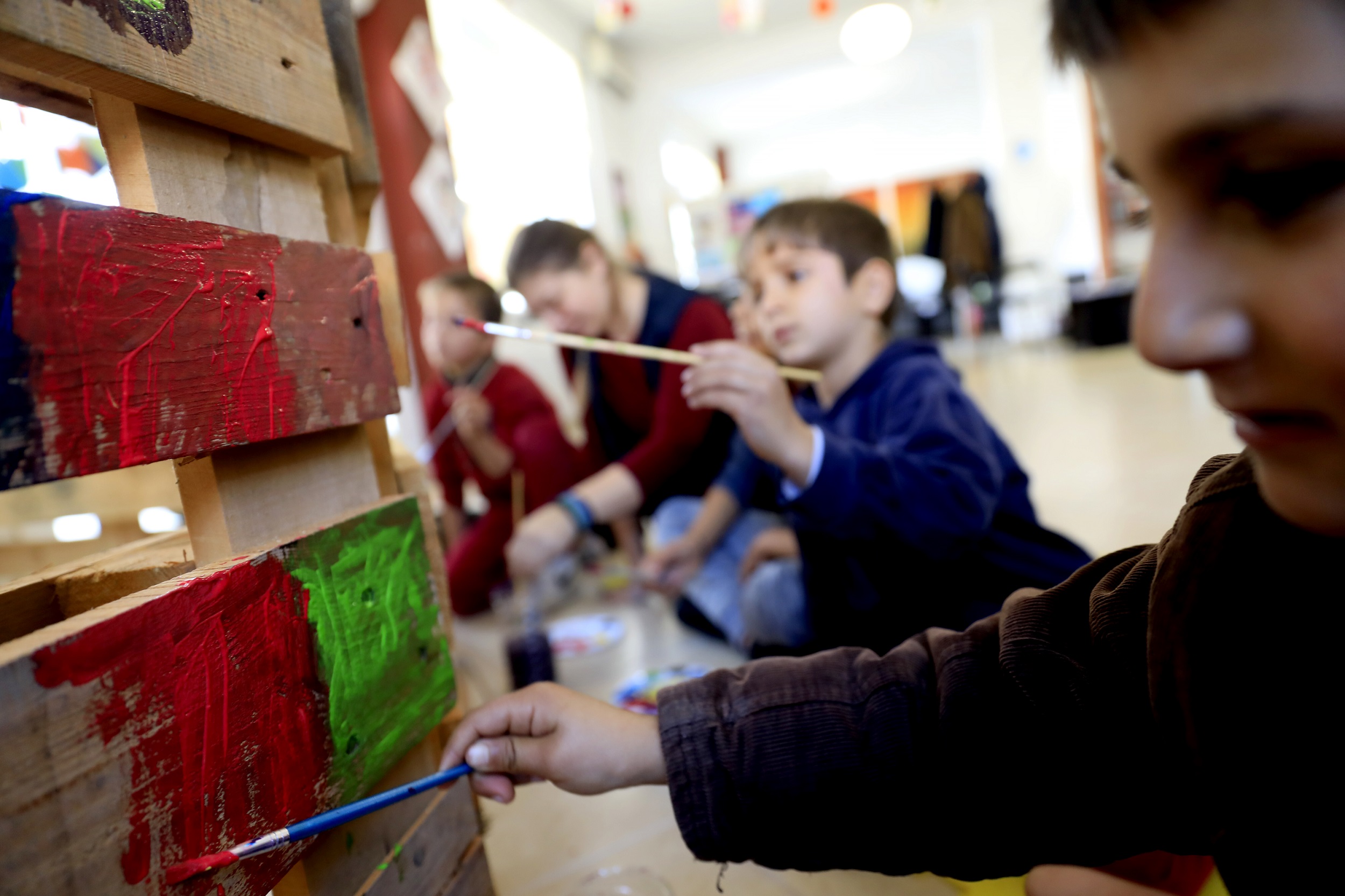
In SolidarityNow, we believe in our everyday heroes and we like color! We create colorful child-friendly spaces and we fill them up with colorful smiles through hours of playtime! Because the right to play is no less important for the well-being of a child (art 31 of the convention on the rights of the child)[13] than the rest of the children rights.

We believe, with constant effort, we can do it! Not just for the children, but with them!


[1] It was first raised in an organised manner at the World Humanitarian Summit held in Turkey in May 2016, resulting in the creation of the “Education Cannot Wait” fund, the first global fund to prioritise education in humanitarian action.

[2] 80% enrolment in primary school and 50% in the secondary level. The lowest percentages are of course encountered in the islands.

[3] 50-50 in primary school, 70-30 in secondary education.

[4] Other interventions to choose from are the following:

– An element that is lost for children on the move, as they struggle to integrate, is schooling in their mother tongue, which leads to losing an important bond with their parents and their community. We offer mother tongue classes in Arabic and Farsi, in order to maintain this connection, but also because having strong reading, writing and expression skills in one’s own language aids a child’s cognitive development, builds on critical thinking skills, and improves children’s intuition in the overall learning process.

– Making sure to match what is learned in the classroom with real-world skills, we periodically launch different life skills seminars. These have included professional interpretation seminars, computer literacy lessons (aiming for the ECDL certification), and nail art courses! We are continuously exploring options to expand the wide variety of talents of children.

[5] Usually non-formal education projects in this context focus on language classes. SN chose to highlight math and science skills, validating the pre-existing knowledge the children carry with them from their home-country. This continuity of learning was achieved, among other things, by the publication of a mathematical dictionary in 6 languages (Greek, English, Arabic, Urdu, Farsi, Turkish). This slight shift in focus increased children’s self-esteem and devotion to school considerably.

[6] The statement is attributed to Brian Donald, Chief of Staff at Europol, in January 2016.

[7] H.A. and others v Greece, https://www.asylumlawdatabase.eu/en/content/ecthr-ha-and-others-v-greece-greece-violated-convention-placing-unaccompanied-minors

[8] Khan v France, https://www.asylumlawdatabase.eu/en/content/ecthr-khan-v-france-france%E2%80%99s-failure-protect-unaccompanied-minor-breached-article-3

[9] Another even more recent case has been the O.S.A. and others v. Greece, where the ECHR found a violation of Article 5 – Right to liberty and security and Article 3 – Prohibition of torture, as Greek authorities failed to offer asylum seekers the essential, namely legal protection and documents translated in a language they could understand. I am not including it because it is not related to children.

[10] https://www.efsyn.gr/ellada/koinonia/188715_dikastiko-stop-stin-praktiki-tis-prostateytikis-fylaxis?fbclid=IwAR0INZGg–2WhTKwUlpKJJ4Ajdu3WvSWv-e7PqxOvceYiJFUKhJga7c_sC8

[11] Upon registration, the limited capacity of the First Reception Service, the non-cooperation of the minors due to the fear of detention and the disuse of the medical age assessment methods, might result in many unaccompanied minors being undetected by authorities and hence deprived of their right to family reunification.

[12] There is no channel of information on family reunification, while the Prosecutor cannot play an active role in the decision-making process. Additionally, there is no family tracing mechanism. As a result, a lot of minors cross Greece without considering family reunification as an option.

[13] 1. States Parties recognize the right of the child to rest and leisure, to engage in play and recreational activities appropriate to the age of the child and to participate freely in cultural life and the arts.

  1. States Parties shall respect and promote the right of the child to participate fully in cultural and artistic life and shall encourage the provision of appropriate and equal opportunities for cultural, artistic, recreational and leisure activity.