Joint statement by 19 organisations active on refugee issues in Greece on the Ministry denial to register the non-profit civil society organisation “Refugee Support Aegean” (RSA) on its NGO Registry


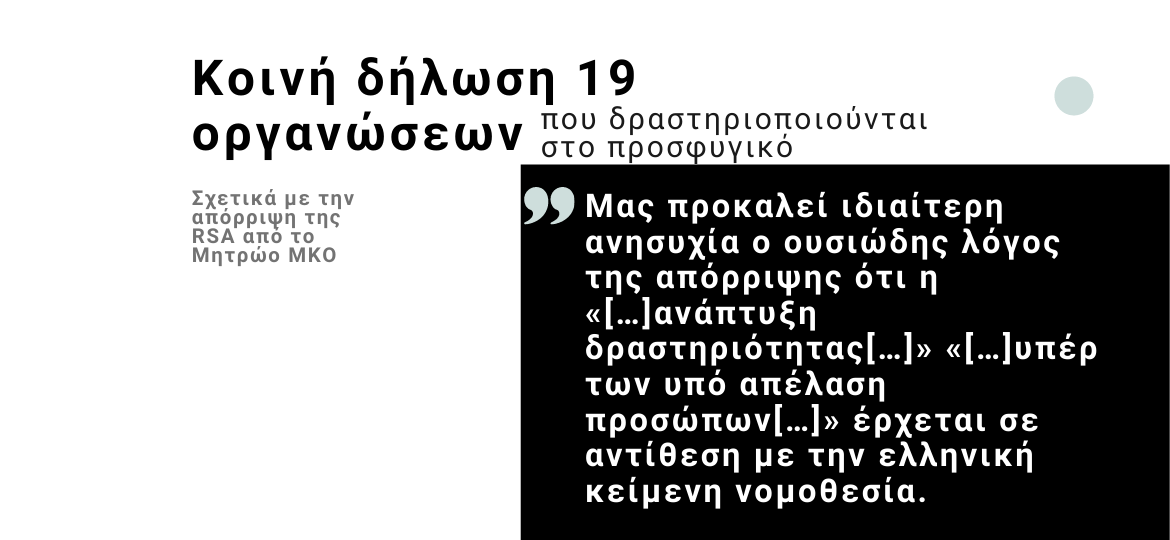
The undersigned non-governmental organisations were surprised to be informed that the Ministry of Migration and Asylum denied the registration of non-profit civil society organisation “Refugee Support Aegean” (RSA) on its NGO Registry, despite a positive opinion from competent services. We are particularly concerned by the substantive ground for such rejection, citing that the “development of activity” “in support of persons under deportation” is contrary to Greek legislation.

 The provision of mainly legal support to persons facing deportation is part of the daily work of civil society organisations active inter alia in free legal assistance, including several organisations already registered on the NGO Registry. We all consider persons under deportation who are in need of protection in the wider sense as persons of concern, in particular in light of international law provisions prohibiting deportation of foreigners such as Articles 31 and 33 of the Refugee Convention, Article 3 of the European Convention on Human Rights, Article 7 of the International Covenant on Civil and Political Rights and Article 3 of the Convention Against Torture, as well as other provisions mandating assistance to vulnerable cases on humanitarian grounds. Even rejected asylum seekers are persons to whom we are required to provide assistance under EU and domestic legislation, namely Articles 28(3)-(4) and 31(4)-(5) of Law 3907/2011 and the provisions of Directive 2008/115/EC. Activities in support of persons facing deportation are fully in line with applicable legislation, as they ensure the safeguards and rights of persons at risk of deportation and return.

The Ministry of Migration and Asylum rejection decision sets a major negative precedent calling into question our own activity. We also believe that it causes reputational damage to Greece for poor implementation of refugee law, as well as international, EU and domestic law more broadly. For those reasons, we express our concern and expect the administration to take the necessary steps to correct the aforementioned decision in line with the law.

The signatory organisations:

  1. CRWI Diotima
  2. Danish Refugee Council
  3. Equal Rights Beyond Borders
  4. Fenix – Humanitarian Legal Aid
  5. Greek Council for Refugees (GCR)
  6. Hellenic League for Human Rights
  7. HIAS Greece
  8. HIGGS |Higher Incubator Giving Growth & Sustainability
  9. HumanRights360
  10. International Rescue Committee
  11. Legal Centre Lesvos
  12. Lesvos Solidarity
  13. Médecins Sans Frontières Greece
  14. Network for Children’s Rights
  15. Refugee Legal Support
  16. Refugee Support Aegean (RSA)
  17. SolidarityNow
  18. Symbiosis – School of Political Studies, Council of Europe Network
  19. Terre des hommes Hellas

Joint Press Release: The letter of 36 NGOs to Pope Francis about refugees’ condition in Greece

Copyright Giorgos Moutafis for SolidarityNow

36 civil society organizations have sent a letter to Pope Francis regarding the refugee situation in view of his upcoming visit to Greece.

In a letter released at an online press conference on Thursday, December 2, the NGOs asked, among other things, to meet with the leader of the Roman Catholic Church and inform him about the living conditions of refugees in Greece, as well as the need to support refugees quest for access to asylum with a message of solidarity towards our persecuted fellow humans.

Signatories:

  1. A Drop in the Ocean
  2. Actionaid Hellas
  3. ARSIS – Association for the Social Support of Youth
  4. Βabel Day Center
  5. Caritas Hellas
  6. Centre Diotima
  7. Changemakers Lab
  8. Community Pope John XXIII
  9. Danish Refugee Council (DRC)
  10. ECHO100PLUS
  11. ELIX
  12. Equal Rights Beyond Borders
  13. Europe Must Act
  14. Fenix – Humanitarian Legal Aid
  15. Greek Council for Refugees (GCR)
  16. Greek Forum of Migrants
  17. Greek Forum of Refugees
  18. Hellenic League for Human Rights
  19. HIAS Greece
  20. Humanrights360
  21. INTERSOS
  22. INTERSOS Hellas
  23. Irida Women’s Center
  24. Jesuit Refugee Service Greece (JRS Greece)
  25. Lesvos Solidarity
  26. Médecins du Monde – Greece
  27. Network for Children’s Rights
  28. Mobile Info Team (MIT)
  29. Odyssea
  30. Refugee Legal Support
  31. Refugee Support Aegean (RSA)
  32. Samos Advocacy Collective
  33. Samos Volunteers
  34. SolidarityNow
  35. Still I Rise
  36. Symbiosis-School of Political Studies in Greece, Council of Europe

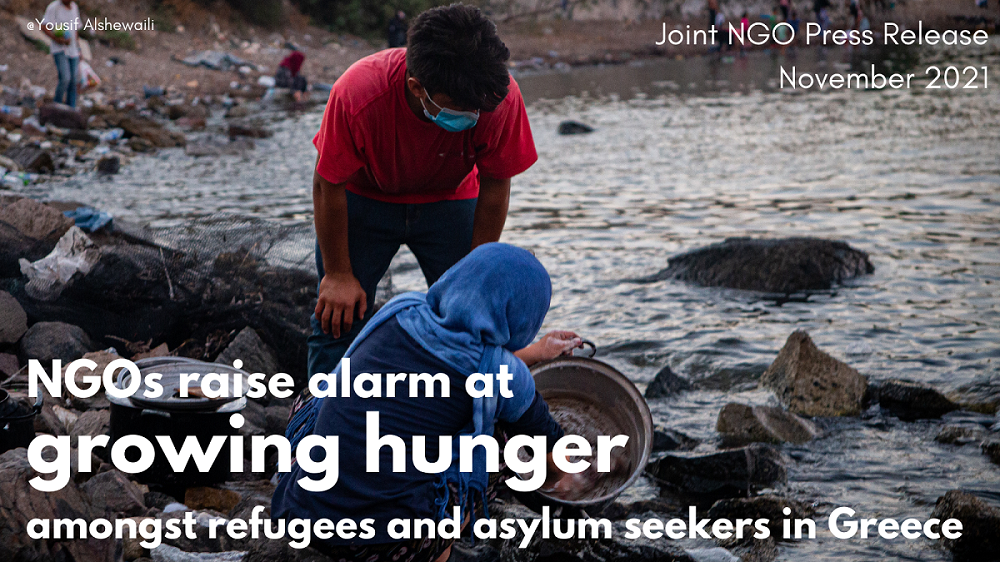
NGOs raise alarm at growing hunger amongst refugees and asylum seekers in Greece


A halt to cash assistance for asylum seekers, and the denial of food support to recognised refugees and rejected asylum seekers is creating a hunger crisis in Greece, 27 NGOs and civil society organisations warn today.

For nearly two months, up to 60 per cent of current residents of the Greek refugee camps on the mainland have not had access to sufficient food. Following the implementation in October 2021 of a law passed last year, the Greek Government stopped providing services to those whose asylum applications have been accepted. One in four residents in these facilities are women and two in five are children.

“The women in Eleonas camp keep telling us that their children are crying at night with hunger. Mothers now don’t have money for baby milk so they mush up biscuits in water instead.” said Emily Wilson of Project Elea.

One chronically ill father of three children from Afghanistan, said: “If I don’t eat it’s fine but I can’t leave my babies hungry”.

In addition, approximately 34,000 asylum seekers have gone for two months without cash assistance that had previously enabled them to buy food, clothing and other essential items.

The EU-funded cash assistance programme was previously administered by UNHCR but was interrupted after the Greek Government took over its management on 1 October 2021.

In response to calls by NGOs to urgently address the situation, the government made public assurances that distributions would resume by the end of October. One month later, the problem remains unresolved and its devastating impact on asylum seekers grows by the day.

Martha Roussou of the International Rescue Committee said: “Vulnerable and marginalised people are being pushed over the edge: children have to go to school hungry; sick people can’t get a bus to attend to their medical needs; and families have no resources to prepare for a cold winter.”

The halt to cash assistance is stripping asylum seekers’ of their dignity and depriving them of the lifeline many depended upon. Refugees and asylum seekers, who were already economically marginalised, are resorting to begging and other negative coping mechanisms to survive.

Ana Liz Chiban of Fenix – Humanitarian Legal Aid said: “Among those affected are rejected asylum seekers who cannot access accommodation or healthcare and have no right to work. This includes many Afghan and Syrian refugees whose applications were rejected on the basis that Turkey is a safe country, despite the fact Turkey is not accepting any returns from Greece.”

Some asylum seekers who live outside the camps as beneficiaries of the Emergency Support to Integration and Accommodation (ESTIA) program are particularly vulnerable. They have also been affected by the interruption in cash provision but, unlike people in the camps, do not receive prepared food distributions. Without even this alternative, they have been left completely dependent on local social services and organisations to receive food, where those are available.

Anita Bay, Director of Save the Children Europe, said: “Through both its actions and inaction, the Government of Greece is creating a hunger crisis amongst refugees and asylum seekers in the country. It is unlawful, unnecessary, and totally unacceptable for this to be happening in the EU.”

NGOs are calling for urgent action to address the growing crisis, including for the Government of Greece to:

  • Make the resumption of cash distributions a political priority;
  • Provide emergency assistance such as basic goods or vouchers to use in shops or for transport, to asylum seekers who were previously receiving cash assistance,
  • Ensure cash assistance instalments that were not delivered to asylum seekers in the past months are delivered when the new system is put in place;
  • Distribute adequate and nutritious food to all people residing in camps, regardless of whether they are recognised refugees, asylum seekers or have had their claims rejected.

Background

–     In October 2021, a press release and open letter were published by NGOs and organisations raising  alarm over the disruptions to cash assistance for refugees and asylum seekers in Greece.

–        In response to the press release, the Ministry of Asylum and Migration categorically stated that asylum seekers would have access to “financial assistance provided at the end of October.

–     Under EU and Greek law (Article 17 of the Directive 2013/33/EU and Article 55 of the Law 4636/2019), Greece is responsible for ensuring minimum material reception conditions to asylum seekers.

–  In 2020, the government of Greece enacted new legislation, under which beneficiaries of international protection, with few exceptions, have all material reception support discontinued within 30 days of receiving their positive decision (Article 114 of the Law 4636/2019 amended by Article 111 of the Law 4674/2020). In October 2021, the Greek government started excluding protection status holders from food and water distribution as a means of implementing this legislation. Exclusion from food and water distribution also affects asylum seekers with a final negative decision, despite the fact that many of them have the right to a re-examination of their asylum claim.

Signatory organisations:

  1. Action for Education
  2. Arsis – Association for the Social Support of Youth
  3. Babel Day Center
  4. Better Days
  5. Changemakers Lab
  6. ECHO100PLUS
  7. Equal Rights Beyond Borders
  8. Europe Must Act
  9. Fenix – Humanitarian Legal Aid
  10. Greek Council for Refugees (GCR)
  11. HIAS Greece
  12. HumanRights360
  13. INTERSOS
  14. INTERSOS Hellas
  15. I HAVE RIGHTS
  16. International Rescue Committee
  17. Jesuit Refugee Service Greece ( JRS Greece )
  18. Lighthouse Relief (LHR)
  19. Mobile Info Team (MIT)
  20. Refugee Legal Support
  21. Refugees International
  22. Safe Passage International
  23. Save the Children
  24. Still I Rise
  25. SolidarityNow
  26. Symbiosis-School of Political Studies in Greece, Council of Europe Network
  27. Terre des hommes Hellas

Κοινή Δήλωση 293 Οργανώσεων για το νέο Νομοσχέδιο της Κοινωνίας των Πολιτών


Σε μια από τις μαζικότερες συλλογικές ενέργειες, πάνω από 290 οργανώσεις της Κοινωνίας των Πολιτών (ΟΚοιΠ) ενώνουμε τη φωνή μας, συνυπογράψαμε και αποστείλαμε στον Πρωθυπουργό, την Κυβέρνηση και στο Κοινοβούλιο κοινό υπόμνημα σχετικά με το προς ψήφιση σχέδιο νόμου του Υπουργείου Εσωτερικών «Οργανώσεις Κοινωνίας Πολιτών, εθελοντική απασχόληση και λοιπές διατάξεις», το οποίο φαίνεται να απέχει από το αίτημα των οργανώσεων για ουσιαστική ρύθμιση και ενδυνάμωση του χώρου. Η μαζική πρωτοβουλία των οργανώσεων δημιουργήθηκε με αφορμή τη δημόσια διαβούλευση του εν λόγω νομοσχεδίου, που έληξε 19/11/2021 συγκεντρώνοντας πάνω από 340 σχόλια. Το σχέδιο νόμου προσπαθεί να θέσει ένα νομοθετικό και θεσμικό πλαίσιο και να ρυθμίσει τις σχέσεις Κράτους – Κοινωνίας των Πολιτών (ΚτΠ) αλλά και να διευθετήσει το πεδίο του εθελοντισμού.

Στην Ελλάδα σήμερα υπάρχουν εκατοντάδες, ίσως και χιλιάδες, Οργανώσεις της Κοινωνίας των Πολιτών (ΚτΠ), άτυπες ομάδες και εθελοντικοί φορείς που έχουν στηρίξει και στηρίζουν διαχρονικά τη χώρα σε ορισμένες από τις πιο εμβληματικές ή/και κρίσιμες στιγμές της. Από την επί δεκαετιών ανθρωπιστική βοήθεια και αναπτυξιακή συνεργασία σε χώρες του αναπτυσσόμενου κόσμου έως τις πυρκαγιές στο Μάτι, τις πυρκαγιές του 2021, την οικονομική κρίση του 2010 με τις επακόλουθες κοινωνικές επιπτώσεις, την προσφυγική κρίση, την κλιματική κρίση, τις αδυναμίες του συστήματος υγείας, την παροχή ειδών πρώτης ανάγκης στους ευπαθέστερους των συμπολιτών μας και σε τόσα άλλα γεγονότα, η Κοινωνία των Πολιτών είναι πάντα και πρωτίστως παρούσα. Η αναγνώριση του μεγέθους της κοινωνικής προσφοράς και η υπεραξία του κοινωνικού αντικτύπου όλων αυτών των πρωτοβουλιών και οργανώσεων, πρέπει να αποτελεί πρωταρχικό μέλημα της Πολιτείας.

Όπως αναφέρεται στο υπόμνημα:

“Η ανάγκη για μια ενιαία νομοθετική ρύθμιση με σκοπό να ορίσει τις σχέσεις Κράτους – Κοινωνίας των Πολιτών και την προώθηση του εθελοντισμού, να καταργήσει περίπλοκες γραφειοκρατικές διαδικασίες και να εξασφαλίσει ένα ασφαλές και ανεξάρτητο περιβάλλον δημιουργίας και ανάπτυξης των οργανώσεων είναι μεγάλη και αποτελεί διαχρονικό αίτημα πολλών οργανώσεων. Ωστόσο, η προσέγγιση του νομοσχεδίου φαίνεται να απέχει από το αίτημα των ΟΚοιΠ, μη αξιοποιώντας μια ευκαιρία ουσιαστικής ρύθμισης και ενδυνάμωσης του χώρου.”

Τα βασικά σημεία του νομοσχεδίου που προβληματίζουν τις οργανώσεις της Κοινωνίας των Πολιτών και θεωρούμε ότι χρήζουν αλλαγής και βελτίωσης είναι τα ακόλουθα:

  • Η προσέγγιση του νομοσχεδίου, η οποία δεν διαφαίνεται να ενισχύει ή να υποστηρίζει την ανάπτυξη της ΚτΠ. Αντιθέτως, απουσιάζει πλήρως η διάθεση δημιουργίας ενός πλαισίου εμπιστοσύνης και ουσιαστικής συνεργασίας μεταξύ των ΟΚοιΠ και του κράτους, πολλώ δε μάλλον εν μέσω μιας μακράς περιόδου αλλεπάλληλων κρίσεων, κατά την οποία η ΚτΠ έχει αποδείξει το τεράστιο μέγεθος της κοινωνικής της προσφοράς και έχει καταφανεί η ανάγκη για διατομεακή, πολυεπίπεδη, συνεργατική δράση.
  • Δημιουργείται ένα μη φιλικό περιβάλλον ανάπτυξης για μικρότερες ή νεοσύστατες οργανώσεις.
  • Δεν υπάρχει καμία αναφορά σε υποχρεώσεις του κράτους απέναντι στους φορείς (χρονοδιαγράμματα κ.ά.).
  • Δεν επιλύεται, αλλά αντίθετα ενισχύεται η ήδη περίπλοκη γραφειοκρατία.
  • Εισάγονται/Επιβάλλονται ευρύτατοι περιορισμοί αμιγώς τιμωρητικού χαρακτήρα, αποκλείοντας τις Οργανώσεις της ΚτΠ που μάχονται για την αποϊδρυματοποίηση και επανένταξη των ατόμων στην κοινωνία.
  • Υπάρχουν βασικές ελλείψεις σε προβλέψεις στον πολύ σημαντικό τομέα του εθελοντισμού, αφήνοντας έκθετες οργανώσεις και εθελοντές.

Η κοινή δήλωση συντάχθηκε από ομάδα εργασίας εκπροσώπων δικτύων οργανώσεων, οι οποίοι μετά από συναντήσεις και αφού μελέτησαν προσεκτικά το σχέδιο νόμου σε συνεργασία με ειδικούς συμβούλους, κατέληξαν σε συγκεκριμένες προτάσεις και αλλαγές που κατέθεσαν στην πλατφόρμα Δημόσιας Διαβούλευσης.

Στόχος των παρεμβάσεων είναι να διευκολύνουν την εύρυθμη λειτουργία της Κ.τ.Π. και να επιτρέψουν στο τελικό νομοσχέδιο να έχει έναν ρόλο ουσιαστικής ενδυνάμωσης και υποστήριξης των οργανώσεων και των εθελοντών.

Για περισσότερες πληροφορίες πατήστε εδώ.

Η πρόταση νόμου εδώ.

“Child and Family Support Hubs” by SolidarityNow: Coming full circle on child protection and non-formal education


2021 marked the 5th and final year of the SolidarityNow child protection and non-formal education interventions through the “Child and Family Support Hubs”* (CFSH) program, supported by UNICEF and IOM Greece with funding from the European Union.

Starting out in 2016, with a single field team working out of a small container in the port of Piraeus to welcome vulnerable families and children arriving from the islands, the project carved out a remarkable trajectory, meeting the evolving needs of refugees in Greece. Until October 2021, the project was supporting field teams in 14 refugee camps in Central Greece, Central and Eastern Macedonia, and the Peloponnese. Through the complementary services of child protection and non-formal education, the program caters to the well-being of refugee children and their families – safeguarding their present welfare and development and helping them take steps towards their future.

5th phase of the program: January-October 2021

2021 brought with it its own set of challenges, in addition to the ongoing Covid-19 pandemic: new challenges in asylum legislation, administrative hurdles in cash assistance, and various obstacles in access to school put pressure on beneficiaries in the field, and rendered the support provided by the CFSH teams even more vital. Under often adverse circumstances, the program’s field teams ensured that the provided services reached the targeted population in an efficient way.

In October 2021, the program wrapped up the majority of its activities, with the exception of the Female Friendly Spaces, which are continuing to welcome women and girls until end of the year. The non-formal education component will also continue, through the umbrella of UNICEF’s “All Children in Education” program; a program that will carry and build on the legacy of the CFSH.

 The CFSH program’s achievements in numbers:

  • 8,500 total beneficiaries:4,987 children and 3,513 adults
  • 2,451 children accessed child protection services
  • 203 unaccompanied children and 44 people with disabilities were supported
  • 74 survivors of sexual and gender-based violence were identified and received specialized support and care
  • 2,536 children and 95 adults participated in non-formal education lessons
  • 1829 women and girls accessed the Female Friendly Spaces
  • 2,246 adults and children received legal support
  • 2,950 adults and children received psychosocial support

A holistic individual and group support model

For the CFSH program’s field teams each beneficiary and need were unique. Child protection professionals provided case management, psychosocial support, legal counselling, and representation and ensured access to public services. At the same time, non-formal education teachers provided on-site lessons and school support, in an attempt to prevent school dropout and enhance each child’s educational attainment and life skills.

“SolidarityNow is proud of the program’s overall achievements along with its significant partners UNICEF and IOM. It has been a journey involving lots of locations across Greece, hundreds of professionals, and thousands of beneficiaries. We keep the memories of the people with whom we shared the effort, the lives that changed, the activities that delivered results, the teamwork that meets the challenges. All these inspire us today and tomorrow. We continue to design new interventions and setting higher goals, responding to the people’s needs and to our mission for open and fair societies”, Antigone Lyberaki, General Manager of SolidarityNow.

* The “Child and Family Support Hubs” program is jointly supported by UNICEF Greece and IOM Greece with funding by the European Union.

Το SolidarityNow στη συνάντηση της Επιτροπής για τις ατομικές ελευθερίες & τη Δικαιοσύνη του Ευρωπαϊκού Κοινοβουλίου με εκπροσώπους της Κοινωνίας των Πολιτών


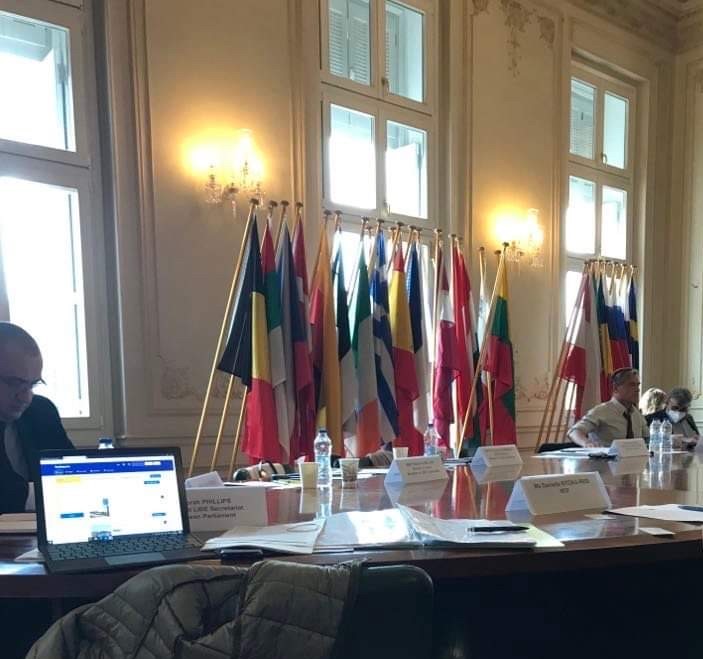
Στις 2 Νοεμβρίου στα γραφεία της Ευρωπαϊκής Επιτροπής στην Αθήνα, η Επιτροπή για τις ατομικές ελευθερίες  και τη Δικαιοσύνη του Ευρωπαϊκού Κοινοβουλίου (Committee on Civil Liberties, Justice and Home Affairs-LIBE), οργάνωσε μια συνάντηση με εκπροσώπους της Κοινωνίας των Πολιτών που δουλεύουν στο πεδίο προστασίας των προσφύγων.

Στη συνάντηση συζητήθηκε, μεταξύ άλλων, το ζήτημα των παράνομων επαναπροωθήσεων (pushbacks), για το οποίο τόσος θόρυβος έχει ξεσπάσει σε εθνικό και ευρωπαϊκό επίπεδο, καθώς και μια πρώτη αποτίμηση για τις συνθήκες στα νέα κέντρα κράτησης που εγκαινιάστηκαν πρόσφατα.

Στη συνάντηση ήταν παρούσες οι πιο γνωστές ΜΚΟ που δραστηριοποιούνται στο πεδίο. Το SolidarityNow εκπροσωπήθηκε από τη δικηγόρο Μαρίνα Κάντα, Συντονίστρια της Νομικής Υπηρεσίας στο Κέντρο Αλληλεγγύης της Αθήνας*. Η Μαρίνα, στην ολιγόλεπτη αλλά μεστή παρέμβασή της, αφού παρουσίασε το σημαντικό έργο του SolidarityNow τα τελευταία χρόνια, εστίασε στο μεγάλο ζήτημα της έλλειψης πολιτικών ένταξης για τους μεταναστευτικούς πληθυσμούς. Όσον αφορά τις συνθήκες στα νέου τύπου κέντρα κράτησης αλλά και τις παράνομες επαναπροωθήσεις, η Μαρίνα τόνισε ότι το σημαντικό πρόβλημα είναι αφενός η εξαρχής υπονόμευση κάθε μελλοντικής πολιτικής ένταξης, όταν οι τοπικές κοινωνίες υποδοχής «επιβάλλουν» την αρχιτεκτονική και την αισθητική των κέντρων ελεγχόμενης προσωρινής διαβίωσης, ενώ ως προς τις παράνομες επαναπροωθήσεις, κάλεσε την ομάδα των Ευρωβουλευτών να εστιάσουν και στη συνθήκη «θεσμοθετημένων πλέον επαναπροωθήσεων» που είναι το αποτέλεσμα της πρόσφατης ΚΥΑ που ορίζει ότι η Τουρκία αποτελεί ασφαλή τρίτη χώρα για αιτούντες άσυλο, που προέρχονται από τη Συρία, το Πακιστάν, το Μπαγκλαντές, το Αφγανιστάν και τη Σομαλία. Πλέον, για την πλειοψηφία των αιτούντων που προέρχονται από τις προαναφερόμενες χώρες καταγωγής, το αίτημά τους για διεθνή προστασία στην Ελλάδα απορρίπτεται ως απαράδεκτο χωρίς να εξετάζεται η υπόθεσή τους στην ουσία, αφού διατάσσεται η επανεισδοχή τους στην Τουρκία. Πρόκειται για μια σύγχρονη θεσμική εκδοχή της λεγόμενης externalization of migration και αποτρεπτικού ελέγχου των ροών.

Η έκπληξη των Ευρωβουλευτών ήταν μεγάλη,  όταν μισή περίπου ώρα μετά τη σημαντική αυτή σύσκεψη, σε προγραμματισμένη επίσκεψη αυτοψίας στην Αστυνομική Διεύθυνση Αλλοδαπών της Πέτρου Ράλλη, συνάντησαν και πάλι τη Μαρίνα Κάντα που νωρίτερα τους είχε αναλύσει τα σημαντικά προβλήματα από τις διαδικασίες ασύλου στην Ελλάδα. Αυτή τη φορά την είδαν επί το έργον, στους γκρίζους διαδρόμους της Διεύθυνσης Αλλοδαπών, να υποστηρίζει μια οικογένεια Νιγηριανών στην προσπάθειά τους να εκδώσουν νομιμοποιητικά έγγραφα για το νεογέννητο παιδί τους.

Στο SolidarityNow εδώ και χρόνια γίνεται μια μεθοδική δουλειά βάσης, που επιτρέπει στα στελέχη μας να είναι παρόντα τόσο στις διεργασίες της απλής αλλά σκληρής καθημερινότητας όσο και στο επίπεδο της λήψης αποφάσεων, σε εθνικό και ευρωπαϊκό επίπεδο. Με την  εμπειρία της ενσυναίσθησης, της γνώσης, για την Αλληλεγγύη που είναι ο στόχος μας.

*Από 1/8/2021 έως 31/7/2022 η λειτουργία του Κέντρου Αλληλεγγύης Αθήνας υποστηρίζεται με δωρεά από το Ίδρυμα Σταύρος Νιάρχος (ΙΣΝ), στο πλαίσιο της Διεθνούς Πρωτοβουλίας Δράσης COVID-19 του ΙΣΝ για την Καταπολέμηση των Συνεπειών της Πανδημίας.

World Mental Health Day, 10/10/2021: “Mental Health in an Uneven World”


Eleni Panagiotakopoulou, Team Leader of the Psychological Support – Counseling Service,

Athens Solidarity Center, SolidarityNow

This year’s celebration of the World Mental Health Day is more important than ever. After a year and a half of humanity’s war against the coronavirus, we no longer doubt the importance of mental health, both individually and socially.

During the pandemic, we recall news related to the increase of psychotropic drug use and the reports on the increased number of suicides. At the same time, if one searches for online data related to the use of psychotropic drugs in Greece or the number of suicides -successful or not- or even if one observed the rise of anxiety disorder incidents and mood disorders (e.g., depression), he would find very few reports and studies processing this data. We believe that we need to seriously address the insufficient attention to mental health issues. And even more today, after a year and a half of struggle with the pandemic.

One of the worldwide serious effects of the COVID-19 outbreak is that it brought to light existing inequalities due to race and ethnicity, economic status, sexual orientation, and gender identity, as well as due to mental health problems. This exacerbation can only give birth to and foster a negative impact on people’s mental health. Unfortunately, one of the key inequalities is access to mental health services.

Nonetheless, access to mental health services offers countless benefits to the society. They initially contribute to the improvement of the people’s overall health, then to the indiscriminate integration of everyone and last but not least to the minimization of social discord and upheaval.

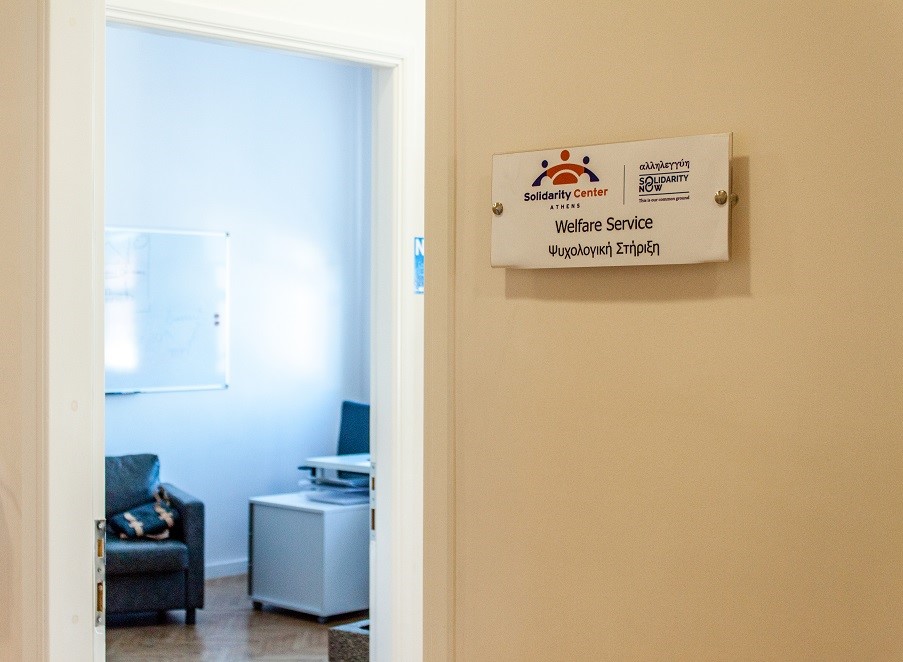
That’s why our work inspires us. The Psychological Support-Counseling Service of the Athens Solidarity Center by SolidarityNow is a service open to all those who need it. We are proud that so many people trust us and give us the opportunity to stand by their side. We believe that today, above all, we must embrace diversity and show that apparent weakness is a disguised strength. And we will make it through our greatest weapon, Solidarity.

 *From 1/7/2021 till 30/6/2022, Kahane Foundation supports the Psychosocial service of the Athens Solidarity Center.

**From 1/8/2021 till 31/7/2022, the Athens Solidarity Center’s operation is supported through a grant from the Stavros Niarchos Foundation (SNF) in the framework of its global COVID-19 Relief Initiative.

Κοινό Δελτίο Τύπου: Ημέρα καριέρας Career4all στη Θεσσαλονίκη, με στόχο τη διασύνδεση του προσφυγικού πληθυσμού με την αγορά εργασίας.


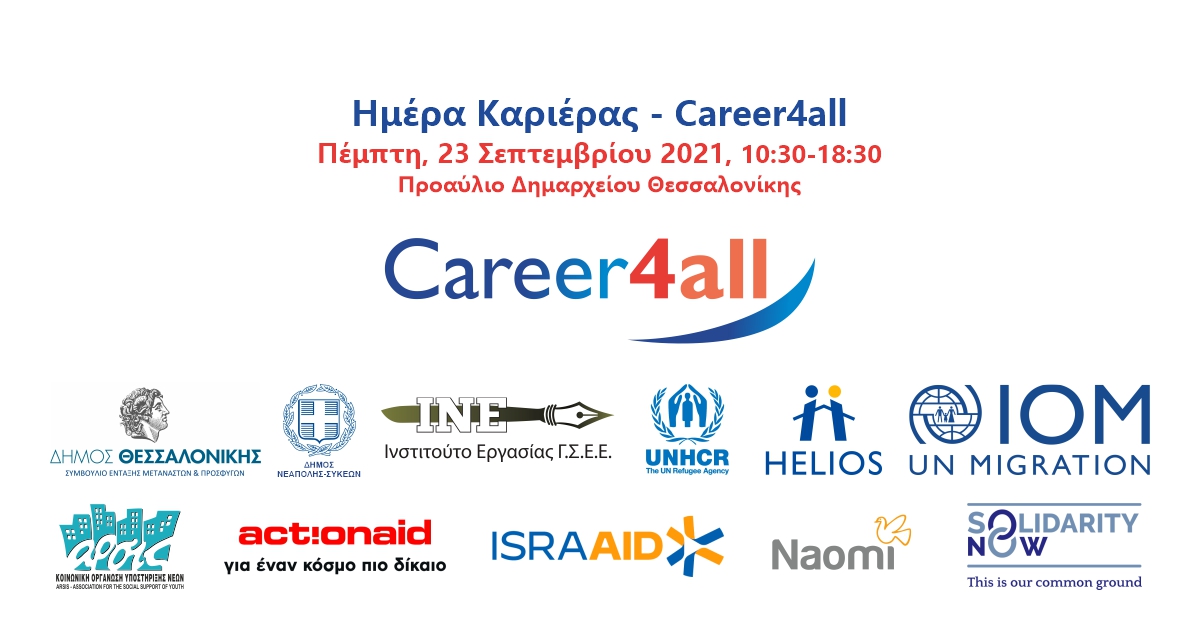
Την Πέμπτη 23 Σεπτεμβρίου 2021, το Συμβούλιο Ένταξης Μεταναστών και Προσφύγων (ΣΕΜΠ) του Δήμου Θεσσαλονίκης και η Ομάδα Εργασίας για την εργασιακή ένταξη μεταναστών και προσφύγων, διοργανώνουν την ημέρα καριέρας Career4all στο προαύλιο του Δημαρχείου Θεσσαλονίκης, με κεντρικό σκοπό τη διασύνδεση του προσφυγικού πληθυσμού με την αγορά εργασίας.

Οι  δράσεις της εκδήλωσης, στις οποίες θα υπάρχει παράλληλη διερμηνεία στα αγγλικά, αραβικά, γαλλικά, φαρσί και ουρντού, απευθύνονται κυρίως σε πρόσφυγες και αιτούντες άσυλο, οι οποίοι αναζητούν εργασία στην περιοχή της Θεσσαλονίκης.

Κατά τη διάρκεια της εκδήλωσης, εξειδικευμένοι σύμβουλοι σταδιοδρομίας θα ενημερώσουν τους υποψηφίους σχετικά με πρακτικά ζητήματα που αφορούν στην πρόσβαση στην τοπική αγορά εργασίας, ενώ εκπρόσωποι επιχειρήσεων θα παρουσιάσουν τη φύση των εργασιών τους και τις δεξιότητες που απαιτούνται στους κλάδους που εκπροσωπούν.

Στο πλαίσιο της εκδήλωσης, πρόσφυγες θα μοιραστούν τη δική τους εμπειρία εργασίας στην Ελλάδα με άλλους υποψήφιους εργαζομένους.

Επιπλέον, θα υλοποιηθεί ειδική συνεδρία για επιχειρήσεις με στόχο την πληροφόρησή τους για τα εργασιακά δικαιώματα των προσφύγων στην Ελλάδα και για θέματα ισότητας ευκαιριών και διαφορετικότητας στην αγορά εργασίας.

Διεκδικώντας μία θέση εργασίας

Παράλληλα με τις προαναφερόμενες δράσεις, θα παρευρίσκονται εκπρόσωποι εταιρειών, με τους οποίους μπορούν να έρθουν σε επαφή πρόσφυγες που αναζητούν εργασία και επιθυμούν να απασχοληθούν στις προσφερόμενες από τις εταιρείες θέσεις.

Λίγα λόγια για τους διοργανωτές

Η ημέρα καριέρας Career4all αποτελεί μια πρωτοβουλία της “Ομάδας Εργασίας για την υποστήριξη στην εργασιακή ένταξη μεταναστών και προσφύγων” σε συνεργασία με το Συμβούλιο Ένταξης Μεταναστών και Προσφύγων του Δήμου Θεσσαλονίκης.

Η ομάδα εργασίας αποτελεί σημείο συνάντησης τοπικών και διεθνών οργανώσεων και οργανισμών οι οποίοι δραστηριοποιούνται σε υπηρεσίες συναφείς με την απασχολησιμότητα και την εργασιακή ένταξη. Στόχος της είναι η διασύνδεση των φορέων και των οργανώσεων, η ενημέρωση για τρέχοντα ζητήματα και η διοργάνωση δράσεων για την αντιμετώπιση των προκλήσεων που αφορούν την κοινωνική και εργασιακή ένταξη του μεταναστευτικού και προσφυγικού πληθυσμού της πόλης.

Φορείς και προγράμματα που συμμετέχουν: Δήμος Θεσσαλονίκης, Δήμος Νεάπολης-Συκεών, ΙΝΕ ΓΣΕΕ, EU funded HELIOS Project – ΔΟΜ, Ύπατη Αρμοστεία του ΟΗΕ για τους Πρόσφυγες, ΑΡΣΙΣ – Κοινωνική Οργάνωση Υποστήριξης Νέων, ActionAid Hellas, IsraAID, ΝΑΟΜΙ – Οικουμενικό Εργαστήριο Προσφύγων και SolidarityNow.

Αρμοδιότητες του ΣΕΜΠ, είναι μεταξύ άλλων η καταγραφή και η διερεύνηση προβλημάτων που αντιμετωπίζουν οι μετανάστες και οι πρόσφυγες που κατοικούν μόνιμα στην περιφέρεια του Δήμου Θεσσαλονίκης, ως προς την ένταξή τους στην τοπική κοινωνία, η επαφή τους με δημόσιες αρχές ή τη δημοτική αρχή και η υποβολή εισηγήσεων προς το δημοτικό συμβούλιο για την ανάπτυξη τοπικών δράσεων προώθησης της ομαλής κοινωνικής ένταξης των μεταναστών και προσφύγων.

One year after the Moria fire: Few lessons learned as Greece expands barriers to refugees’ protection

Copyright Giorgos Moutafis for SolidarityNow

One year after the Moria fire that left 13.000 people homeless,

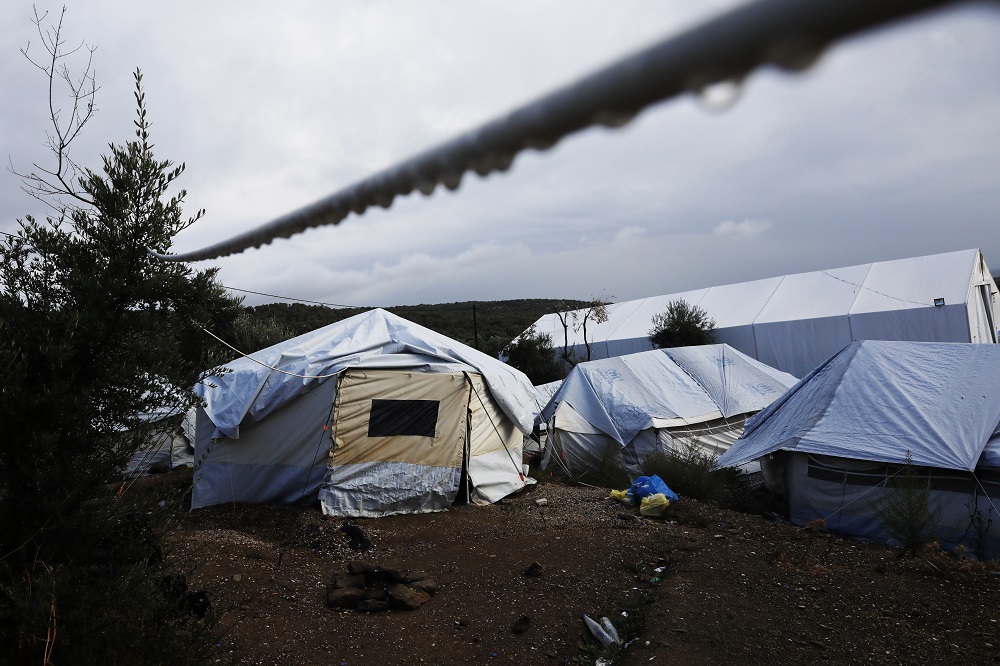
45 NGOs and civil society groups have today released a report urging the European Union and Greek government to abandon plans to dramatically restrict the movement of people in refugee camps in Greece. With financial and technical support from the European Commission, authorities in Greece are constructing fences and concrete walls around dozens of existing camps and building closed camps in remote locations on the Aegean islands. New legislation aims to further restrict the freedom of movement of camp residents and access for NGOs, journalists, and others with critical aid delivery and monitoring roles.

When a devastating fire destroyed Moria camp on the Greek island of Lesvos burned to the ground on the night of 8-9 September 2020, Greek and European officials promised they would improve reception conditions. EU Commissioner for Home Affairs Ylva Johansson said there should be “no more Morias.” Yet, rather than pursuing alternatives to camps, the EU and Greece have hardened their approach. As the report shows, authorities are pursuing “harmful policies focused on deterring and containing asylum seekers and refugees,” thus “jointly implementing and deepening the status quo.”

Within months of the fire in September 2020, Greek and EU officials agreed to the construction of Multi-Purpose Reception and Identification Centres (MPRICs) on five Aegean islands. On the mainland, they began building walls and chain link fencing around dozens of existing camps. Camp residents and NGOs familiar with the plans have likened these facilities to prisons.

The report identifies a number of significant concerns about the plans, warning that the new structures “will impede effective identification and protection of vulnerable people; limit access to services and assistance for asylum seekers; hinder independent monitoring of conditions inside facilities; and exacerbate the harmful effects of displacement and containment on individuals’ mental health. Moreover, these policies will preclude displaced people’s integration in local communities, to their detriment and that of Greece.”

The European Commission is funding the construction projects with grants exceeding €250 million. Commissioner Johansson has defended the work, insisting that the new structures on the islands will not be closed and that people will be free to come and go. Yet the Greek authorities make no secret of their intention to restrict freedom of movement for camp residents: on 29 March 2021, the Greek Minister of Migration and Asylum, Notis Mitarachi, described the new MPRICs as “closed and controlled.” He has used similar language when discussing camp facilities.

Questioning how and why EU funds are being used to restrict the freedom of movement of people seeking sanctuary, the report urges Members of the European Parliament (MEPs) to urgently investigate the current construction process and intervene to protect the rights and liberties of people seeking asylum in Greece. In a list of recommendations, the report asks EU institutions and national governments, particularly the Greek authorities, the European Commission and its Task Force Migration Management, and Members of the European Parliament to:

  1. Guarantee that new arrivals to the Greek island are not detained in MPRICs by default and that restrictions on movement are based on an individual assessment and do not exceed limitations laid down in law.
  2. Secure a firm commitment from the Greek authorities that the freedom of movement of residents of all camps will be upheld, and that access to essential services, including education (especially for children), and healthcare is guaranteed.
  3. Guarantee that asylum seekers located at facilities in remote areas have access to city centres or nearby urban areas by facilitating transport and opportunities for engagement, thereby preventing the harmful effects of isolation and social exclusion and promoting an early start to integration.
  4. Urgently scrutinising the use of EU funds to finance the construction of MPRICs and walls around mainland camps, and considering a moratorium on construction until the fundamental rights of residents are guaranteed.
  5. Guarantee a timely and adequate monitoring and evaluation plan to assess conditions in the new MPRICs and walled-off camps and their impact on residents’ access to rights, material reception conditions, services, assistance, mental health, and education  (especially for children).
  6. Ensure that legislation governing NGOs’ access to reception facilities in Greece is in line with EU and international law and standards regarding the freedom of association and does not hinder the provision of adequate services and support to asylum seekers living inside reception facilities. The EU Commission should proceed without delay in assessing whether Greek legislation restricting NGO activity is compatible with EU law.
  7. Urge the Greek government to revoke the new restrictions on cash assistance to allow asylum seekers to live in independent housing, and investing in alternative accommodation to reception facilities to promote integration and social inclusion while people complete the asylum process.
  8. Urge the Greek government to introduce protocols for the operation and monitoring of all reception facilities that ensure adequate security and protection of camp residents and staff without encroaching on their rights and freedoms.

Full report available here: Walling off welcome – joint policy briefing (September 2021)

(Ελληνικά) Κοινό Δελτίο Τύπου: Αφγανιστάν: απαραίτητη η δημιουργία ασφαλών διαδρομών για τους πρόσφυγες.

Copyright: Reuters

Η πτώση της Καμπούλ και η επικράτηση των Ταλιμπάν έχουν μια πολύ άμεση συνέπεια: πολλοί άνθρωποι στο Αφγανιστάν βρίσκονται ήδη σε κίνδυνο.

Σαφώς δεν είμαστε σε θέση να προβλέψουμε αν θα υπάρξουν προσφυγικές ροές από το Αφγανιστάν, αν και αυτό φαντάζει πιθανό. Η εμπειρία από το προηγούμενο καθεστώς των Ταλιμπάν και οι πρόσφατες αγριότητες υποδεικνύουν πως η ζωή και η ελευθερία πολλών χιλιάδων αμάχων και ιδιαίτερα γυναικών βρίσκεται σε κίνδυνο λόγω των θρησκευτικών πεποιθήσεών τους, της εθνοτικής καταγωγής τους, του φύλου και του σεξουαλικού προσανατολισμού τους ή των πολιτικών τους πεποιθήσεων.

Αυτή η συγκυρία θα πρέπει να σημάνει συναγερμό για κάθε δημοκρατική κοινωνία. Συναγερμό για την ανάγκη προστασίας ανθρώπων σε κίνδυνο, για την ανάγκη να σωθούν ανθρώπινες ζωές.

Με βαθιά λύπη διαπιστώνουμε πως η έως τώρα πολιτική πραγματικότητα απέχει από αυτό το σκοπό. Πως υπάρχει μια έκτακτη κινητοποίηση μεταξύ των κρατών μελών της ΕΕ, αλλά προς τον αντίθετο σκοπό. Πως εκεί όπου θα έπρεπε να υπάρχει κινητοποίηση αλληλεγγύης, μοιάζει να υπάρχει μόνο προετοιμασία για αποτροπή.

Στη χαραυγή εξελίξεων που μπορεί να οδηγήσουν σε μια νέα, παρατεταμένη ανθρωπιστική κρίση και που κάθε δυνατή προσπάθεια θα πρέπει να επικεντρωθεί στην προστασία της ζωής όσων έχουν ανάγκη, μοιάζει αδιανόητο να ανακοινώνεται πως η Ελλάδα δεν μπορεί να γίνει «πύλη εισόδου για ένα νέο κύμα προσφύγων».

Είναι επίσης αδιανόητο το πώς ακόμα και πέντε μέρες πριν την πτώση της Καμπούλ, 6 υπουργοί χωρών της ΕΕ (συμπεριλαμβανομένης της Ελλάδος) προέτρεψαν την Ευρωπαϊκή Επιτροπή να εντείνει τις συζητήσεις της με την (πάλαι ποτέ) κυβέρνηση του Αφγανιστάν, ώστε να διασφαλιστεί πως οι αναγκαστικές απελάσεις Αφγανών πολιτών προς το Αφγανιστάν θα συνεχιστούν.

Ως μέλη της κοινωνίας των πολιτών, νιώθουμε την ευθύνη να επισημάνουμε πως κάθε άνθρωπος που βρίσκεται σε κίνδυνο δίωξης για λόγους καταγωγής και συνείδησης έχει το δικαίωμα να προστατευτεί με βάσει το διεθνές δίκαιο προστασίας των προσφύγων. Νιώθουμε το χρέος να επισημάνουμε πως κάθε άτομο που αναζητά άσυλο έχει δικαίωμα το αίτημά του να εξετασθεί ατομικά, όπως προβλέπεται από τις αρχές του διεθνούς και ενωσιακού δικαίου.

Σε αυτό το πλαίσιο, μας ανησυχεί ιδιαίτερα το γεγονός ότι στη χώρα μας, οι έως τώρα προετοιμασίες για τη διαχείριση των δυνάμει επακόλουθων της κρίσης στο Αφγανιστάν, φαίνεται να επικεντρώνονται μόνο στην ενίσχυση των μηχανισμών αποτροπής. Μας ανησυχεί επίσης πολύ το ενδεχόμενο άνθρωποι σε ανάγκη να αποτραπούν από το να βρουν ασφαλές καταφύγιο για τους ίδιους και τις οικογένειές τους και καλούμε την ελληνική κυβέρνηση να αποφύγει ένα τέτοιο ενδεχόμενο με κάθε τρόπο.

Οι τραγικές εξελίξεις στο Αφγανιστάν κάνουν επιτακτική την ανάγκη να επανεξεταστούν πρόσφατες αποφάσεις απόρριψης ασύλου πολιτών του Αφγανιστάν και το θεσμικό πλαίσιο που τις διέπει. Όπως είναι γνωστό, η Τουρκία πρόσφατα ανακηρύχθηκε σε «ασφαλή τρίτη χώρα» για τους πολίτες του Αφγανιστάν. Η εφαρμογή αυτού του μέτρου μπορεί να οδηγήσει στην άρνηση της ελληνικής Πολιτείας να εξετάσει την ουσία αιτημάτων ασύλου πολιτών του Αφγανιστάν. Από μόνο του αυτό είναι απαράδεκτο, καθώς ισοδυναμεί με την άρνηση της ευθύνης προστασίας ατόμων προερχόμενων από την λιγότερο ασφαλή χώρα του κόσμου. Εν όψει και της συνεχιζόμενης άρνησης της Τουρκίας, ήδη από τον Μάρτιο του 2020, να δεχθεί την επιστροφή πολιτών τρίτων χωρών από την Ελλάδα, αυτό θα οδηγήσει έναν σημαντικό αριθμό Αφγανών αιτούντων άσυλο σε ένα ανεπίτρεπτο νομικό κενό μεταξύ Ελλάδας και Τουρκίας, σε μια κατάσταση χωρίς πρόσβαση στη υγεία, χωρίς πρόσβαση στη στέγη και χωρίς πρόσβαση στην εκπαίδευση. Καλούμε, λοιπόν, για μια ακόμη φορά την ελληνική κυβέρνηση να αναθεωρήσει την πρόσφατη Κοινή Υπουργική Απόφαση σε σχέση με τους πολίτες Αφγανιστάν.

Οι κυβερνήσεις της ΕΕ δεν θα πρέπει να αρνηθούν, μέσω της ανάθεσης των ευθυνών τους σε τρίτες χώρες, να συνδράμουν καθοριστικά στον επιμερισμό της ευθύνης προστασίας όσων Αφγανών πολιτών αναζητήσουν διεθνή προστασία. Αυτή η ευθύνη αλληλεγγύης πηγάζει από τις δημοκρατικές, ιστορικές και πολιτισμικές αρχές των χωρών της ΕΕ, όπως και το διεθνές δίκαιο. Ας μην αποτύχουμε για μια ακόμη φορά να προασπισθούμε τις αρχές της δημοκρατίας, του ανθρωπισμού, του κράτους δικαίου και της αλληλεγγύης.

Υπογράφουσες Οργανώσεις

Ελληνικό Συμβούλιο για τους Πρόσφυγες

SolidarityNow

Ελληνικό Φόρουμ Μεταναστών

Ελληνικό Φόρουμ Προσφύγων

Μέλισσα – Δίκτυο Μεταναστριών στην Ελλάδα