

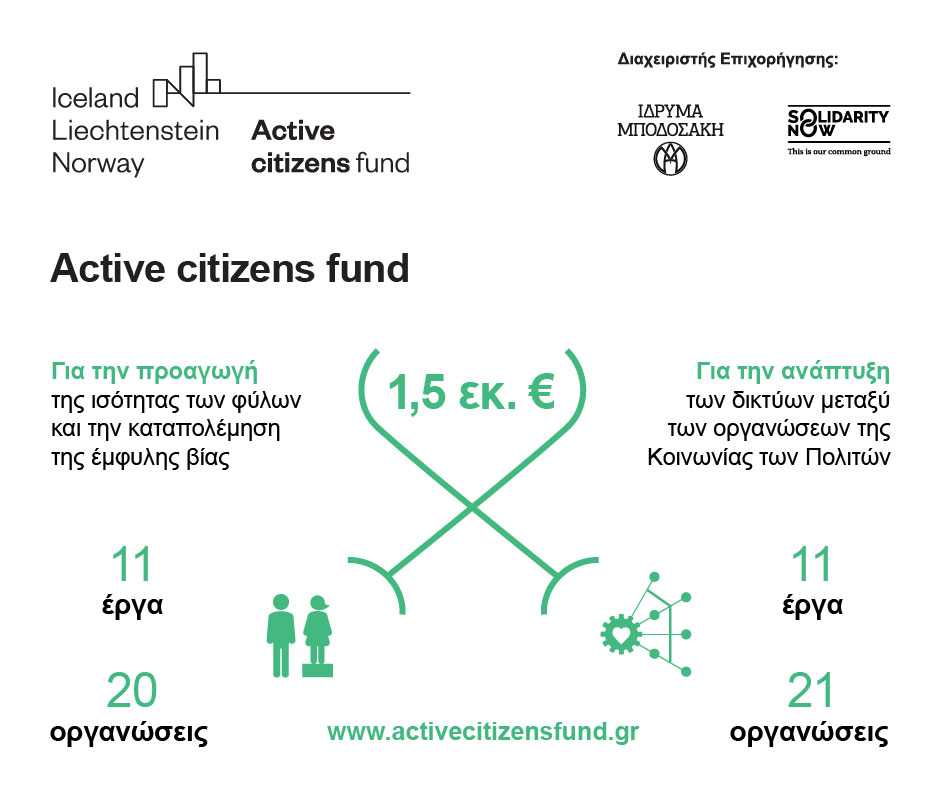
(Ελληνικά) Active citizens fund: Ανακοίνωση κατανομής επιχορήγησης € 1,5 εκ στην Κοινωνία των Πολιτών

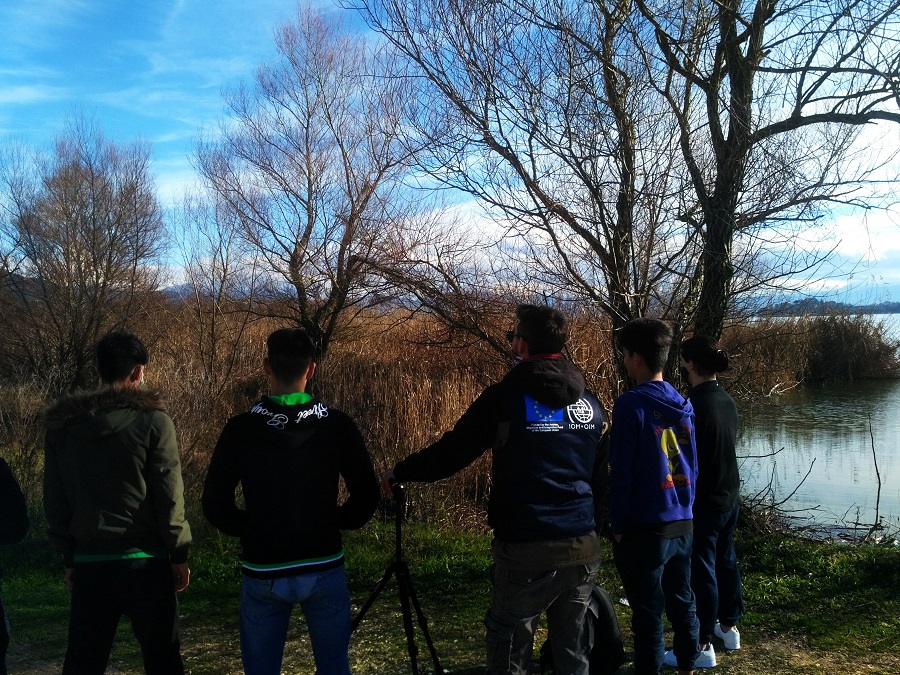
From September 2020 until June 2021, SolidarityNow provided care and support to 212 unaccompanied children, under the framework of the EU “Voluntary relocation scheme from Greece to other European Countries”. The action was implemented under the general coordination of the Government of Greece, the Ministry of Migration and Asylum, through the Special Secretary for the Protection of Unaccompanied Minors, in partnership with the International Organization for Migration (IOM) and the support of the European Commission.
The goal of the intervention was the safe and organized transfer of children from the northern Aegean islands and the Evros border region to the mainland prior to their relocation to other European countries.
SolidarityNow’s experienced and specialized staff, focusing on the safety, protection and empowerment of children, provided -among other services- psychosocial support, legal support and representation, non-formal education and leisure activities, advice on medical issues and escorts to health facilities. The children embraced the informal education and recreational activities with great enthusiasm, helping them to learn, make friends, and smile again.
Furthermore, the local communities in the prefectures of Kozani and Ioannina where the transitional accommodation structures were located, embraced the action, and the residents contributed to its smooth development and completion. Through the video created by the organization’s staff, the children talk about how their lives changed with this intervention, while members of the local community of Velvento, Kozani share their views from their interactions with the children. The video is available here: https://youtu.be/AxRZle_uLt0.
“For us at SolidarityNow, the unaccompanied children support program was a bet on hopefulness. Our goal was very ambitious: to connect the broken thread of a traumatic yesterday, with the stability created by tomorrow’s journey. We responded to the need wholeheartedly and we are proud of the result.”, Antigone Lyberaki, General Manager SolidarityNow.
*The action was implemented by SolidarityNow under the general coordination of the Government of Greece, the Ministry of Migration and Asylum, through the Special Secretary for the Protection of Unaccompanied Minors, the partnership with the International Organization for Migration (IOM) and the support of the European Commission.
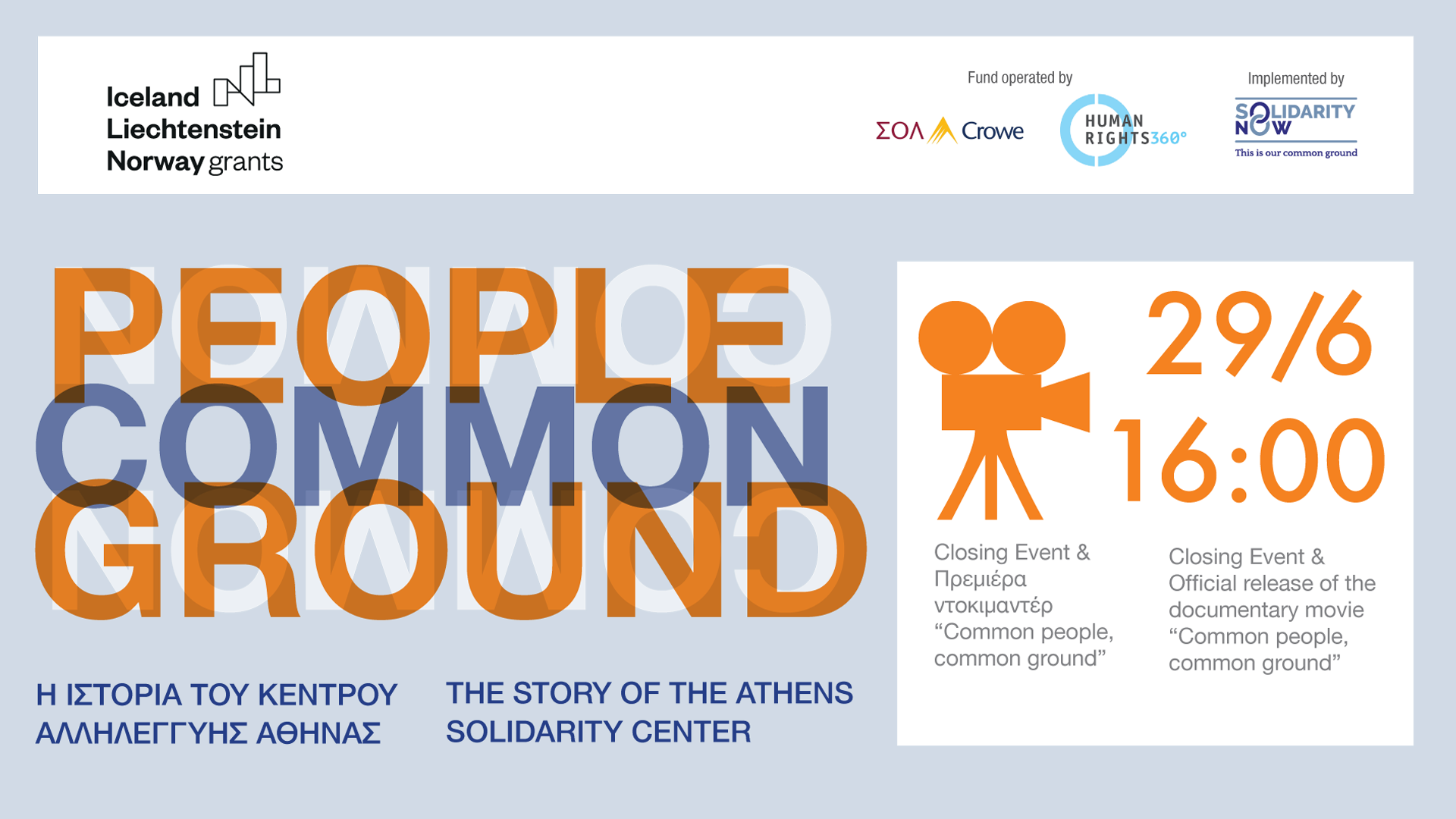
On the occasion of the completion of the second grant period for the operation of the Athens Solidarity Center* by the financial mechanism EEA Grants, SolidarityNow organizes an online event and a premiere, on Tuesday, June 29 at 16.00.
The event will be broadcast on Facebook: https://fb.me/e/2kueB3rnH and on YouTube: https://www.youtube.com/user/SolidarityNowGreece.
The financial support by the EEA Grants entitled “Increased opportunities for integration and social inclusion for vulnerable individuals”** started in May 2019 and will end next month. The Athens Solidarity Center was supported to continue to provide cohesive social welfare services to all and over the two years has achieved significant results supporting people in need.
The challenge of the period was the Center’s response to the emergency conditions created by the Covid-19 pandemic. Beside the pandemic, the Athens Solidarity Center succeeded in providing support to more than 6,500 people. The total number of services offered exceeds 24,600.
On Tuesday, June 29 at 16.00, SolidarityNow will present for the first time the work carried out at the Athens Solidarity Center through the documentary “Common People, Common Ground”, a production of the Norwegian Embassy in Athens. Director Theodore Scrivanos will make a brief introduction to the world of his film, using the realistic depiction of the accomplished work and the beneficiaries’ human stories and testimonies.
The event will be addressed by the Ambassador of Norway to Greece, Mr. Frode Overland Andersen, Mr. Epaminondas Farmakis, Co-founder and General Manager HumanRights360, Director of the “Local Development and Poverty Reduction” and “Asylum and Migration” programs in Greece, EEA Grants, 2014–2021 and Mr. Stelios Zavvos, Chairman of the SolidarityNow Board of Directors.
*Since May 2019, the Athens Solidarity Center is financed by EEA Grants, with SOL CROWE and HumanRights360 as Fund Operator. The Center is also supported by the Municipality of Athens.** The project
“Increased opportunities for integration and social inclusion for vulnerable individuals” by Athens Solidarity Centre (ASC) is being implemented under the “Local Development and Poverty Reduction” programme.
About EEA Grants
The EEA Grants represent the contribution of Iceland, Liechtenstein, and Norway towards a green, competitive, and inclusive Europe. There are two overall objectives: reduction of economic and social disparities in Europe, and to strengthen bilateral relations between the donor countries and 15 EU countries in Central and Southern Europe and the Baltics. The three donor countries cooperate closely with the EU through the Agreement on the European Economic Area (EEA). The donors have provided €3.3 billion through consecutive grant schemes between 1994 and 2014. For the period 2014-2021, the EEA Grants amount to €1.55 billion. The priorities for this period are: 1) Innovation, Research, Education and Competitiveness, 2) Social Inclusion, Youth Employment and Poverty Reduction, 3) Environment, Energy, Climate Change and Low Carbon Economy, 4) Culture, Civil Society, Good Governance and Fundamental Rights, 5) Justice and Home Affairs. The EEA Grants are jointly financed by Iceland, Liechtenstein and Norway, whose contributions are based on their GDP. Eligibility for the Grants mirror the criteria set for the EU Cohesion Fund aimed at member countries where the Gross National Income (GNI) per inhabitant is less than 90% of the EU average. More information: www.eeagrants.org & www.eeagrants.gr
About Program I: “Local Development and Poverty Reduction”
The “Local Development and Poverty Reduction” programme in Greece, financed by Iceland, Liechtenstein and Norway, was awarded a total budget of 6,5 million euros as part of the EEA Grants 2014 – 2021. The program aspires to contribute to enhancement of social cohesion and reduction of economic and social disparities. The Fund Operator for the “Local Development and Poverty Reduction” programme in Greece is SOL Consulting S.A in partnership with HumanRights360. More information: https://www.asylumandmigration-eeagrants.gr
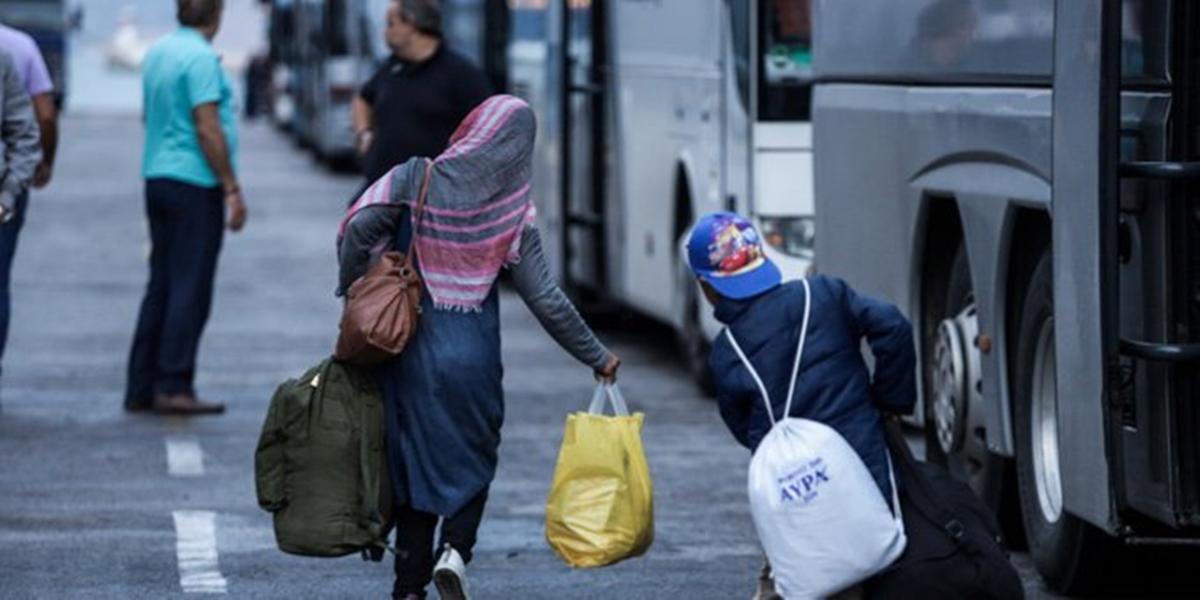
Με ανακοίνωσή του στις 15 Απριλίου, το Υπουργείο Μετανάστευσης και Ασύλου εξήγγειλε την οριζόντια περικοπή του οικονομικού βοηθήματος για όλες και όλους τους αιτούντες άσυλο που δεν στεγάζονται σε δομές της ευθύνης του ή των συνεργαζόμενων με αυτό φορέων, από την 1η Ιουλίου 2021. Η εξαγγελία αυτή έγινε, μάλιστα, χωρίς την έκδοση καμίας σχετικής Υπουργικής Απόφασης που να εξειδικεύει τη διαδικασία.
Σύμφωνα με την ανακοίνωση: «Οι αιτούντες που συγκαταλέγονται στον αστικό πληθυσμό, εφόσον δεν έχουν τους απαραίτητους πόρους για να καλύψουν τις βασικές ανάγκες διαβίωσής τους, θα πρέπει να υποβάλλουν αίτημα στέγασης στους αρμόδιους φορείς».
Καθώς η διορία πλησιάζει, οι οργανώσεις μας επισημαίνουν πως η συγκεκριμένη απόφαση έχει σοβαρές προβληματικές πλευρές, τόσο κοινωνικές όσο και νομικές.
Υπολογίζεται πως έως και 25.000 αιτούντες άσυλο, μεταξύ των οποίων και πολλές οικογένειες με παιδιά, έχουν καταφέρει να αυτοστεγαστούν, χάρη στο οικονομικό βοήθημα που τους παρέχεται στο πλαίσιο των συνθηκών υποδοχής, με ευρωπαϊκούς πόρους. Είναι άνθρωποι που κατάφεραν να συγκατοικήσουν με ανθρώπους της επιλογής τους: να νιώσουν ασφαλείς με φίλους, συντρόφους, συγκατοίκους, που τους υποστηρίζουν σε περίπτωση ανάγκης (ψυχικής ασθένειας, αναπηρίας, προχωρημένης ηλικίας κ.λπ.). Άνθρωποι που τα παιδιά τους πηγαίνουν στο σχολείο, που έχουν αποκτήσει φίλους, κοινωνικές σχέσεις και μια καθημερινότητα. Είναι, δηλαδή, άνθρωποι που με πολύ αγώνα έχουν κάνει βήματα για να ανακτήσουν την αυτονομία τους, γεγονός που ενισχύει και την προοπτική της ένταξης για όσους και όσες, τελικά, θα μείνουν στην Ελλάδα.
Τώρα όμως, καλούνται να εγκαταλείψουν την όποια ζωή κατάφεραν να δημιουργήσουν, να εγκατασταθούν σε διαμερίσματα με πολλούς άλλους συγκατοίκους που δεν γνωρίζουν και συχνά από άλλες εθνικότητες. Καλούνται επίσης να επιστρέψουν σε δομές καταυλισμών εκτός του αστικού ιστού, συχνά πίσω από υπερυψωμένα τείχη, με προφανείς δυσμενείς συνέπειες για την αξιοπρέπεια και την προοπτική της ένταξής τους. Και όλα αυτά, για να μεταφερθούν σε μια κατοικία ελεγχόμενης διαμονής, χωρίς να είναι σαφές το πώς θα επιτευχθεί αυτό ομαλά στην πράξη και χωρίς καν το Υπουργείο να διαθέτει την απαραίτητη υποδομή για να υλοποιήσει την απόφαση.
Στην ανακοίνωση του Υπουργείου, δεν υπάρχει καμία πρόβλεψη για το πώς θα διασφαλιστεί η έγκαιρη μεταφορά των ανθρώπων σε απομακρυσμένες δομές ή διαμερίσματα ή για το εάν και με ποιον τρόπο θα καλύπτονται τα έξοδα της μετακίνησής τους, δεδομένου ότι πολλοί αδυνατούν να το κάνουν από μόνοι τους. Δεν υπάρχει καμία αναφορά για το εάν και πώς θα διασφαλίζεται από τις αρμόδιες υπηρεσίες η έγκαιρη μεταφορά της υπόθεσης ασύλου τους στο πλησιέστερο Γραφείο Ασύλου του νέου τόπου κατοικίας τους.
Το Υπουργείο ζητάει τη συνδρομή της κοινωνίας των πολιτών για την υλοποίηση αυτής της εξαγγελίας. Ζητάει, δηλαδή, από Μη Κυβερνητικές Οργανώσεις να αναλάβουν εξολοκλήρου την εφαρμογή της απόφασής του: να καταγράψουν τα αιτήματα στέγασης, να ενημερώσουν τους αιτούντες, να διαχειριστούν όλο το φόβο, το θυμό και την απόγνωσή τους για τη ζωή που αναγκάζονται, για μια ακόμη φορά, να εγκαταλείψουν, έχοντας μάλιστα ελάχιστη προθεσμία (μία-τρεις μέρες), για να αποφασίσουν αν αποδέχονται τη μετακίνησή τους.
Το μήνυμα που στέλνει το Υπουργείο είναι ότι οι αιτούντες άσυλο πρέπει να ζουν μέσα σε κέντρα φιλοξενίας. Αυτό θα αποτελέσει μέγιστο πισωγύρισμα στη διαδικασία της ένταξης και θα δημιουργήσει συνθήκες γκέτο και περιθωριοποίησης.
Επίσης η απόφαση αυτή δεν συμβαδίζει με την ισχύουσα νομοθεσία.
Σύμφωνα με το άρθρο 57 του πρόσφατου νόμου 4636/2020, ο περιορισμός ή η διακοπή των υλικών συνθηκών υποδοχής, στις οποίες περιλαμβάνεται και το οικονομικό βοήθημα, αφενός απαιτεί ατομική και αιτιολογημένη κρίση από την αρμόδια αρχή υποδοχής, δηλαδή δεν είναι επιτρεπτή με μια οριζόντια και γενική απόφαση. Αφετέρου, επιτρέπεται μόνο όταν συντρέχουν οι όροι που προβλέπει η διάταξη του παραπάνω άρθρου 57, που επαναλαμβάνει τις σχετικές διατάξεις της ευρωπαϊκής Οδηγίας 2013/33/ΕΕ, δηλαδή μόνο όταν ο αιτών εγκαταλείπει το χώρο φιλοξενίας χωρίς να ενημερώσει την αρμόδια διοίκηση ή όταν δεν συμμορφώνονται με τις υποχρεώσεις δήλωσης στοιχείων ή σε περίπτωση μεταγενέστερου αιτήματος.
Σε αντίθεση προς αυτές τις περιοριστικά οριζόμενες προϋποθέσεις, η ανακοίνωση του Υπουργείου Μετανάστευσης και Ασύλου, χωρίς σαφές έρεισμα στο νόμο ,προαναγγέλλει την διακοπή του βοηθήματος για όλο τον αστικό πληθυσμό που δεν στεγάζεται στις δομές ευθύνης του Υπουργείου.
Με βάση τα παραπάνω, καλούμε το Υπουργείο να επανεξετάσει την απόφαση αυτή, και να μην επιβάλει ένα μέτρο το οποίο και εγείρει ζητήματα νομιμότητας, αλλά και, πάνω από όλα, θα οξύνει τα προβλήματα ένταξης των αιτούντων άσυλο στη χώρα μας.
Οι υπογράφουσες οργανώσεις
ΑΡΣΙΣ – Κοινωνική Οργάνωση Υποστήριξης Νέων
Δίκτυο για τα Δικαιώματα του Παιδιού
Δίκτυο Κοινωνικής Υποστήριξης Προσφύγων και Μεταναστών
Δίκτυο Μέλισσα
Ελληνικό Συμβούλιο για τους Πρόσφυγες (ΕΣΠ)
Ελληνικό Φόρουμ Προσφύγων
Ελληνικό Φόρουμ Μεταναστών
Ίριδα – Κέντρο Γυναικών
Κέντρο Διοτίμα
Κέντρο Ημέρας Βαβέλ
Πρωτοβουλία για τα Δικαιώματα των Κρατουμένων (Initiative for the Detainees’ Rights)
Συμβίωση Σχολή Πολιτικών Σπουδών στην Ελλάδα
Action for Education
Better Days NGO
Changemakers Lab
ECHO100PLUS
Equal Rights Beyond Borders
Europe Must Act
Fenix – Humanitarian Legal Aid
HumanRights360
International Rescue Committee (IRC)
Lesvos Solidarity
Lighthouse Relief
Refugees International
Refugee Legal Support
Refugee Rights Europe
Samos Volunteers
SolidarityNow
Still I Rise
Terre des Hommes
June 14th, 2021
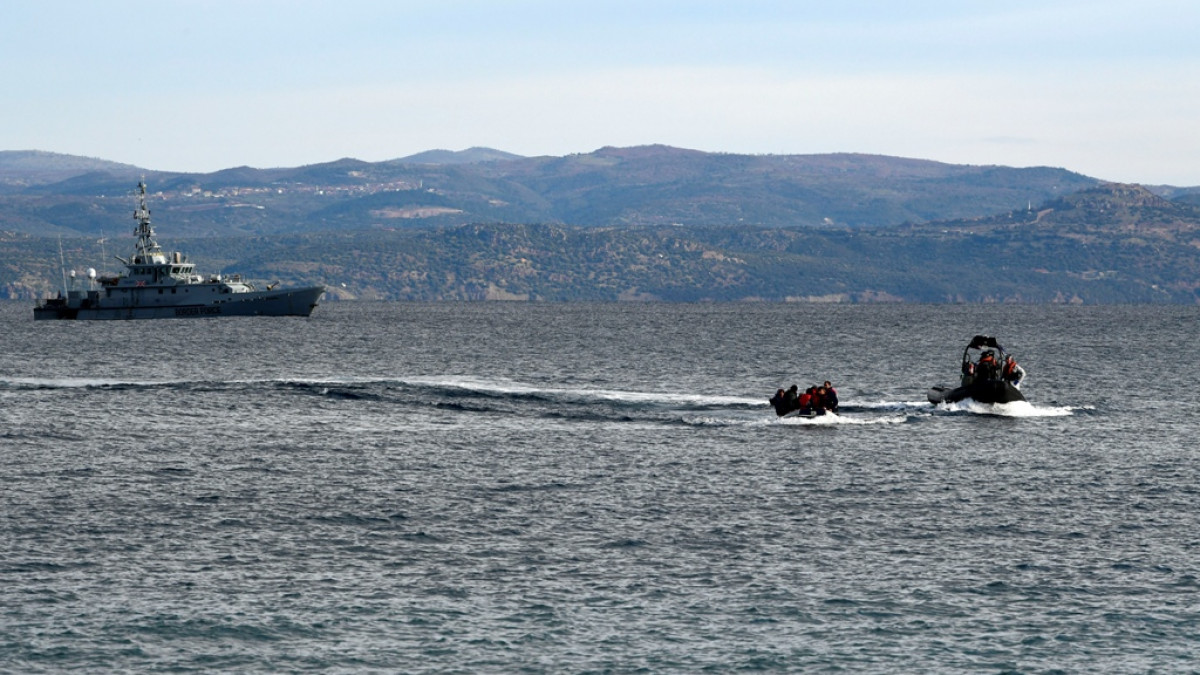
With a new Joint Ministerial Decision (JMD) issued on 7 June,[1] the Greek State designates Turkey as a “safe third country” for families, men, women and children of five nationalities[2] seeking international protection in Greece. It is noted that the JMD applies even to those from countries with high recognition rates for international protection, such as Syria, Afghanistan and Somalia.[3] This decision reinforces the policy established by the March 2016 EU-Turkey Statement that shifts the responsibility to protect refugees, including unaccompanied children,[4] arriving in Europe to third countries.
For years, the effect of this externalisation policy has been to turn the Greek islands into a place of confinement for thousands of displaced and persecuted people, as authorities prioritised “containing” them on the islands to facilitate their return to third countries. This created places like Moria that became shameful symbols of Europe’s failure to protect refugees. But the solution is not to send displaced individuals to Turkey. In Turkey, people seeking asylum from non-European countries are not granted international protection per the 1951 Refugee Convention, while in March 2021 Turkey announced it would withdraw from the Istanbul Convention, and will thus not be protecting victims of gender-based violence, who are at an increased risk in case of return from Greece, based on the new JMD. People should not be returned to a country where their lives would be in danger, but multiple reports over recent years warn of the refoulement of refugees from Turkey, even to war zones in Syria.[5] Furthermore, the concept of a “safe third country” presupposes the existence of an essential connection between the asylum seeker and that country, as well as the consent of the third country to receive the returnee. These conditions are not met in the case of Turkey.
The decision to designate Turkey as a “safe third country”, should be revoked for the aforementioned reasons. Furthermore, the unworkability of this new law is highlighted, since as far back as March 2020, Turkey is not accepting the return of refugees and asylum seekers from Greece. This has been pointed out by Greece’s Ministry of Migration and Asylum as well as the European Commission.[6] Refugees whose applications have been rejected as inadmissible according to the “safe third country” principle, are already enduring a situation of protracted legal uncertainty, social exclusion, destitution, homelessness, and even prolonged detention in Greece, which is at risk of turning into a prison.[7] This JMD will serve only to increase the number of people in such a situation.
In fact, as has been pointed out in relevant interventions by the Greek Ombudsperson, and more recently in a reply by the Commissioner for Migration and Home Affairs of the European Commission,[8] in these cases applicants must be able to re-apply for asylum, and have their applications examined on their merits, in accordance with EU and national law.[9]
In line with a recent announcement by the UN High Commissioner for Refugees (UNHCR),[10] our organisations stress that “externalization simply shifts asylum responsibilities elsewhere and evades international obligations”. We once again call on the Greek and European authorities to honour their responsibility to protect refugees and to avoid further undermining the European asylum acquis and the fundamental principles and values for protecting human rights. To this end, we call on Greece to revoke the JMD issued on 7 June.
Signatories:
Action for education
ΑRSIS – Association for the Social Support of Youth
Better Days
Centre Diotima
ECHO100PLUS
ELIX
Equal Rights Beyond Borders
Europe Must Act
European Lawyers in Lesvos (ELIL)
Fenix – Humanitarian Legal Aid
Greek Council for Refugees (GCR)
Greek Forum of Migrants
Greek Forum of Refugees (GFR)
Greek Helsinki Monitor
Hellenic League for Human Rights (HLHR)
HumanRights360
Human Rights Legal Project
Initiative for the Detainees’ Rights
International Rescue Committee (IRC)
INTERSOS
INTERSOS Hellas
Irida Women’s Center
Legal Centre Lesvos
Lesvos Solidarity
Lighthouse Relief
Médecins du Monde – Greece
METAdrasi- Action for Migration and Development
Mobile Info Team (MIT)
Network for Children’s Rights
Network for the Social Support of Refugees and Migrants
Odyssea
Refugees International
Refugee Law Clinic Berlin
Refugee Legal Support (RLS)
Refugee Rights Europe (RRE)
Refugee Support Aegean (RSA)
Samos Volunteers
SolidarityNow
Still I Rise
Terre des hommes Hellas
————————————-
[1] Joint Ministerial Decision (JMD) 42799/2021, Gov. Gazette 2425/Β/7-6-2021, available in Greek at: .
[2] The JMD applies to nationals of Afghanistan, Syria, Somalia, Bangladesh and Pakistan
[3] Indicatively, in 2020, the rate of positive decisions issued by the Greek Asylum Service (GAS) for asylum applicants from Somalia was 94.1%, from Syria 91.6% and from Afghanistan 66.2%. RSA, “Asylum statistics for 2020 A need for regular and transparent official information”, 11 February 2021, available at: .
[4] According to the latest available statistics issued by the National Center for Social Solidarity (EKKA), 68% of unaccompanied children that have been identified in Greece are from Syria, Afghanistan and Pakistan. Accordingly, and in any case, the implementation of the JMD is not in line with the principle of the best interests of the child and the protective provisions of the International Convention on the Rights of the Child. On the latest available statistics see EKKA, Situation Update: Unaccompanied Children (UAC) in Greece, 15 May 2021, available at: .
[5] Amongst others: EASO, Syria Situation of returnees from abroad: Country of Origin Information, June 2021, available at: , pp. 12-13; AIDA, Country Report Turkey (May 2021 update), 31 May 2021, available at: ; DW, “Amnesty: Turkey forced Syrian refugees back into war zone”, 25 October 2019, available at: ; ECRE, “Human Rights Watch report: push backs of Syrian refugees by Turkey”, 30 March 2018, available at: ; Human Rights Watch, “Turkey: Syrians Pushed Back at the Border”, 23 November 2015, available at: .
[6] Amongst others: Ministry of Migration and Asylum, “Request by Greece towards the EU for the immediate return 1,450 third country nationals under the Joint EU-Turkey Statement”, 14 January 2021, available in Greek at: ; European Commission, Commission Staff Working Document: Turkey 2020 Report, 6 October 2020, available at: , p. 48.
[7] It is noted that the majority (65.8%) of international protection applications that were submitted in Greece in 2020 regarded asylum seekers from the 5 countries that are stated in the JMD. Ministry of Migration and Asylum, Annual briefing 2020, 19 January 2021, available in Greek at: , p.13.
[8] EN P-000604/2021, Answer given by Ms Johansson on behalf of the European Commission (1.6.2021), διαθέσιμο στα αγγλικά στο: .
[9] Article 38, para. 4 Directive 2013/32/EU on common procedures for granting and withdrawing international protection (recast) and article 86, para. 5 L. 4636/2019 (also known as “IPA”).
[10] UNHCR, “UNHCR warns against “exporting” asylum, calls for responsibility sharing for refugees, not burden shifting”, 19 May 2021, available at: .
“Αpart from being a source of inspiration, collaboration teaches us new things. Still, the most important thing is that collaboration creates bridges of understanding, comprehension, love, care, and solidarity. Bridges necessary in order to build the most expensive form of capital, trust”, underlines Antigone Lyberaki, General Manager of SolidarityNow.
The Athens Solidarity Center* by SolidarityNow opened in 2014 and operates as a hub of solidarity and cooperation, adhering to the policy of “open doors”: it supports everyone without exception with the sole criterion being their vulnerability.
Partnerships are a structural element of the Athens Solidarity Center’s identity. Their aim is to respond to the needs of the most vulnerable populations with practical solutions. As part of its operation, the Athens Solidarity Center has developed partnerships with many Civil Society organizations that offer diverse work in fields such as: legal support, medical care, employability services, children’s space, social and psychological services, support to parents and adolescents via helpline.
In this video, representatives of the following organizations: Network for Children’s Rights, Afghan Migrants & Refugees Community in Greece, Amala and Refugees Legal Support, describe the type of their collaboration with the Athens Solidarity Center and emphasize the value of the work done jointly.
*Since May 2019 the Athens Solidarity Center is financed by EEA Grants, with CROWE Greece and HumanRights360 as the fund operator. The Center is also supported by the Municipality of Athens.
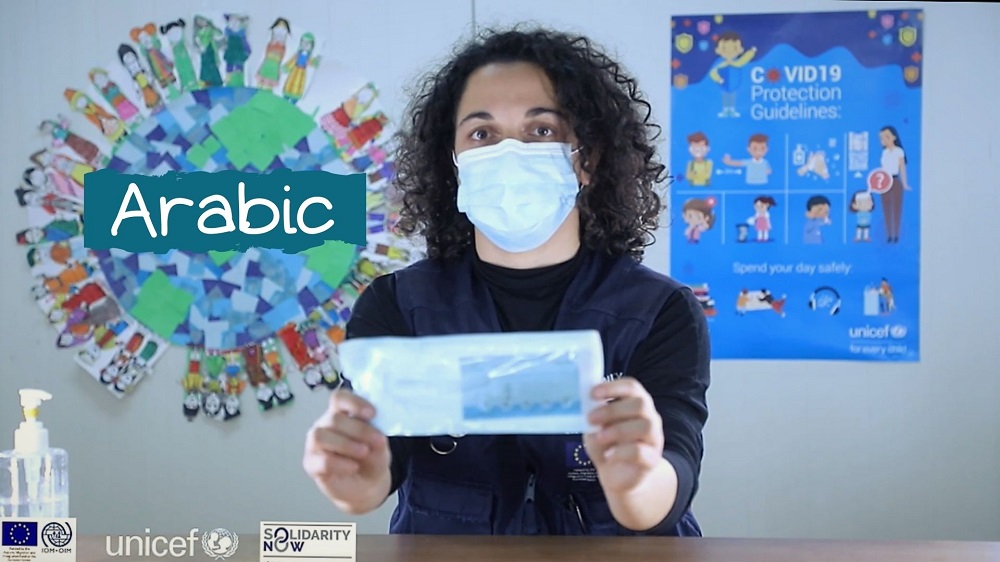
The SolidarityNow team, following the instructions of EODY (National Public Health Organization) and of the Greek Ministry of Education and Religious Affairs, with the support of IOM Greece (International Organization for Migration), created simple and comprehensible videos with instructions for the proper use of self-tests for all children, translated into 8 different languages: English, French, Arabic, Farsi, Kurmanji, Sorani, Urdu and Somali.
The videos are posted on SolidarityNow’s social media pages and channels and the beneficiaries of the “Child & Family Support Hubs” in the 14 open refugee and migrant accommodation structures that the organization operates in have been informed about them and are already consulting them.
The production of those videos is a joint initiative of SolidarityNow, UNICEF Greece and IOM Greece, in the broader context of the actions implemented with the aim of continuously informing parents, guardians and children about the pandemic and the necessary protection measures.
Find them here: https://youtube.com/playlist?list=PL3_NlSfsgtzQBo6tMWoo5IZoB__Do936Y
*SolidarityNow’s “Child & Family Support Hubs” (CFSH) program is supported by UNICEF Greece and IOM Greece with funding by the EuropeanUnion.
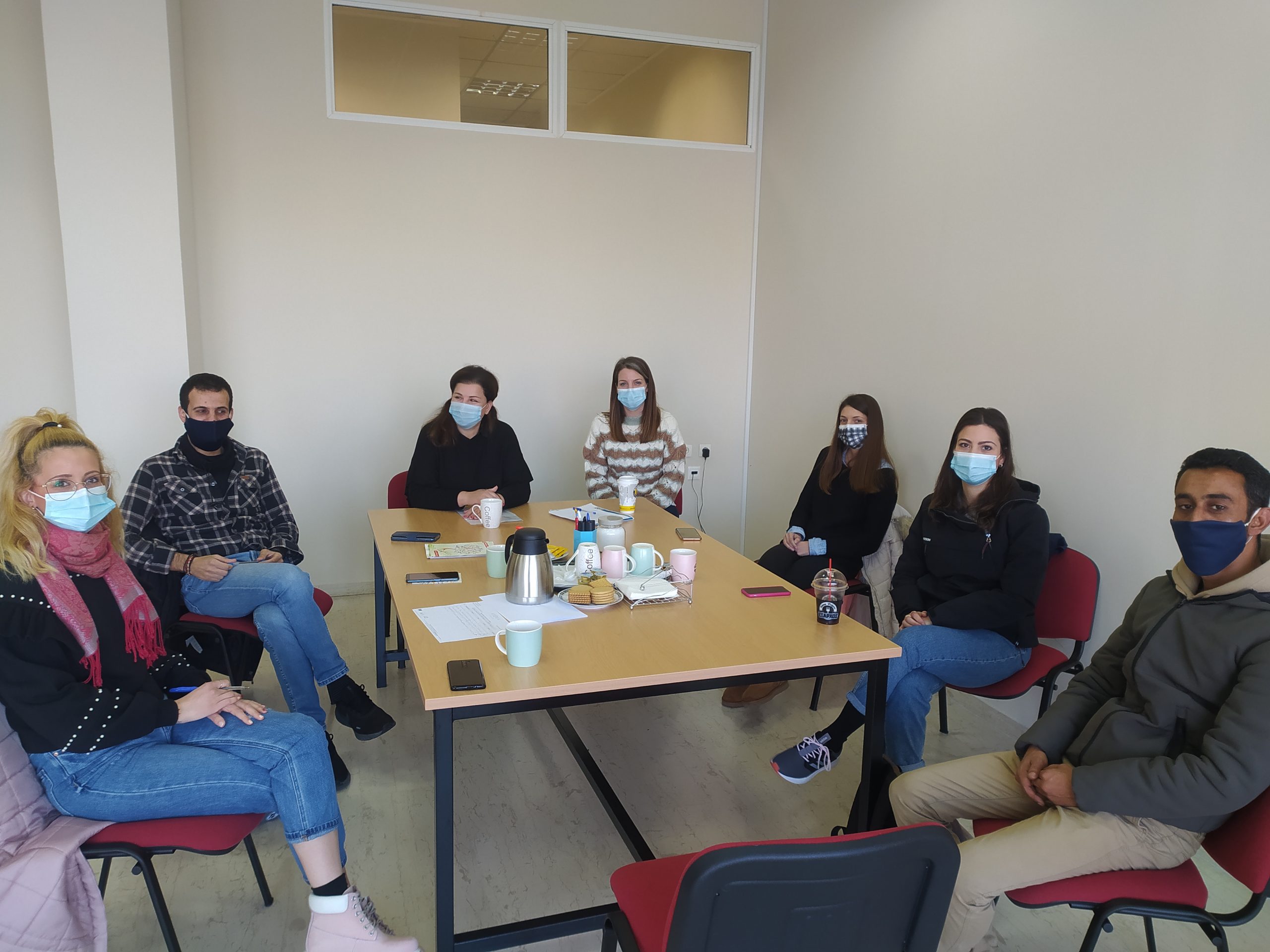
The action concerned two types of interventions, as it was addressed to both the staff and the beneficiaries of the SolidarityNow’s accommodation structures.
Firstly, meetings were held with the staff of the accommodation places of Perama and Konitsa, where there was information-awareness on addiction issues and ways to cope with situations of substance abuse or addiction (internet, gaming, gambling). In the structure of Velventos, the action was implemented in collaboration with KETHEA of Western Macedonia.
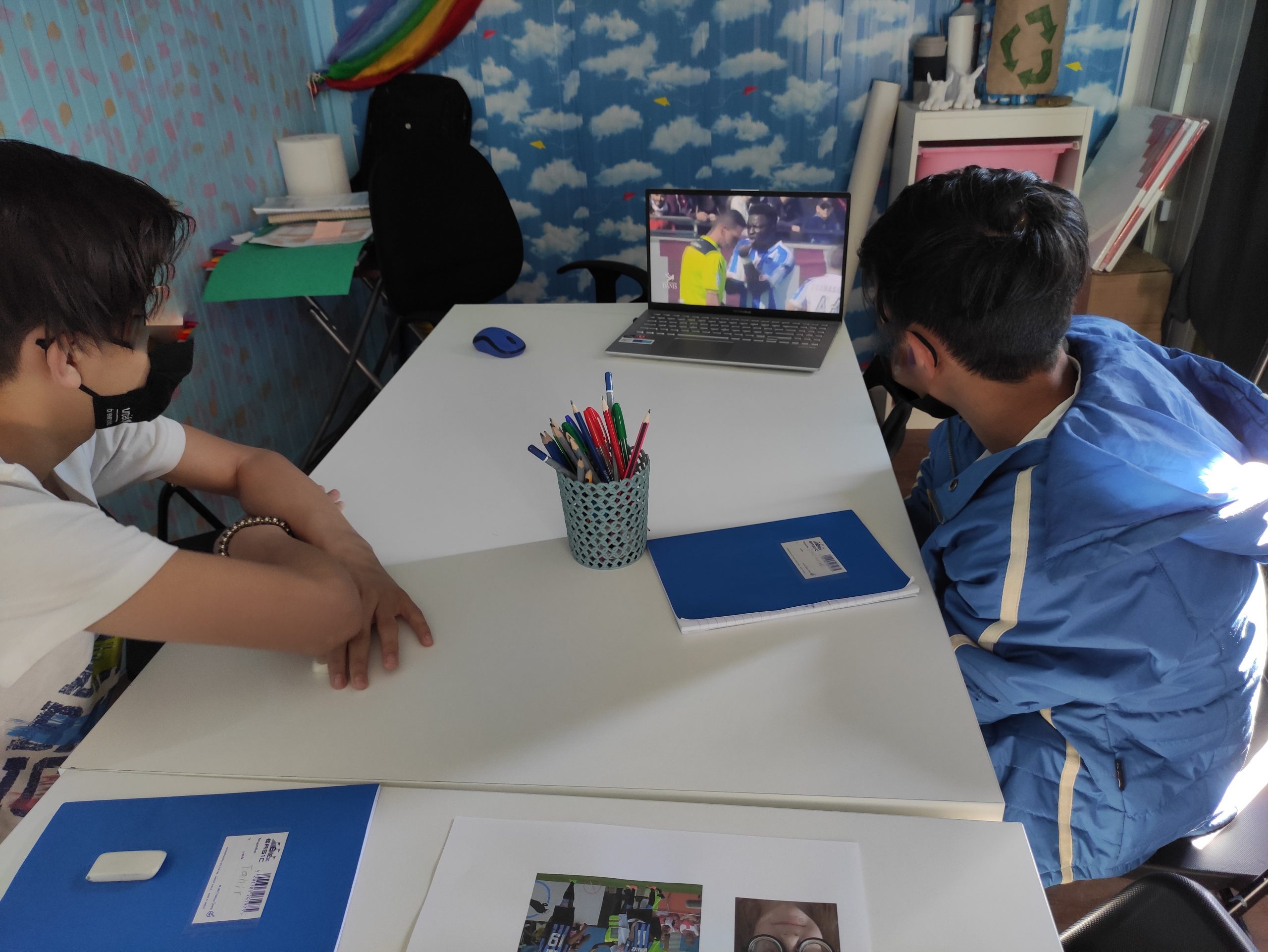
Afterwards, secondary prevention actions were carried out in the accommodation areas of unaccompanied children of SolidarityNow, which were addressed to the adolescent beneficiaries.
More specifically, during the intervention, there was information about the services of KETHEA and about addiction issues, through the use of information material and video projection. Issues and difficulties faced by adolescents were also discussed, as well as concerns about substance abuse and addictive behaviors.
In conclusion, emphasis was placed on strengthening identity and individual skills, through the encouragement to set goals and the development of effective ways of managing difficulties.
*SolidarityNow provides care and support services to 175 unaccompanied children, in three temporary accommodation facilities in northern Greece, in the prefectures of Kozani and Ioannina. This emergency intervention is implemented under the general coordination of the Special Secretariat for the Protection of Unaccompanied Minors, the cooperation of the International Organization for Migration (IOM Greece) and the support of the European Commission.
2020, was the fourth consecutive year of operation for the “Child and Family Support Hubs”* (CFSH) program by SolidarityNow. Despite the challenges 2020 presented for all of us, the CFSH program continued to provide services in 14 refugee camps in mainland Greece, reaching more than 12,000 refugees and asylum seekers. The program caters to children, women and families, supporting them to find their footing in refugee camps and to start looking towards their future.
4th phase of the program: January-December 2020
The whole year was marked by the Covid-19 pandemic that swept the entire world, as well as by the ever-changing local developments across the camps of the mainland. Despite the challenging circumstances, field teams maintained their focus to the program’s service pillars, child protection and non-formal education, combining field presence with remote modalities to ensure beneficiaries have access to services even when the pandemic reached its crux.
The CFSH program’s achievements:
For the CFSH program’s field teams each case is unique, hence the approach adapts to the specific needs of each beneficiary, always towards their best interest. Depending on the nature of each case, the teams respond to emergency incidents, but are also present on site to provide day-to-day support. The new challenge this year presented had, of course, to do with Covid-19. However, field teams rose to the occasion, supporting vulnerable beneficiaries even when in quarantine.
Education cannot wait.
During the challenging times of the global pandemic, our presence (virtual or physical) has been key in maintaining touch with the refugee communities and combatting the feeling of isolation caused by the restrictions of movement. In a year where school access was problematic at best, the non-formal education component of the project innovated methods to continue to reach children and enable them to continue their educational pathway. In-person lessons were supplemented with online educational platforms and physical distribution of learning materials; no matter the gravity of the pandemic, teachers found a way to continue to be on their students’ side.
The 2021 target: Child Protection and Education in 14 sites across the country
SolidarityNow continues the CFSH program into 2021. 2020 has taught us to expect the unexpected – in 2021, our teams will carry that insight and continue to devote their best efforts to providing holistic child protection and non-formal education services through the Hubs.
* The “Child and Family Support Hubs” program is jointly supported by UNICEF Greece and IOM Greece with funding by the European Union.