

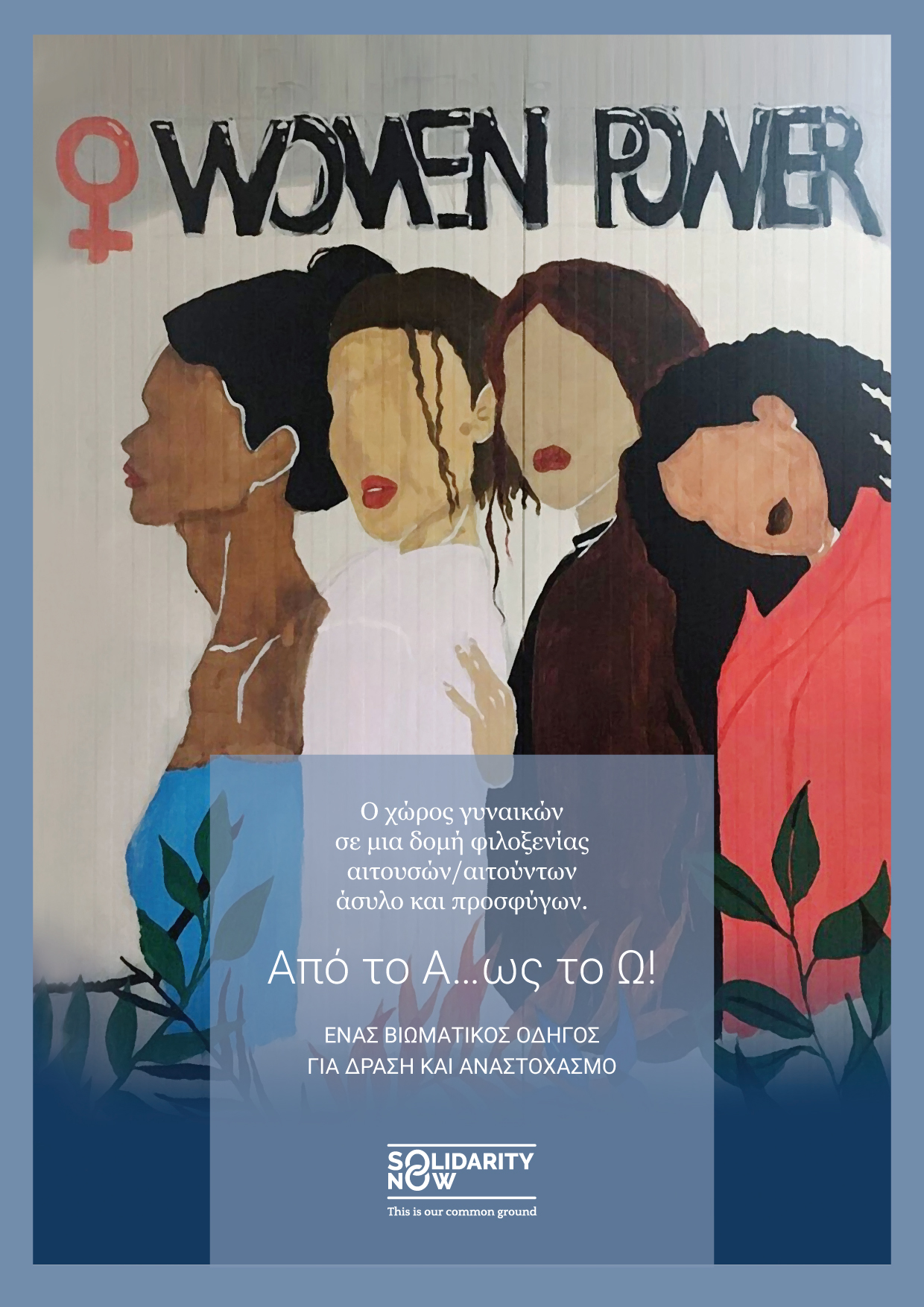
(Ελληνικά) ΒΙΩΜΑΤΙΚΟΣ ΟΔΗΓΟΣ ΔΡΑΣΗΣ ΣΕ ΧΩΡΟΥΣ ΓΥΝΑΙΚΩΝ

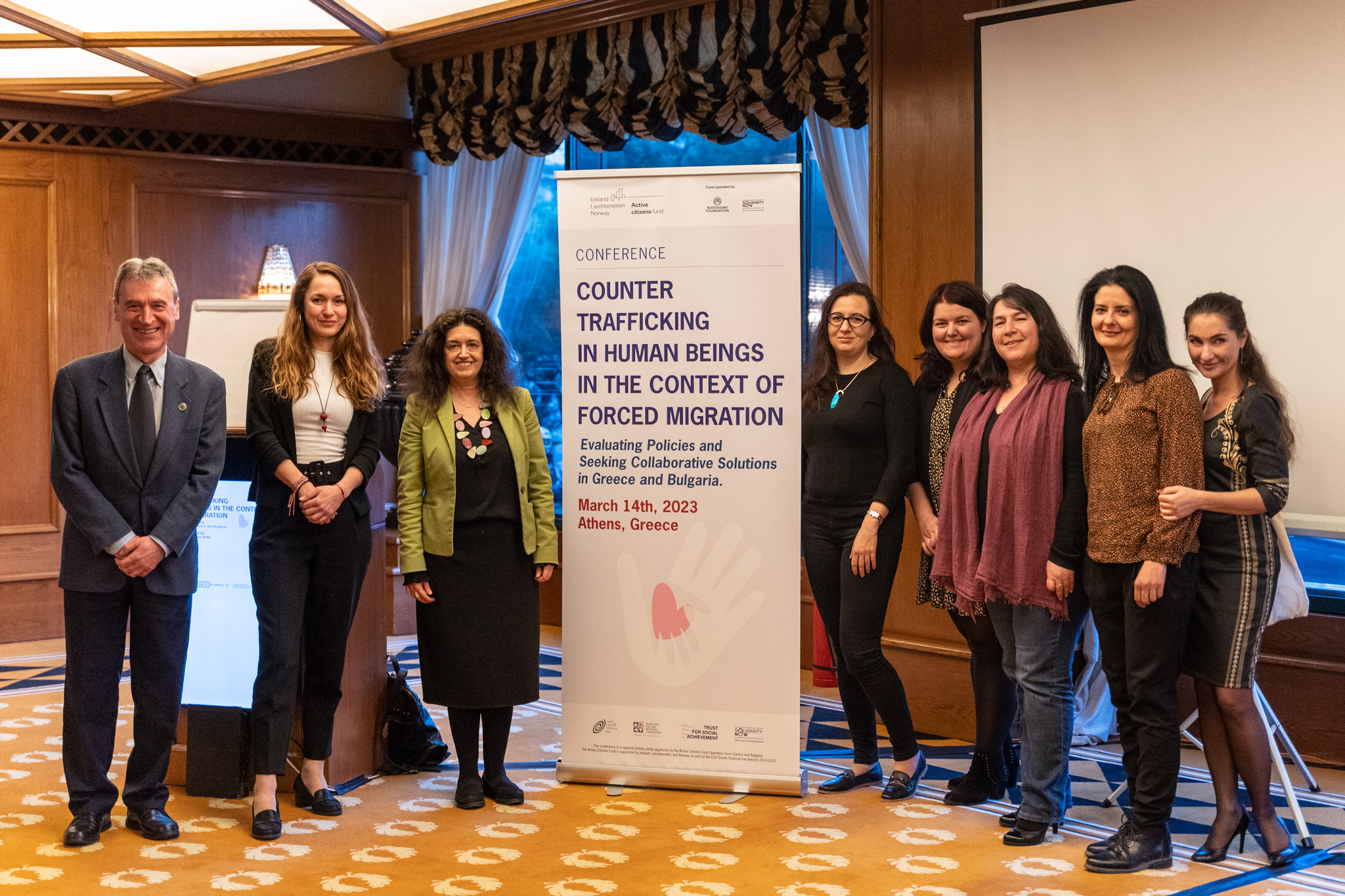
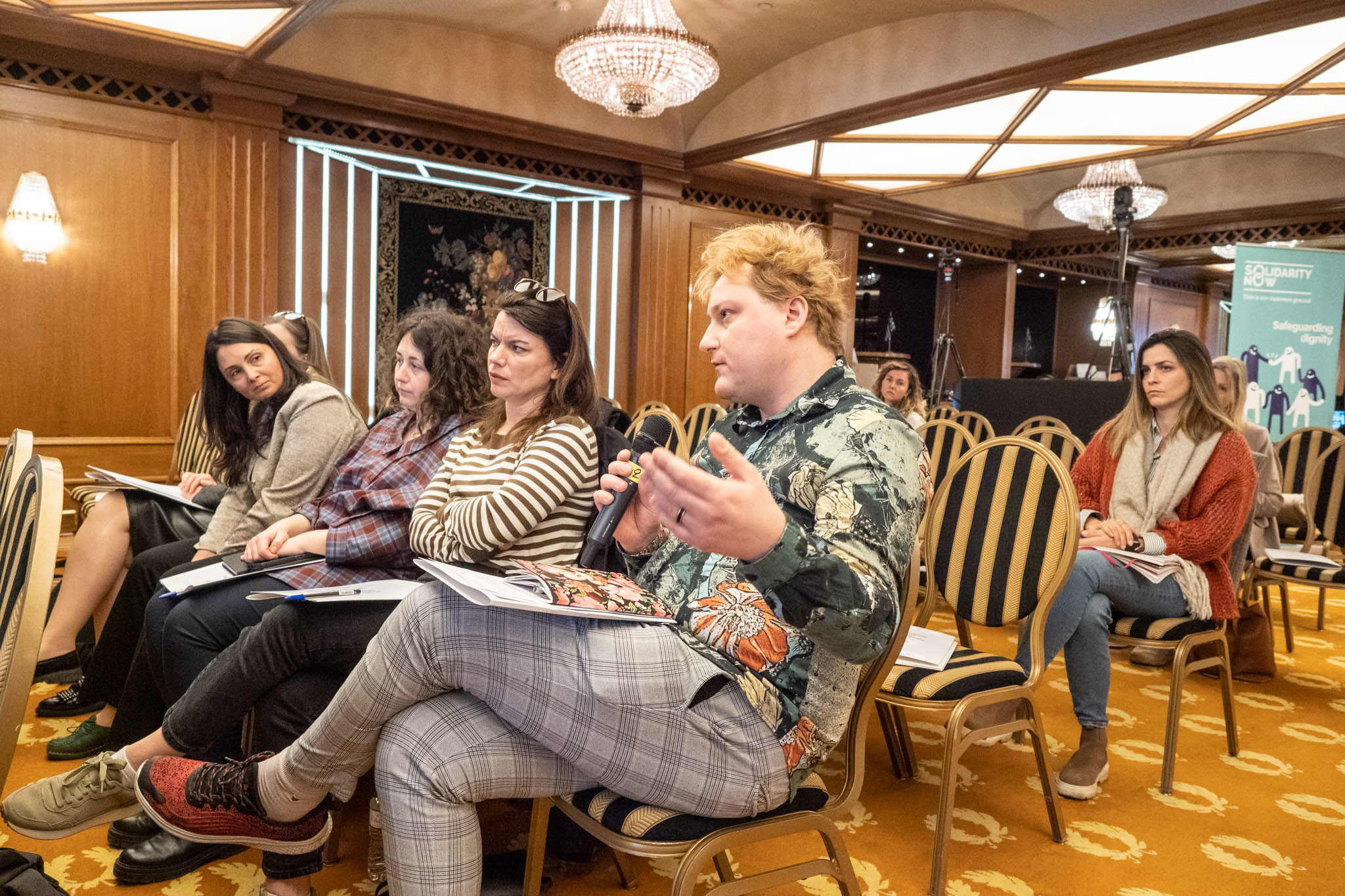
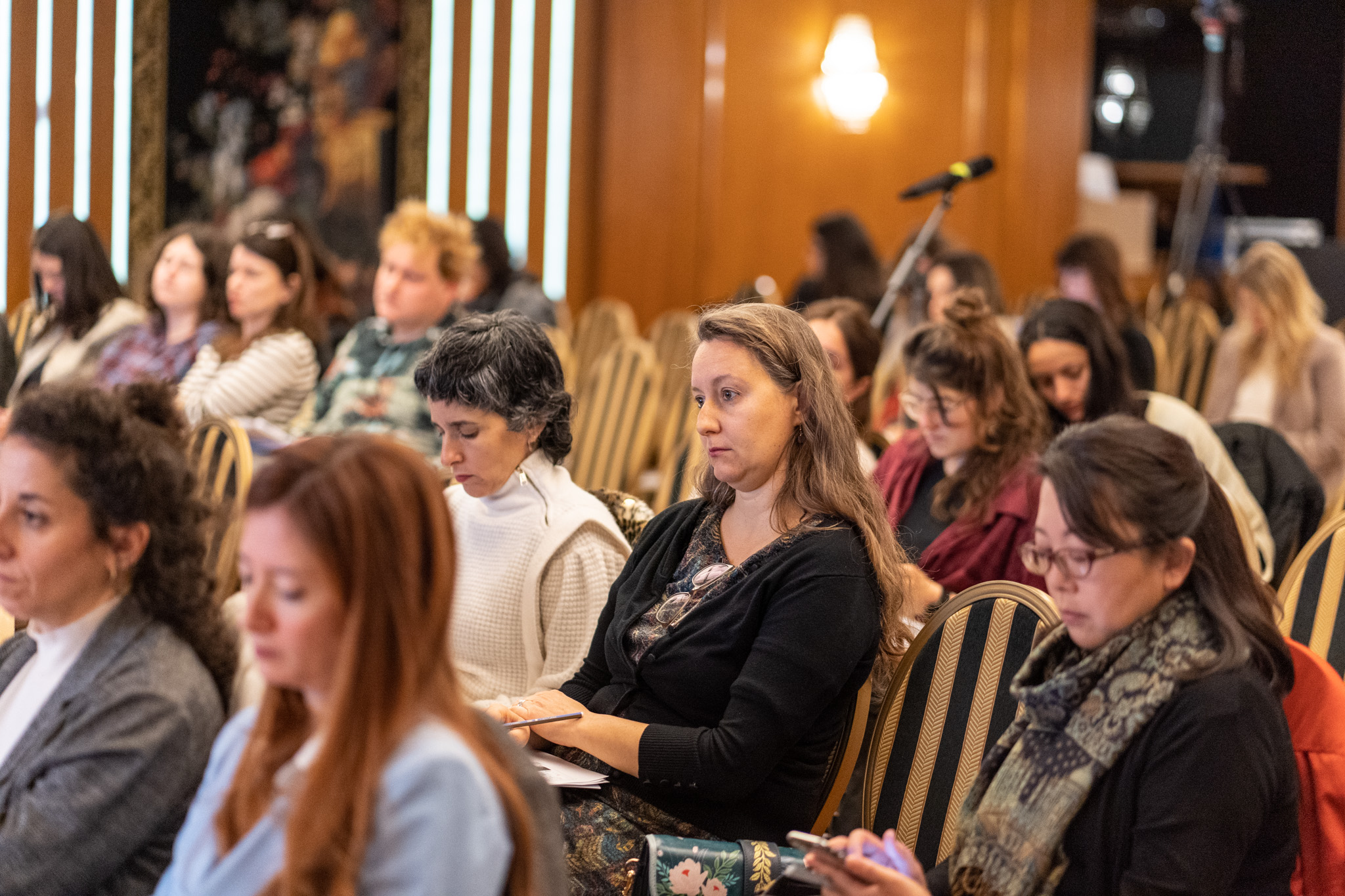
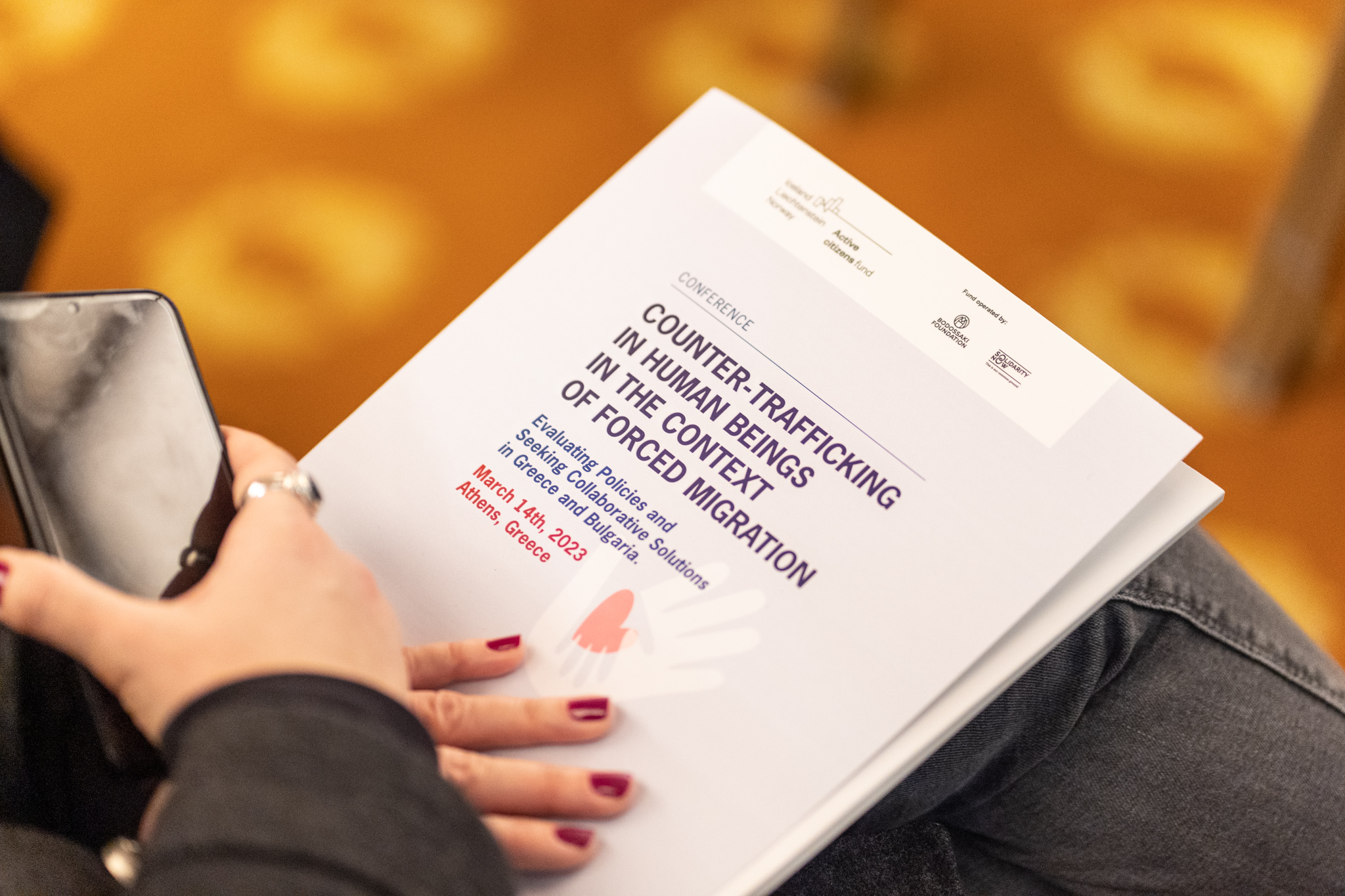
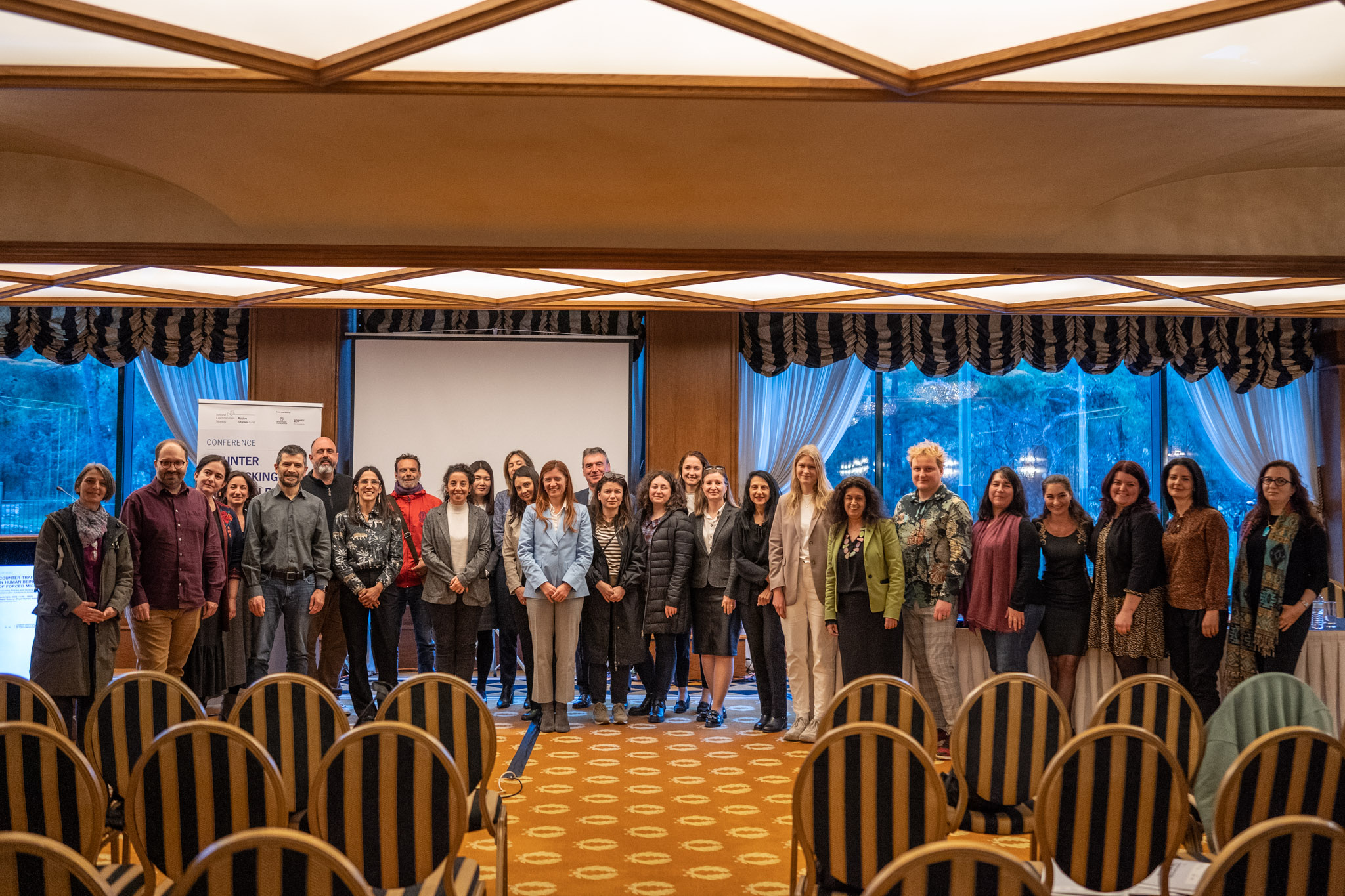
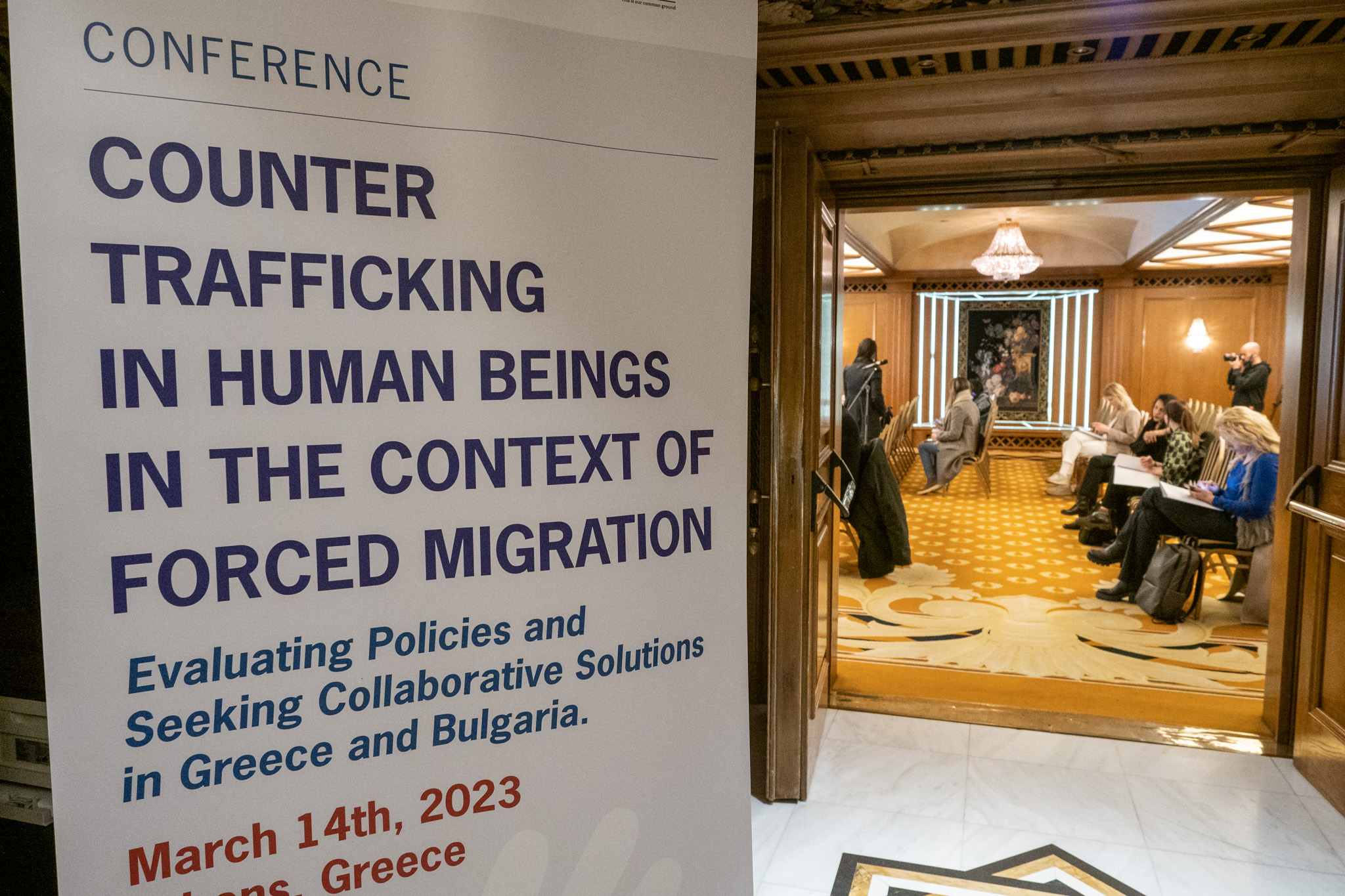
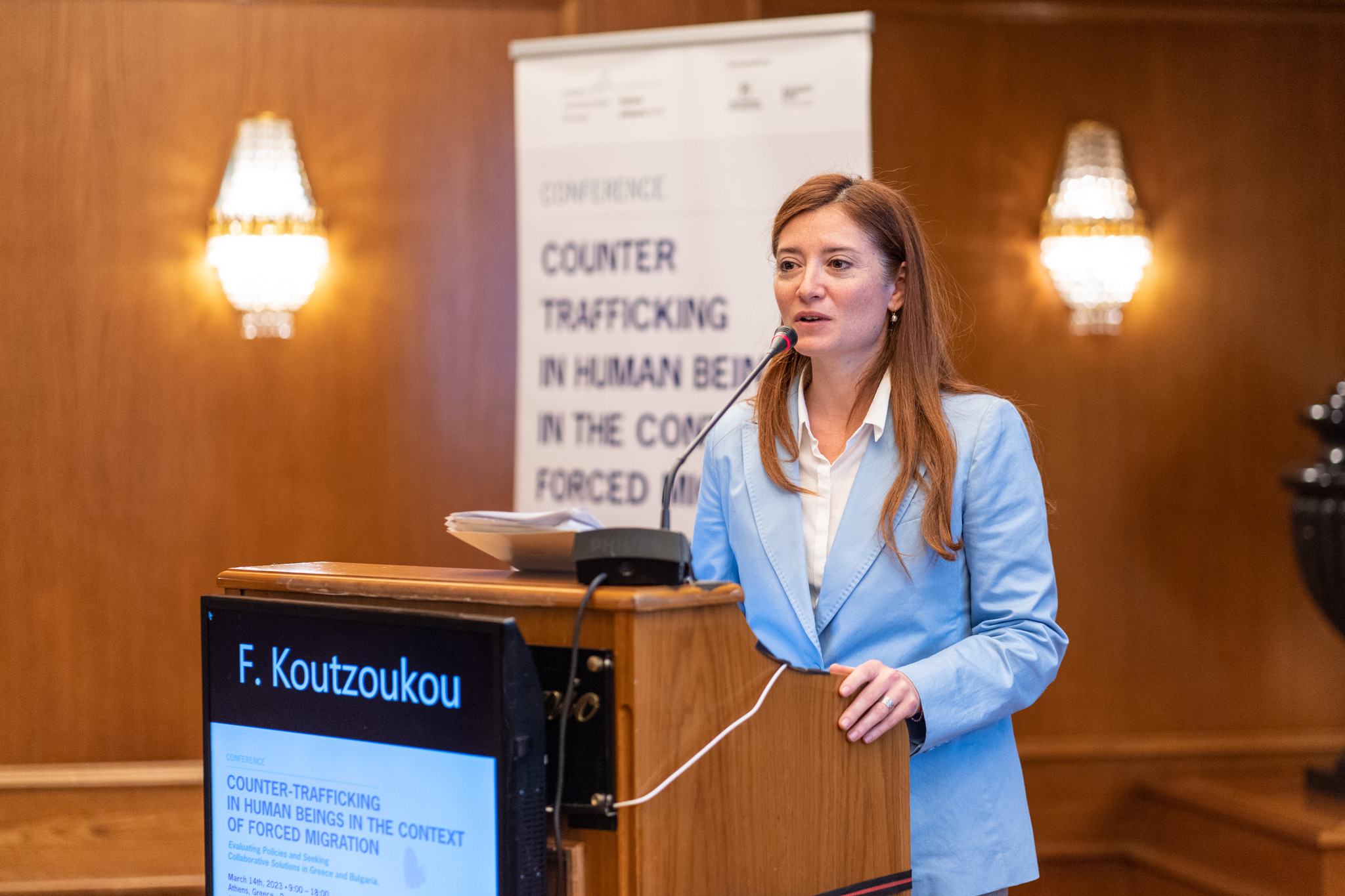
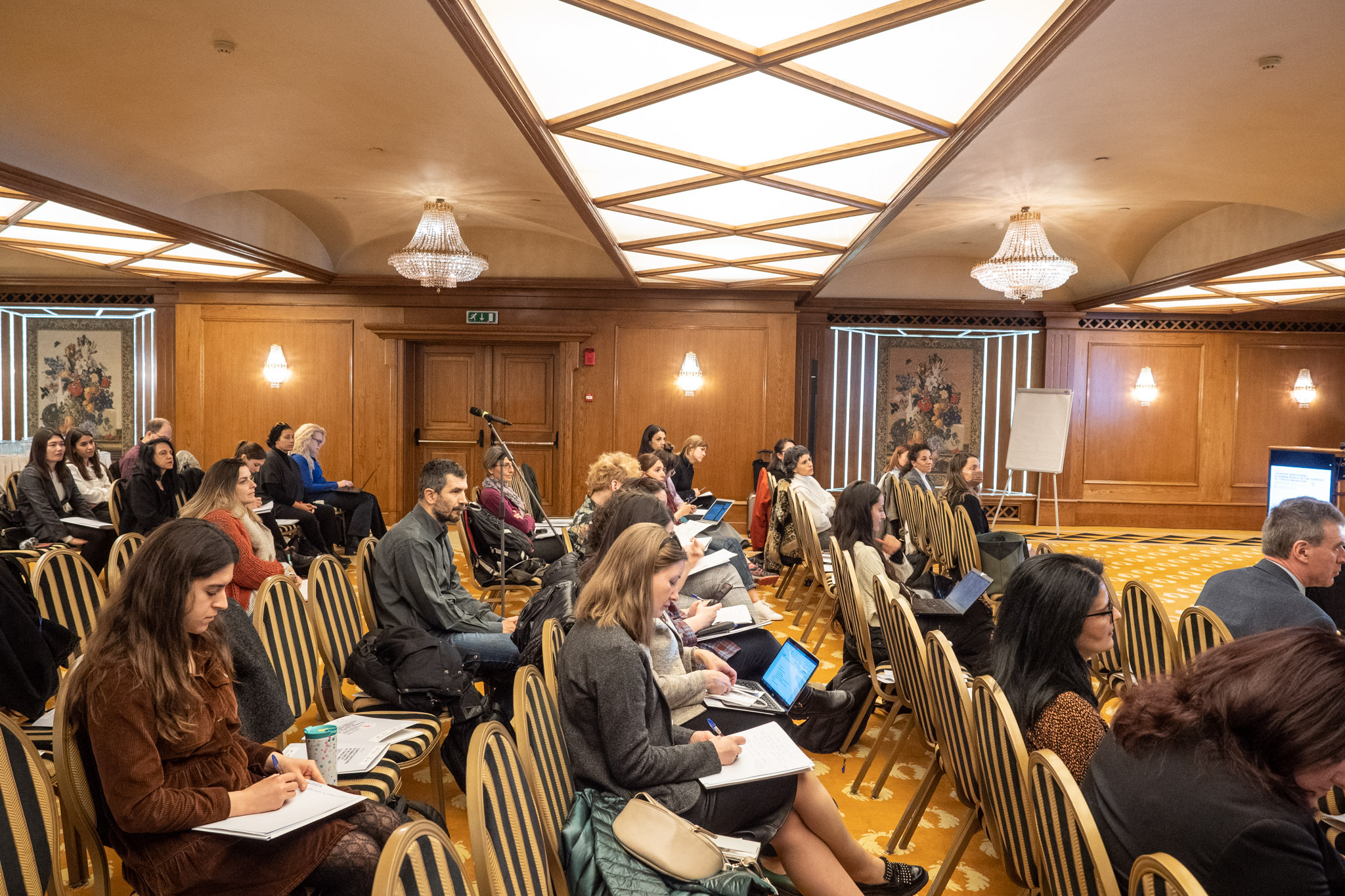
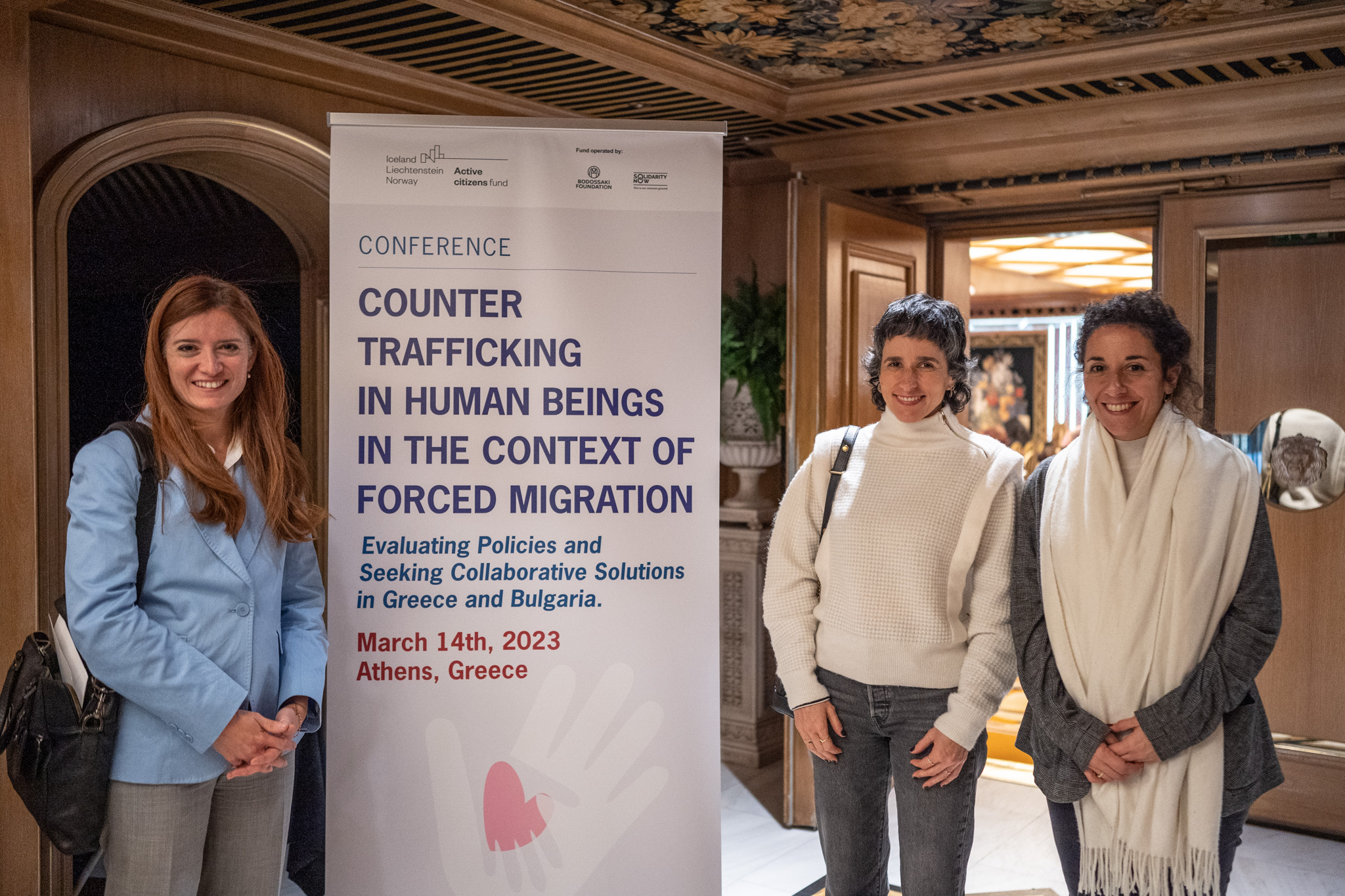
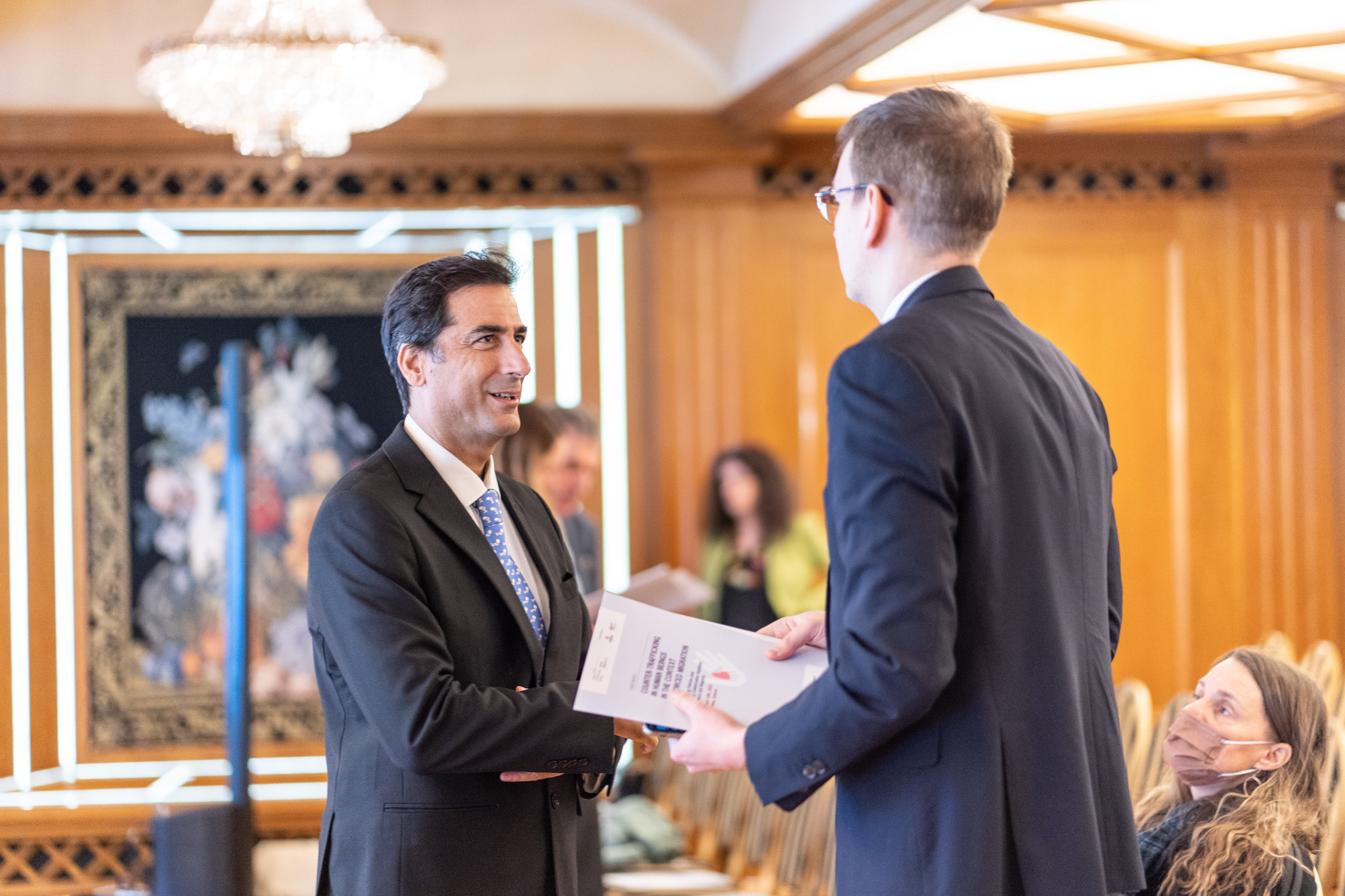
The conference was organized on March 14 in Athens by the administrators of the Active Citizens Fund program in Greece – SolidarityNow, Bodossaki Foundation – and in Bulgaria – Open Society Institute Sofia, Workshop for Civic Initiatives Foundation and Trust for Social Achievement. The participants included representatives from the Council of Europe, the Academic Area, Embassies, institutional bodies, and international, European and local civil society bodies, which are actively involved in issues related to trafficking in human beings, migration and the protection of human rights.
Bulgaria is mainly a country of origin of human trafficking victims, while Greece is a transit or destination country. According to data from the National Referral Mechanism for the Protection of Victims of Trafficking in Human Beings in Greece for 2020, out of the 167 victims registered, 74 were children and 33 of them originating from Bulgaria.
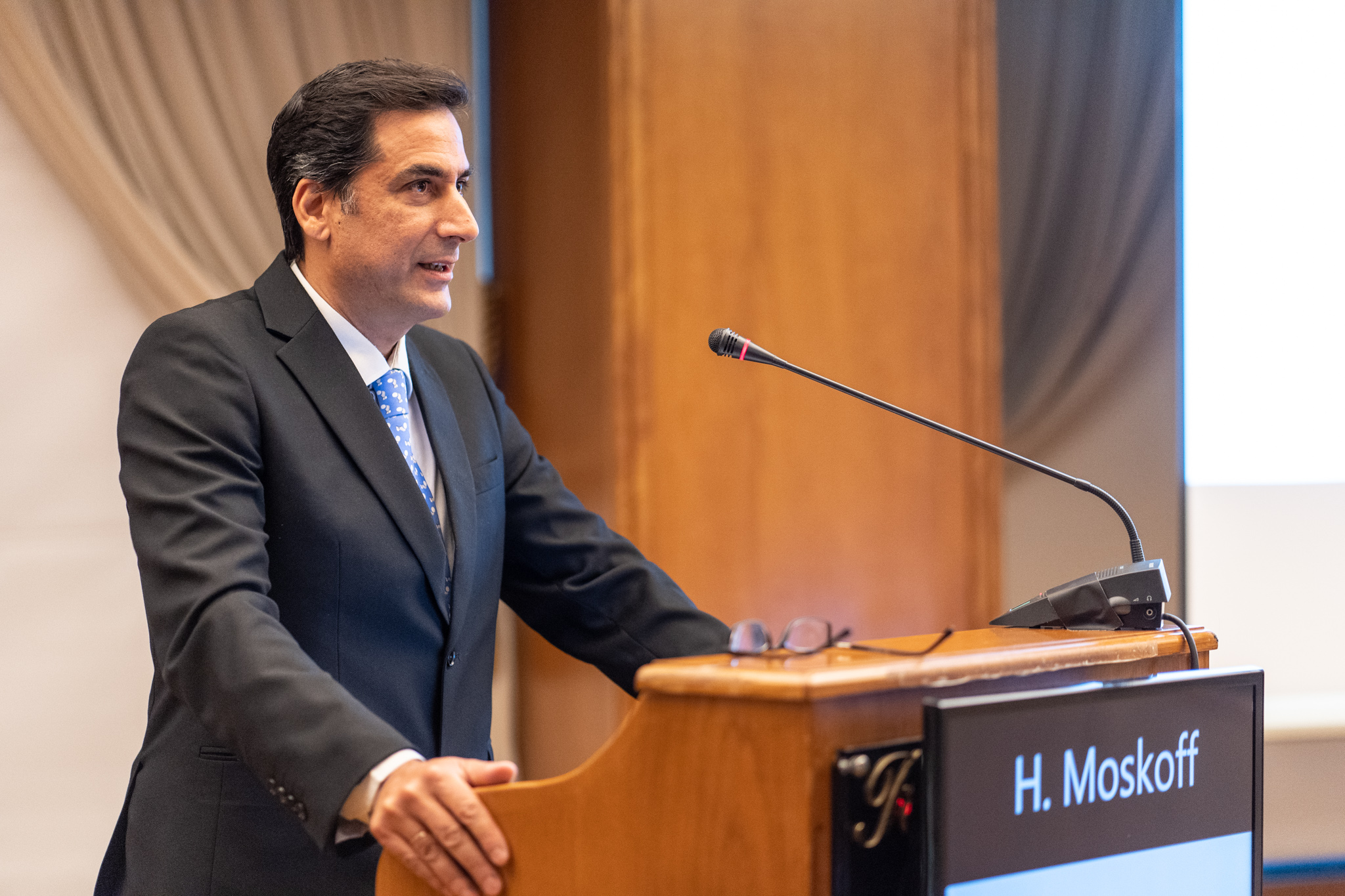
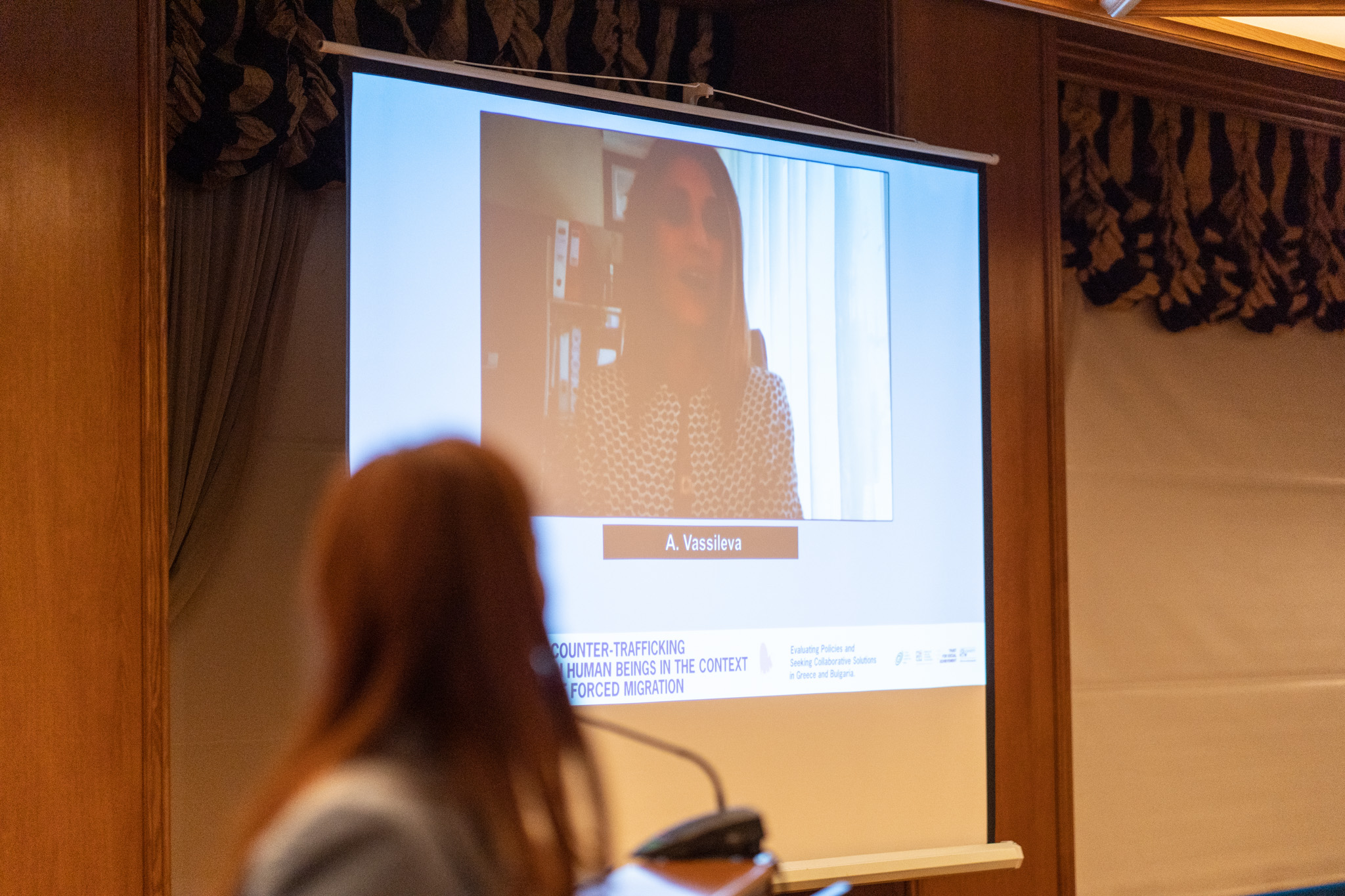
During the conference, the need for transnational cooperation was emphasized, among others, by the Vice-President of the Council of Europe’s Group of Experts on Action against Trafficking in Human Beings (GRETA), Ms. Antoaneta Vassileva and the Special Secretary for the Protection of Unaccompanied Minors and former Head of the Office of the National Rapporteur on Combating Trafficking in Human Beings, Mr. Heracles Moskoff, who honored the conference with their presence.
Ms. Vassileva stressed that “The governments of both countries should secure the funding for the implementation of actions against human trafficking. In addition, the use of the national referral mechanism is considered necessary and, equally important is the continuous education and training in the identification of potential victims by the professionals involved, police officers, lawyers, social workers, psychologists. Human trafficking is actual an invisible crime, which today in the digital environment is becoming even more invisible. Protecting victims is a collective duty and should be at the top of the agenda.”
During his speech, Mr. Moskoff underlined: “Human trafficking knows no borders and national laws. The goal of the slave traders is profit and their product is humans. To prevent all those who exploit human dignity, we need to overcome conventional perceptions and build a multidisciplinary cooperation between the state, international organizations and civil society in terms of Preventing the phenomenon, Suppressing crime and Protecting victims with a more inclusive and victim-centered approach. Respectively, and aiming at prevention, we operate the National Emergency Response Mechanism for the early identification and immediate accommodation of unaccompanied minors living in precarious conditions or homelessness. To date, more than 3,258 children have benefited from the mechanism.”
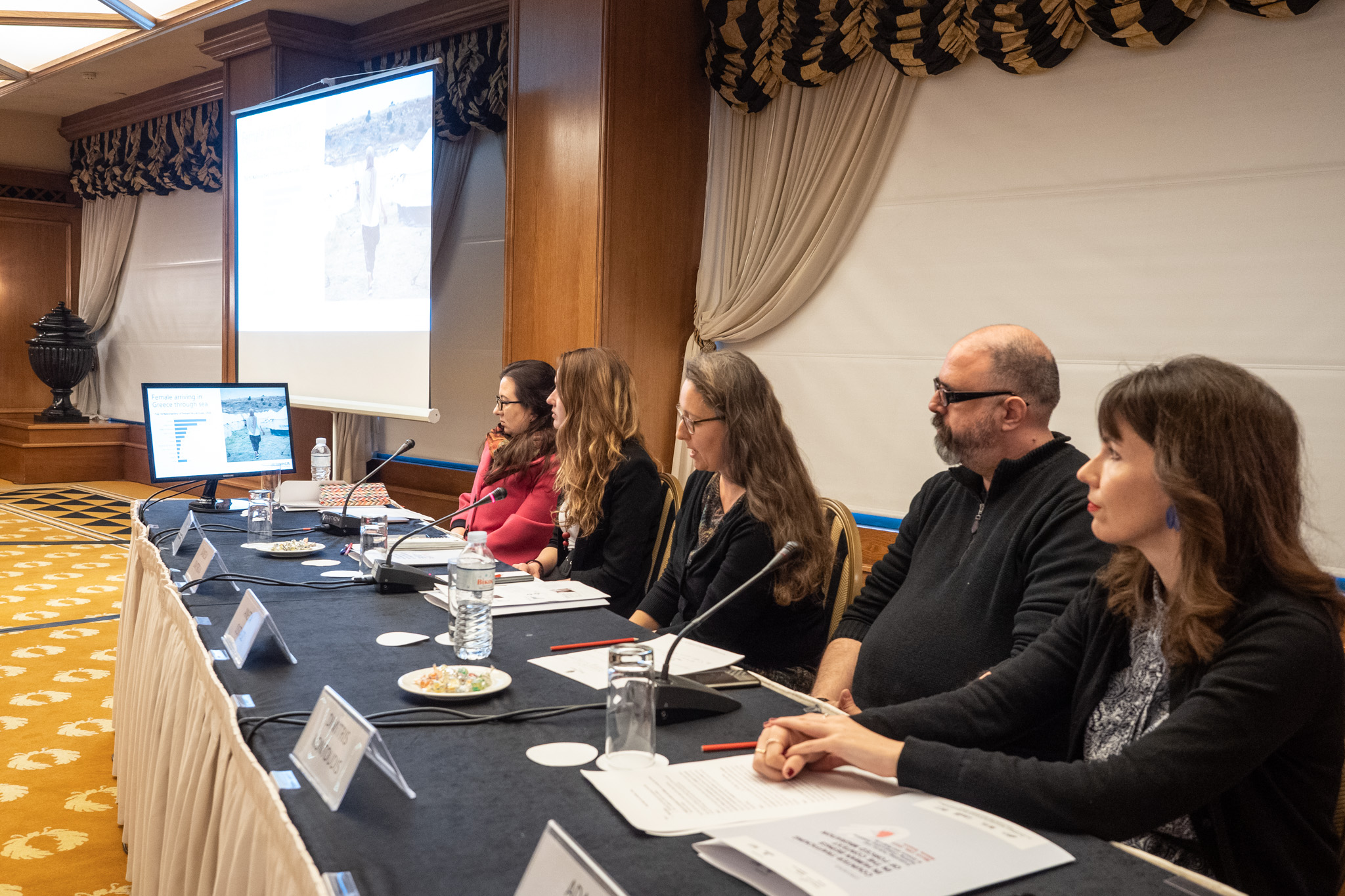
The conference program included three panel discussions with more than 20 prominent speakers, who focused on the three critical aspects of the issue: the protection of victims through the analysis of existing protection systems and the application of victim-centered approaches; the exchange of best practices to prevent and reduce trafficking in human beings and the identification of the obstacles depriving victims’ of accessing justice.
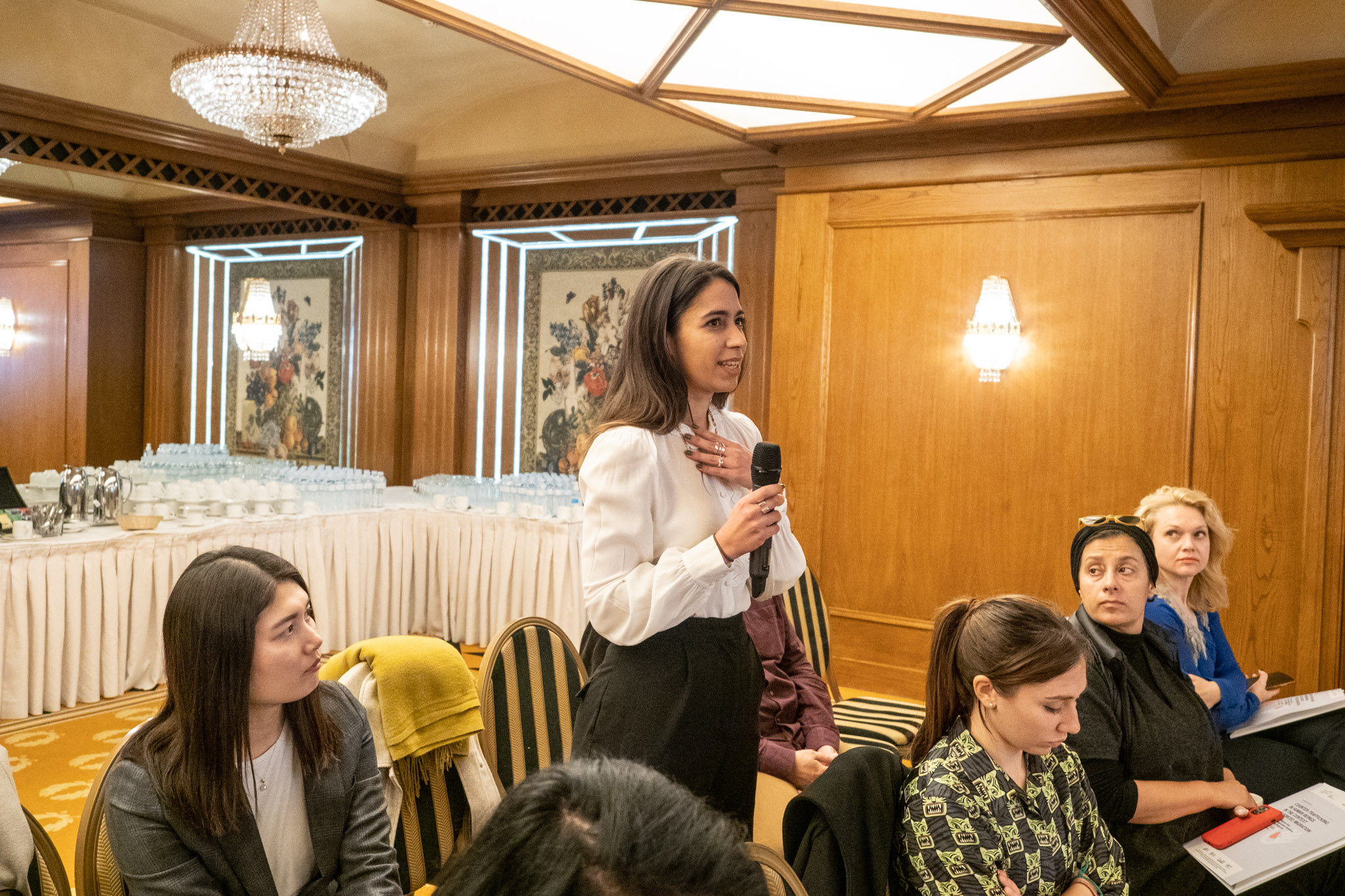
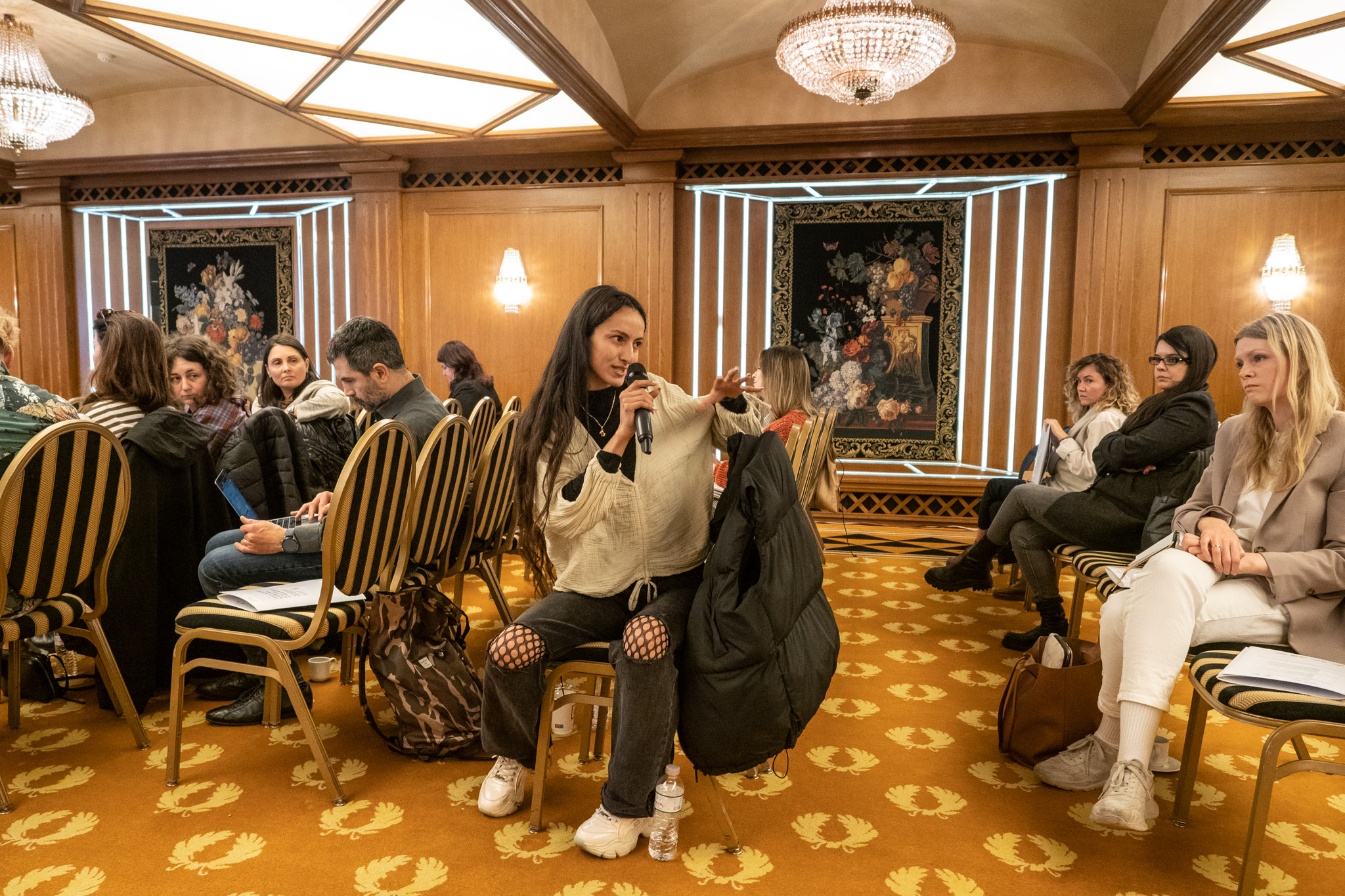
The discussions and the productive exchange of views between the speakers and the participants underscored that, due to their vulnerable status, migrants/refugees are potential victims, while special reference was made to e-trafficking as the new way of approaching potential victims. A common ground was the need for prevention through information, education and awareness-raising of all stakeholders, including both institutional bodies and services, but also all the dynamic parts of societies and citizens.
Worldwide, according to the International Labor Organization, 40.3 million people are victims of trafficking, 75% of them are women and girls, and 1 in 4 are children.
*The conference is a regional action of the Active citizens fund program, fund operated in Greece by Bodossaki Foundation in consortium with SolidarityNow.
The Active citizens fund in Greece is supported through a € 13.5 m grant from Iceland, Liechtenstein and Norway as part of the EEA Grants 2014 – 2021. The programme aims to develop the sustainability and capacity of the civil society sector in Greece, and to strengthen its role in promoting and safeguarding democratic procedures, active citizenship, and human rights. The Fund Operator for the Active citizens fund in Greece is Bodossaki Foundation in consortium with SolidarityNow.
Starting Date: ASAP
Status: Full Time
Child Safeguarding Policy: Level 1 – The job holder does not have regular contact with children
Reports To: Head of Finance & HR Manager
The Payroll/HR Officer is responsible for the proper handling of the payroll process of the Association and all employment issues according to the Labor Legislation.
Responsibilities:
Requirements:
If you are interested in applying, please send your CV and motivation letter to recruitment@solidaritynow.org mentioning in the email subject “Payroll & HR Officer”.
SN is an equal opportunity employer. Persons with disabilities and from vulnerable and disadvantaged groups are strongly encouraged to apply.
Recruitment processes reflect SN’s commitment to keeping children safe from harm and abuse. Employment is subject to SN Child protection standards, including background checks and adherence to SN Child Safeguarding Policy.
Due to the urgency of recruitment, SN reserves the right to complete the process as soon as the suitable candidate has been identified. Interested candidates should submit their applications (CV and motivation letter) not later than by April 17th, 2023.
Only short-listed candidates will receive a written reply.

We, the undersigned, 16 organisations, members of the Child’s Rights Advocacy Network, working to support asylum-seeking and refugee children in Greece, wish to express our concerns about the proposed provisions for unaccompanied and separated children in a newly proposed Immigration Code and call on Greek authorities to reconsider Article 162 of this Code and amend it so that and updated version covers the serious legal gap currently facing unaccompanied children and ensures the rights of all unaccompanied children in practice, including once they have reached adulthood, or will soon reach adulthood, which is currently not the case.
Last week, we were both alarmed and disappointed to see that the newly proposed Immigration Code was suddenly published for an unrealistically short period of public consultation on 7 to 14 March 2023, without sufficient time provided for meaningful review and recommendations to ensure it aligns with what is best for unaccompanied children or that it addresses the significant gaps in legal status these children continue to face in Greece.
We are compelled to express our collective concern regarding not only the insufficient consultation provided, but also the content of the proposed new code, which does not offer solutions for the vast majority of unaccompanied children who remain outside the asylum system. Instead, the proposal seems set to create even more challenges for these children, increasing their barriers to gaining legal status in the country.
This comes despite the explicit commitment we received from the Deputy Minister of Migration and Asylum, Ms. Sofia Voultepsi, during the event “Children without documents, children at risk. Until when?” organized on July 12, 2022 by members of the Child Rights Advocacy Network. Both at that time and since, the Deputy Minister stated that there was a “clear political will” to address the gap in the legal status faced by unaccompanied migrant children in the country, before and after they reach adulthood.
And, yet the criteria stipulated in the new regulation of how adult citizens from third countries or stateless persons who entered Greece as unaccompanied minors can obtain a ten-year residence permit fail to reflect the reality on the ground.
With this legislative initiative, an important opportunity is lost; that of protecting and acknowledging unaccompanied and separated children who ultimately remain outside the asylum system. Absolutely no provision is included in the proposed bill for unaccompanied children whose request for international protection is rejected while they are minors. This is contrary to the best interests of the child, which should guide the decisions of all public authorities, but also contrary to public statements by these same relevant authorities. As a result, unaccompanied children are once again left without legal documents and exposed to all forms of exploitation, without substantial access to protection, health benefits or education.
As for unaccompanied children who become adults while in Greece, in order to receive the ten-year residence permit, the new Code requires them to have a permanent authorisation of stay in the country, i.e. a permanent residence permit. But, if these unaccompanied children who have just come of age had already secured such an authorisation, they would not even need the legislative intervention introduced by this article in the first place. This, in fact, despite the Prime Minister’s own statement on January 17, 2023 that “unaccompanied children turning 18 that have completed three (3) years of education should rightfully be given the possibility to remain in the country and to join the Greek state if they so wished.”
However, in addition to requiring that they already have a permanent residency permit, and already successfully completed at least three (3) grades of the Greek formal education, the potential beneficiaries of the ten-year residence permit must also have been accepted at either a Vocational Apprenticeship School of the Public Employment Service, a Vocational Training School, or a higher educational establishment.
This last requirement that they must have obtained admission to one of the above schools is particularly onerous since only a very limited number of unaccompanied minors who have reached adulthood can meet this condition. After all, experience in the field has shown us that, for unaccompanied children, even a 3-year “successful” attendance at the Greek school is a significant challenge. This is due to systemic and chronic issues impeding the effective inclusion of children with a migrant/refugee background in the Greek school system, causing a student population of “two speeds”.
Finally, we wonder why the second-generation children will now be left without a residency permit (see paragraph b of the above article). Previously, they were able to obtain one with the provisions of Law 4251/2014 regardless of their parents’ status, as long as they had established strong ties with the country (birth in Greece, school attendance, etc.).
The signatory organizations of the Children’s Rights Advocacy Network believe that a special residence permit should be granted to unaccompanied children solely based on the fact that they are children and that they are transitioning to adulthood, aiming to safeguard the best interest of each unaccompanied child in the country.
THE CO-SIGNING ORGANISATIONS
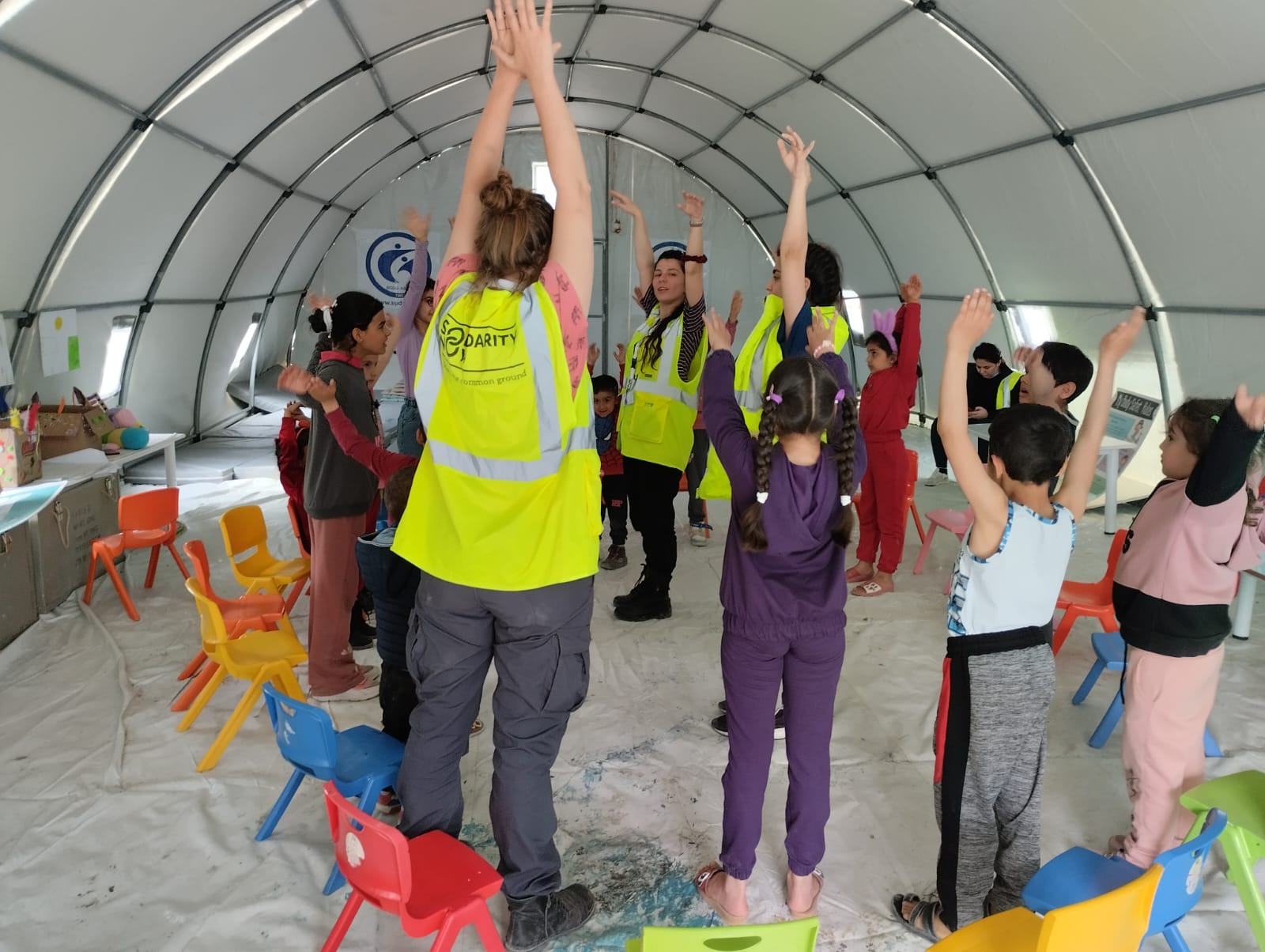
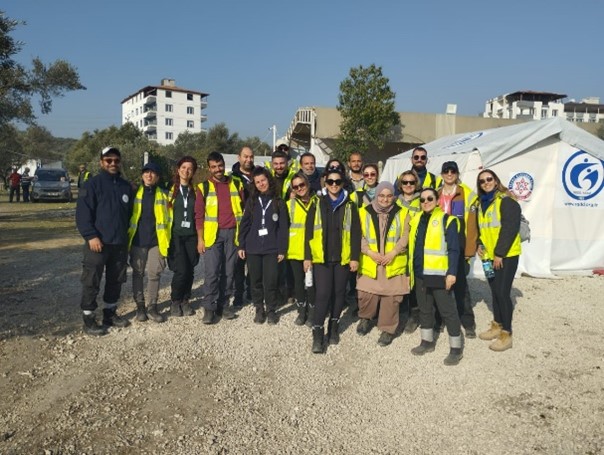
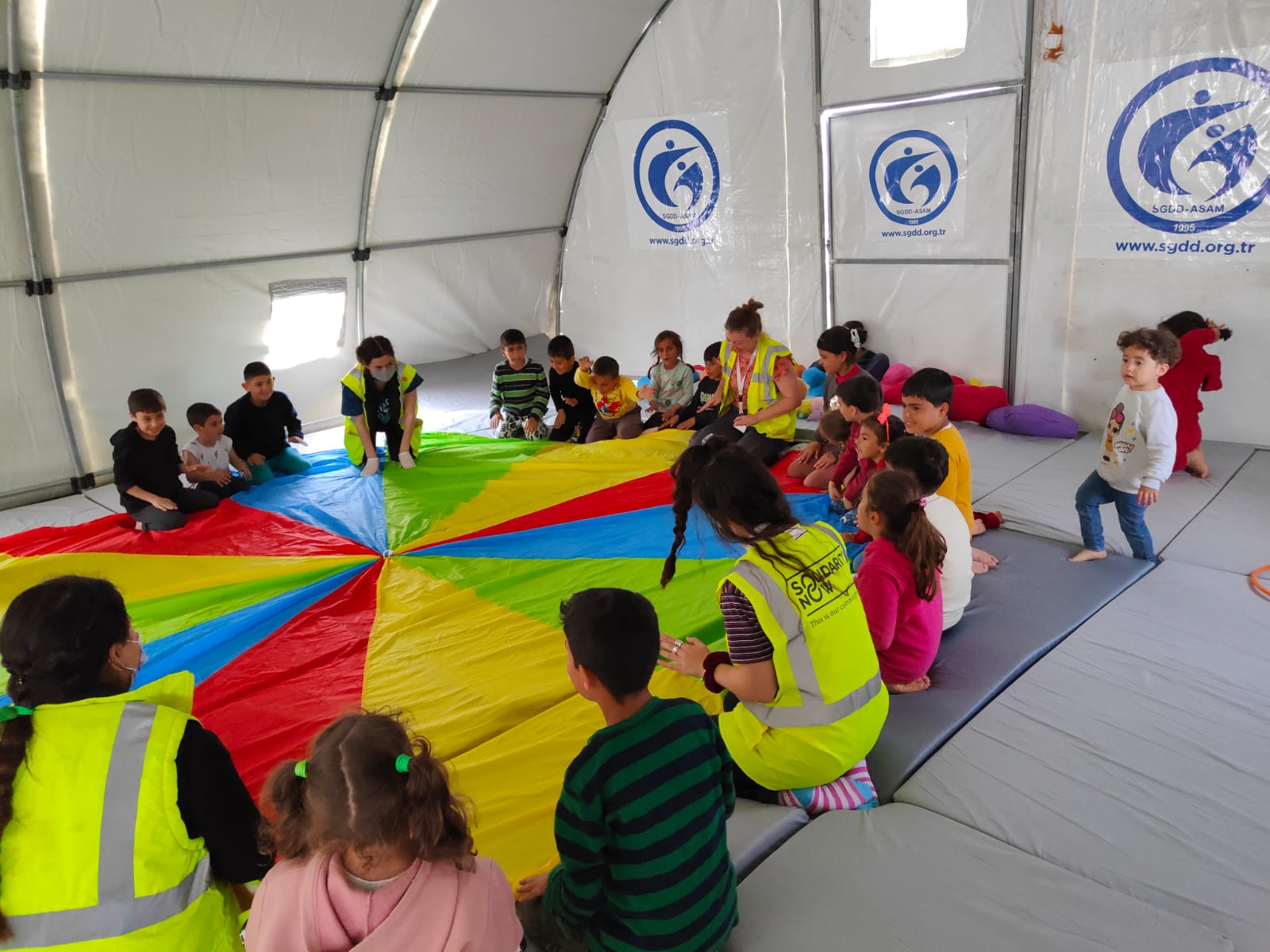
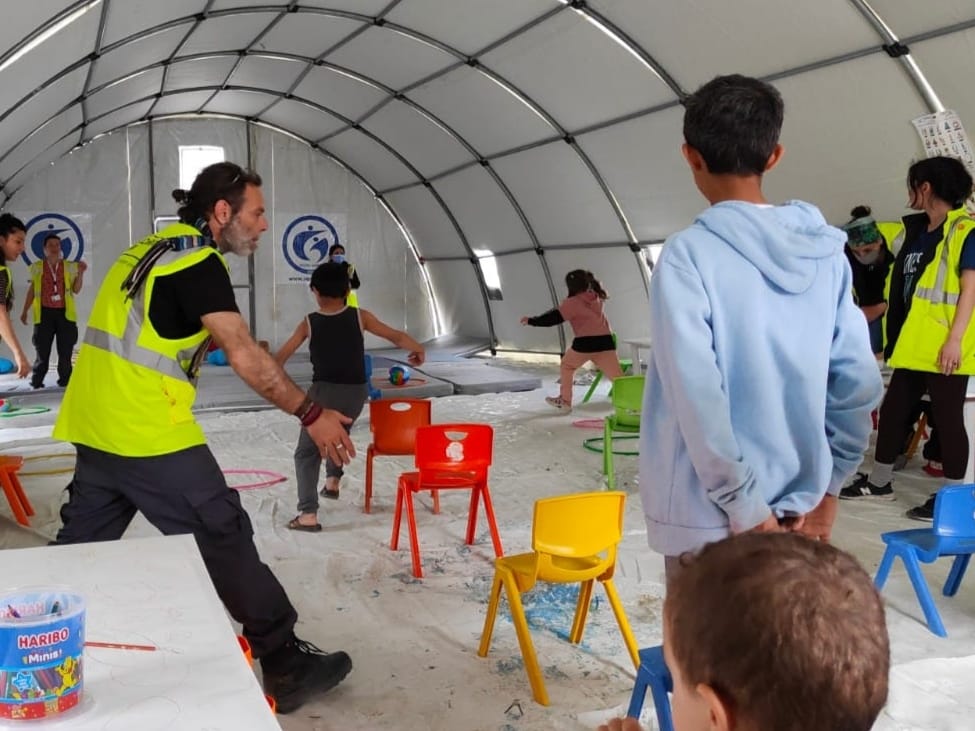
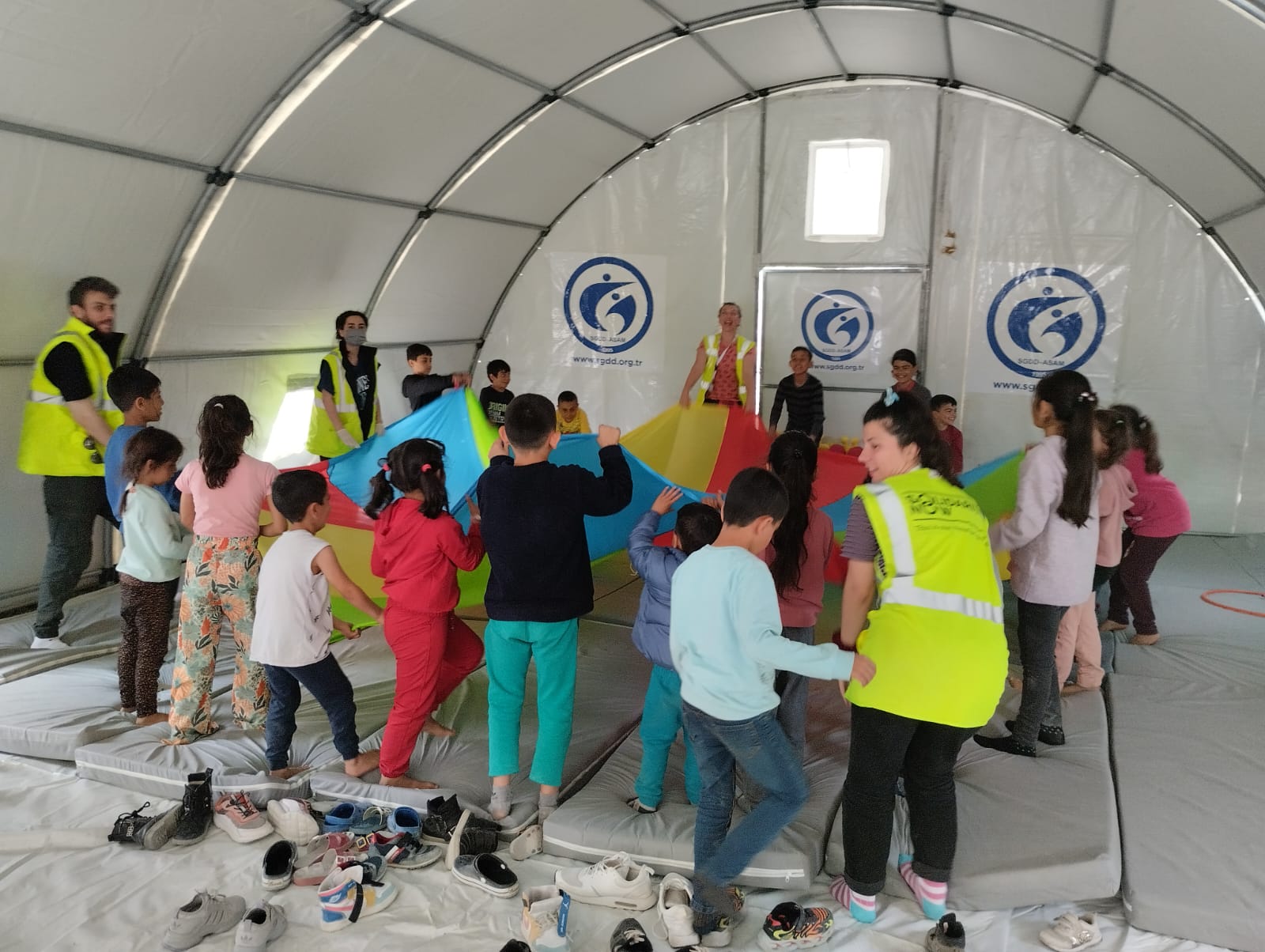
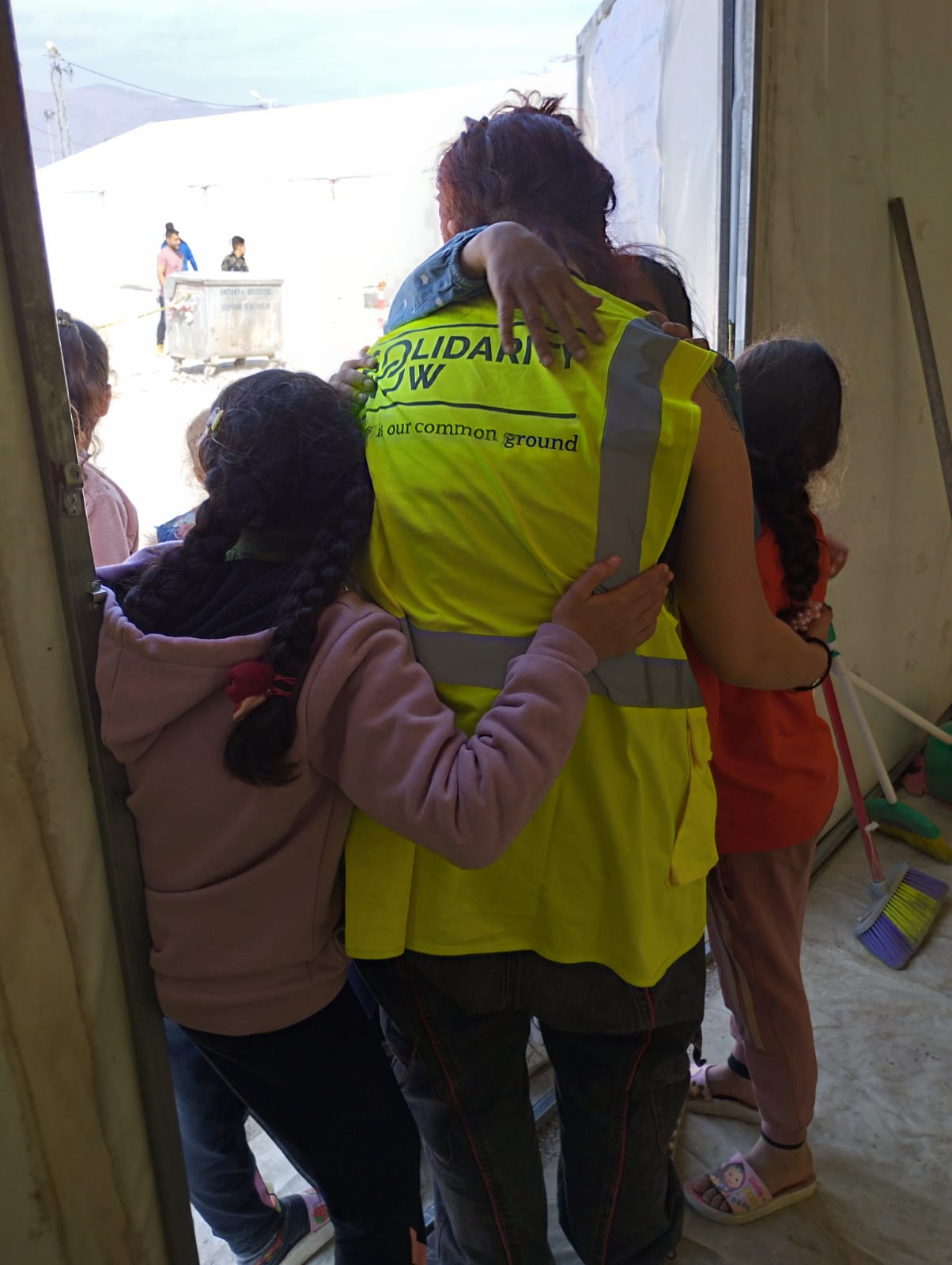
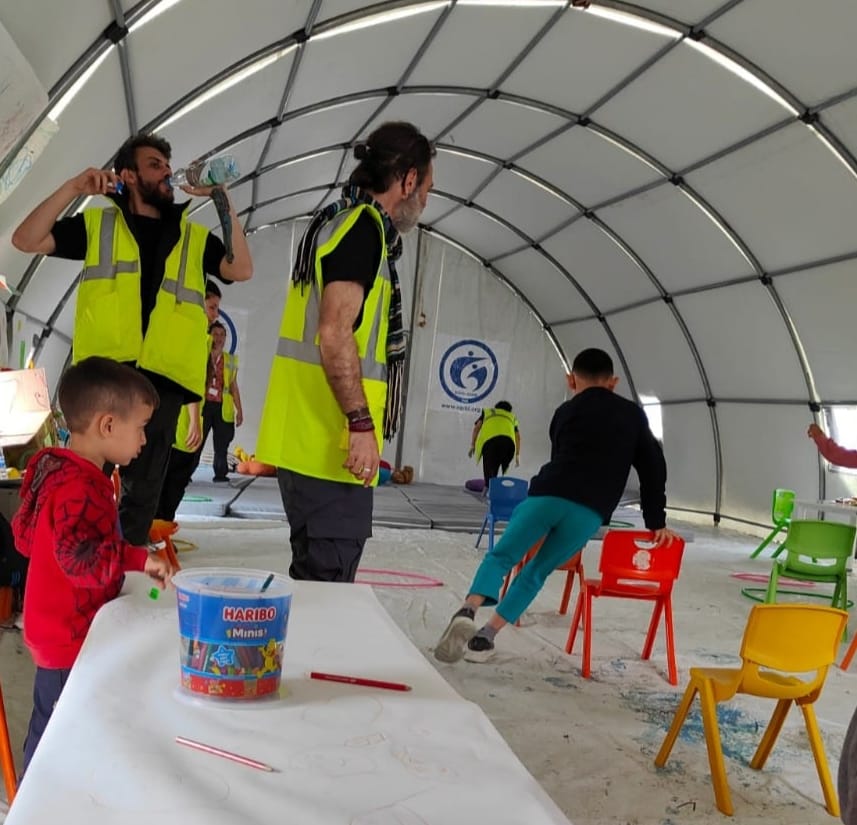
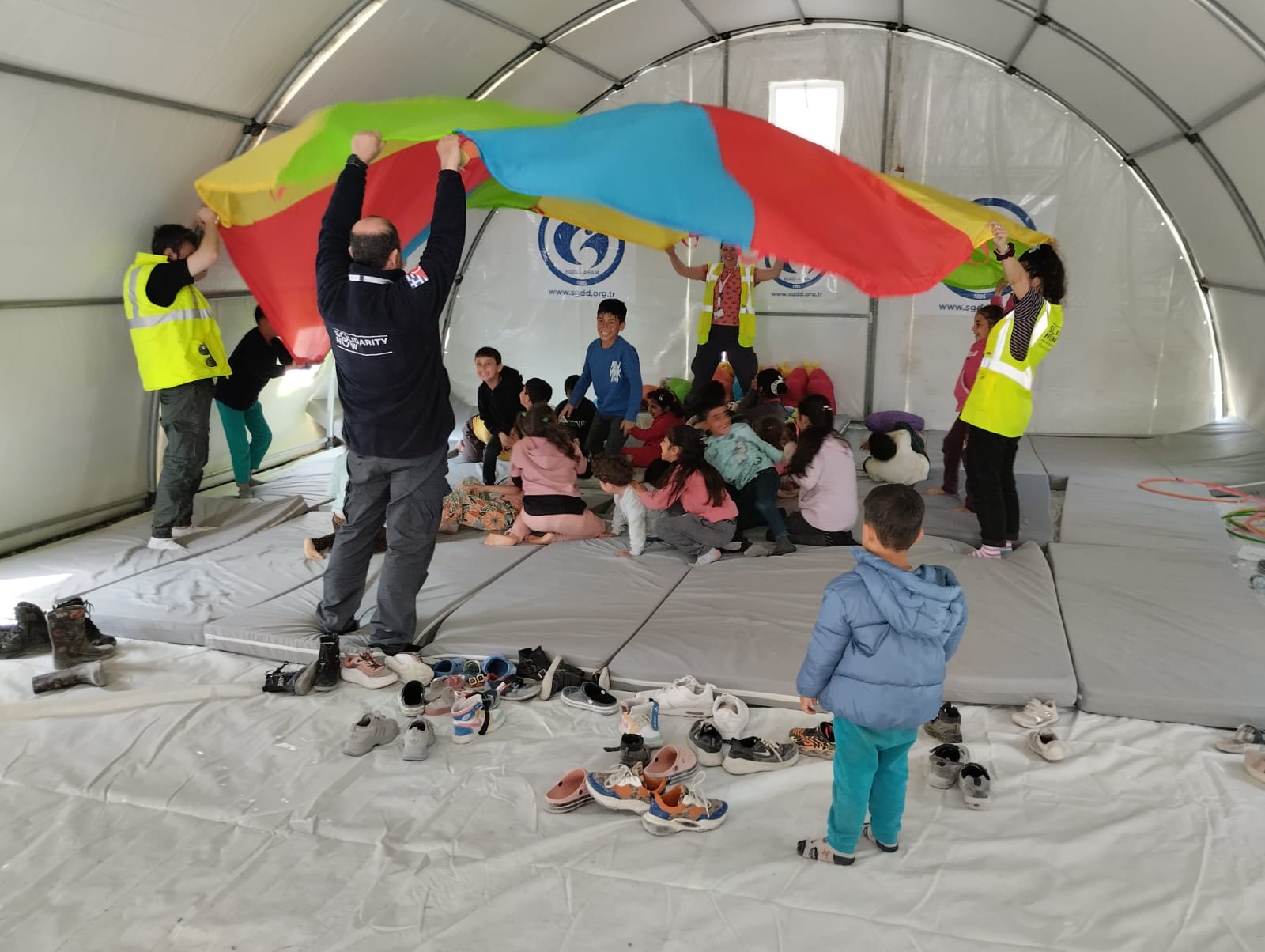
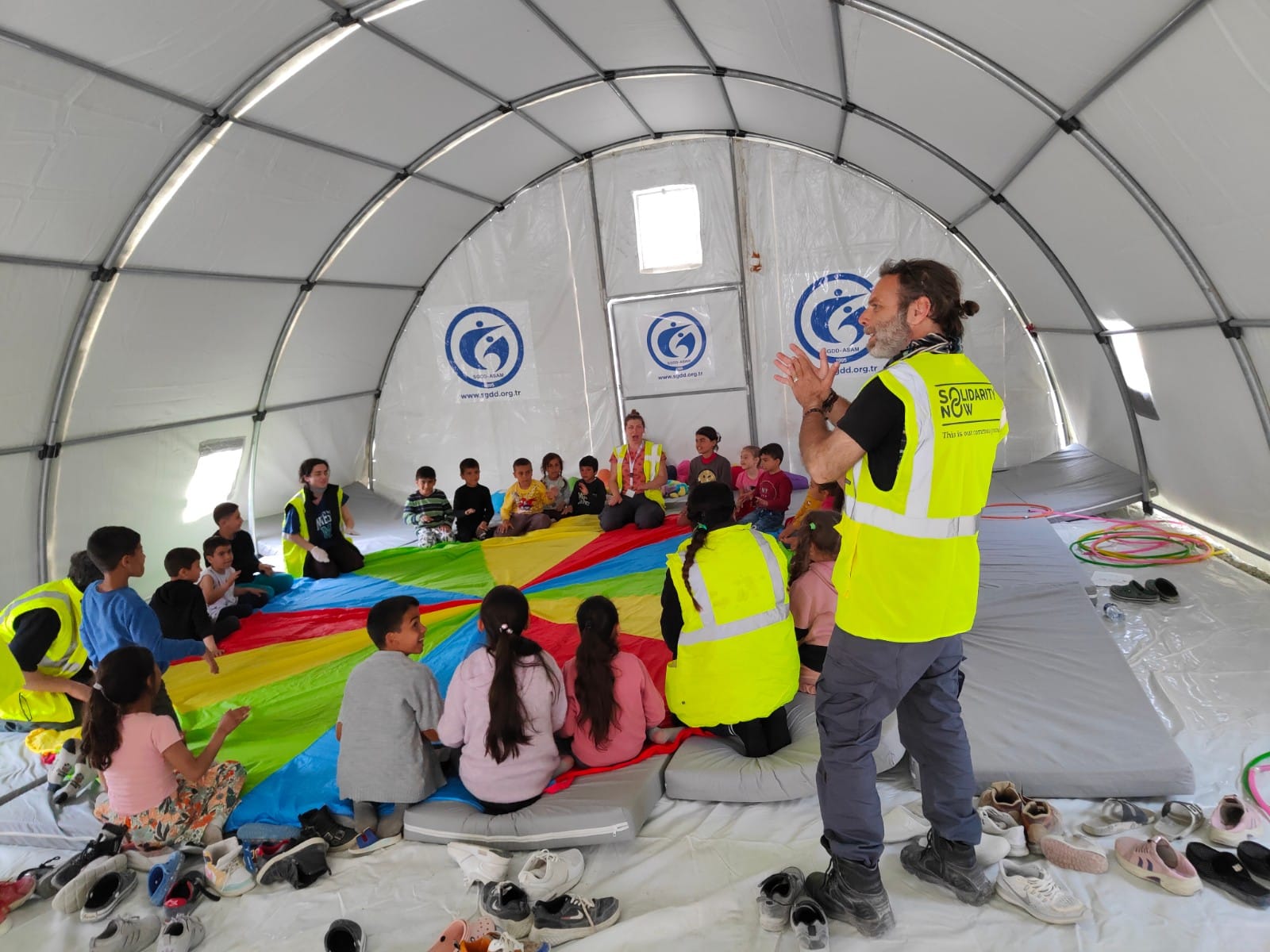
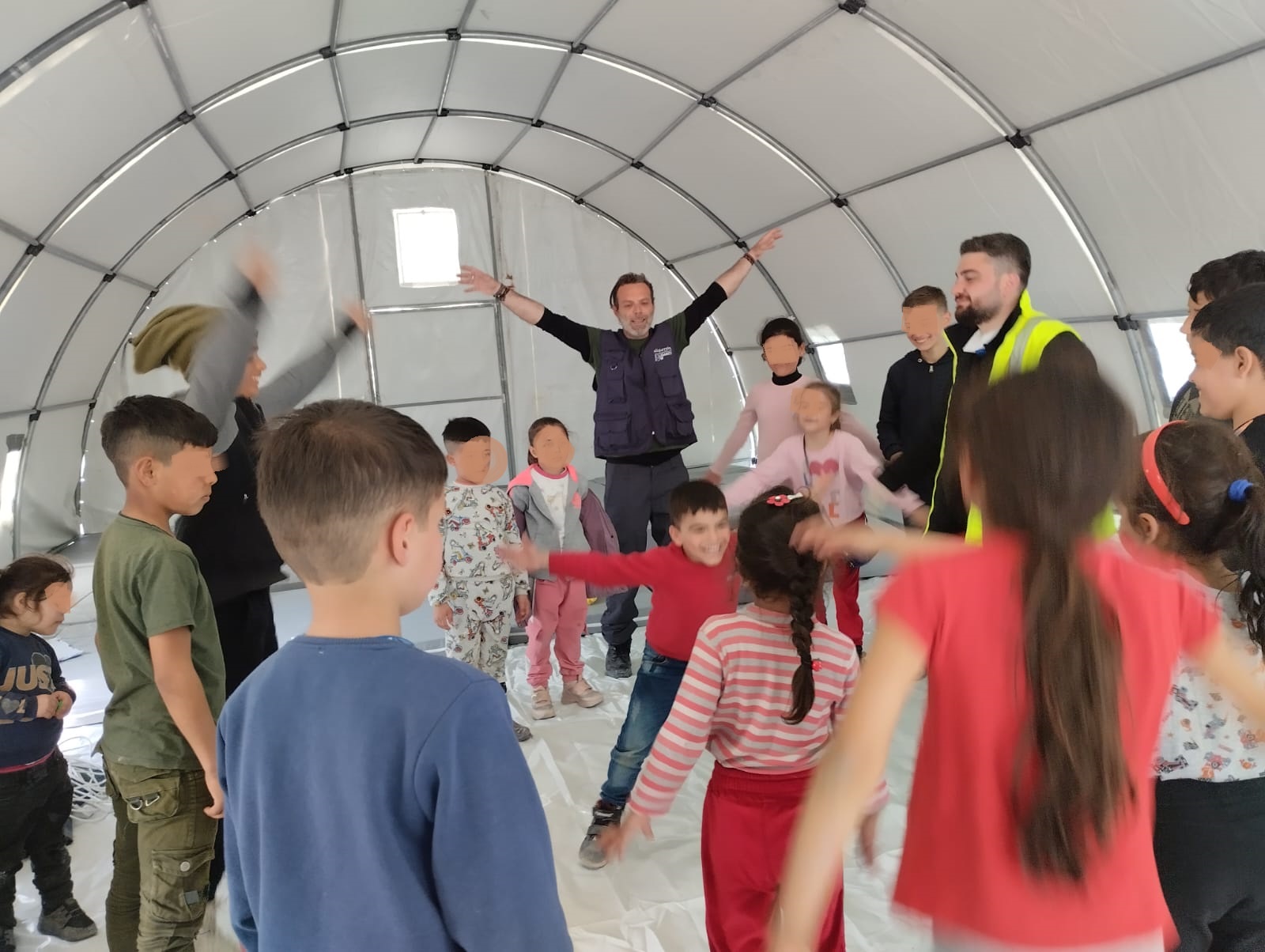
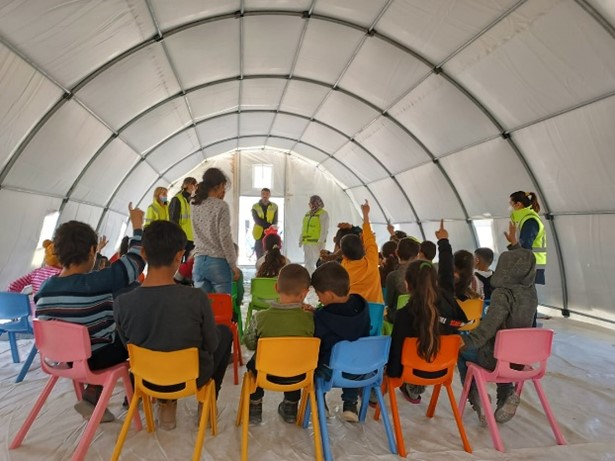
The second team arrived safely in Adana, Turkey on February 23rd (by plane and van – from Thessaloniki, to also transfer supplies and equipment). The second group immediately started activities with children, in the Child-Friendly Spaces (CFS) that have been set up, in collaboration with the Turkish organisation SGDD-ASAM. The team implements a daily structured program of recreational and educational activities as well as continuous on-the-ground capacity building for the local organisation which will continue operating the spaces once the SN mission ends.
In detail:
from the Psychological Support and Counseling Service of the Athens Solidarity Center
The tragedy in the Vale of Tempe on March 1st, creates undoubtedly a condition of national mourning that shows the extent of the collective trauma to which we have all been exposed. The collective trauma of injustice produces feelings of anger and rage, but also of betrayal that generates insecurity towards the institutions and the inadequate mechanisms that do not guarantee people’s safety. The common feeling is that there is no concern for the highest of goods, that of human life.
Dealing with this collective grief that recalls personal griefs and losses becomes manageable only if we allow ourselves to experience, recognize and share the emotions provoked.
The media exposure and detailed descriptions of the accident and the victims, worsen the trauma and take us away from the essence which is how to restore a sense of security through collective action.
The contact and connection with our closest people can be particularly beneficial since the feeling of a supportive network builds up the feeling of security and closeness.
Self-care is not an act of selfishness, but of protection. That’s why you need to find time for self-care even if you feel that this can’t be a priority.
Give time to yourself, your emotions and thoughts and allow the healing process of the traumatic experience, and of course if you feel you are at a dead end seek professional help.
The guilt that accompanies our thoughts, a co-responsibility in the context of how we have shaped the situation in our country, can become the motive that will lead us to collective actions so as to re-establish, practically but also in our conscience, trust, security and the sustainable functioning of the state towards its citizens.
* Since August 2022, the Athens Solidarity Center is financed by EEA Grants, with ΣΟΛ Crowe and HumanRights360 as the fund operator.
**The Center is also supported by the Municipality of Athens.
The Empower YOUth project aims to empower young people from all over Greece and especially those who come from vulnerable groups such as Roma, LGBTQI+, migrants, asylum seekers, refugees, people with disabilities, repatriates and young people from disadvantaged / remote areas, who wish to take the lead and bring positive change within their communities.
During the project’s first phase , 32 young people aged 18-25 from all over Greece will participate in two educational cycles (16 in each cycle) that will take place from 8 to 13 May in Athens and from 22 to 27 May in Thessaloniki.
The trainings will enable young people to: be trained in the tools needed to empower themselves, take an active role as ambassadors in their communities by bringing ideas and visions, but also promoting the positive changes they wish to see.
At the end of the trainings, participants will be able to submit proposals for small-scale actions that will be supported and funded by the project.
Distribution and meals as well as transportation costs for people living outside Athens and Thessaloniki will be covered by the project.
Register here, (scroll for English) by March 31st, 2023.
For more information, please contact:
Georgios Tsitiridis (Thessaloniki), gtsitiridis@solidaritynow.org, Thodoris Bogeas (Athens), tbogeas@solidaritynow.org
The “Empower YOUth” project is implemented in the framework of the Active citizens fund program, implemented by SolidarityNow and partnered by the Norwegian organization NorSensus Mediaforum.
The Active citizens fund in Greece is supported through a € 13.5 m grant from Iceland, Liechtenstein and Norway as part of the EEA Grants 2014 – 2021. The programme aims to develop the sustainability and capacity of the civil society sector in Greece, and to strengthen its role in promoting and safeguarding democratic procedures, active citizenship and human rights. The Fund Operator for the Active citizens fund in Greece is Bodossaki Foundation in consortium with SolidarityNow. More information: www.activecitizensfund.gr/en/
Starting Date: ASAP
Status: Full Time
Child Safeguarding Policy: Level 3 – The job holder has regular contact with children
Main Responsibilities:
Essential skills & Attributes:
Desirable Skills & Attributes:
If you are interested in applying, please send your CV and motivation letter to
thes-recruitment@solidaritynow.org mentioning in the email subject “Employability Consultant_ Thessaloniki”.
SN is an equal opportunity employer. Persons with disabilities and from vulnerable and disadvantaged groups are strongly encouraged to apply.
Recruitment processes reflect SN’s commitment to keeping children safe from harm and abuse. Employment is subject to SN Child protection standards, including background checks and adherence to SN Child Safeguarding Policy.
Due to the urgency of recruitment, SN reserves the right to complete the process as soon as a suitable candidate has been identified. Interested candidates should submit their applications (CV and motivation letter) no later than by March 17thth, 2023.
Only short-listed candidates will be contacted.
Starting Date: ASAP
Status: Part Time
Child Safeguarding Policy: Level 1 – The job holder does not have regular contact with children
Main Duties & Responsibilities
Provision of Accountancy Support and Guidance
Data base and Case related info management
Mentioned tasks
Qualifications:
Required qualifications and skills
Essential
Desired
If you are interested in applying, please send your CV and motivation letter to:
thes-recruitment@solidaritynow.org mentioning in the email subject “Part-Time Accountant_ Thessaloniki’’
SN is an equal opportunity employer. Persons with disabilities and from vulnerable and disadvantaged groups are strongly encouraged to apply.
Recruitment processes reflect SN’s commitment to keeping children safe from harm and abuse. Employment is subject to SN Child protection standards, including background checks and adherence to SN Child Safeguarding Policy.
Due to the urgency of recruitment, SN reserves the right to complete the process as soon as a suitable candidate has been identified. Interested candidates should submit their applications (CV and motivation letter) no later than by March 17thth, 2023.
Only short-listed candidates will be contacted.
Status: Full Time
Child Safeguarding Policy: Level 3 – The job holder has regular contact with children
Responsibilities
Social Services Provision
Data base and Case related info management
Other Duties
Required qualifications and skills
Desired
If you are interested in applying, please send your CV and motivation letter to:
thes-recruitment@solidaritynow.org mentioning in the email subject “Social Worker_ Thessaloniki’’
SN is an equal opportunity employer. Persons with disabilities and from vulnerable and disadvantaged groups are strongly encouraged to apply.
Recruitment processes reflect SN’s commitment to keeping children safe from harm and abuse. Employment is subject to SN Child protection standards, including background checks and adherence to SN Child Safeguarding Policy.
Due to the urgency of recruitment, SN reserves the right to complete the process as soon as a suitable candidate has been identified. Interested candidates should submit their applications (CV and motivation letter) no later than by March 17thth, 2023.
Only short-listed candidates will be contacted.