

(Ελληνικά) Κοινή Επιστολή εννέα οργανώσεων της Κοινωνίας των Πολιτών προς τον Υπουργό Επικρατείας & Ψηφιακής Διακυβέρνησης

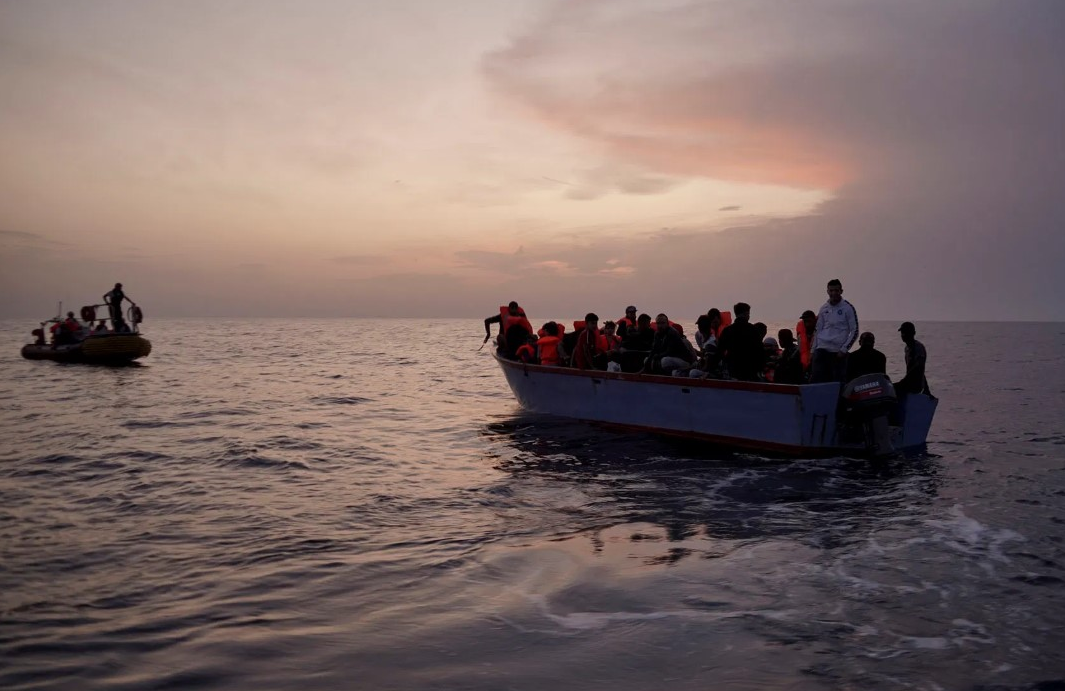
Over the last years, the undersigned organisations have been receiving allegations of pushbacks at the country’s land and sea borders. This practice seems to have now acquired systematic characteristics and constitutes an official state policy aiming at the prevention of refugee and migrant flows.
Although not a new phenomenon, this policy of land and sea pushbacks has, however, escalated in an unprecedented fashion over the last year, both in terms of frequency of incidents and of the means employed. Dozens of complaints, substantiated by evidence (videos, testimonies, and photos), have been recorded.
Of the utmost concern is the reported tolerance and/or involvement of FRONTEX as well as the inaction in conducting a substantial inquiry into the public allegations connected to it. This policy not only constitutes a violation of fundamental principles of international law but also poses a direct threat to people’s lives.
We emphatically point out that:
Several of the undersigned organizations have already submitted reports and complaints to international and European bodies, aiming at the effective investigation and prosecution of illegal push-back practices. In addition, we now call on civil society organisations and bodies to come together in an initiative to address the below demands to national, European, and international bodies:
THE SIGNING ORGANISATIONS
ΑΡΣΙΣ – Κοινωνική Οργάνωση Υποστήριξης Νέων, Αθήνα/ ARSIS – Association for the Social Support of Youth, Athens
HIAS – Greece
Υποστήριξη Προσφύγων στο Αιγαίο /Refugee Support Aegean
Ελληνικό Συμβούλιο για τους Πρόσφυγες /Greek Council for Refugees
HumanRights360
ΕΛΛΗΝΙΚΗ ΕΝΩΣΗ ΓΙΑ ΤΑ ΔΙΚΑΙΩΜΑΤΑ ΤΟΥ ΑΝΘΡΩΠΟΥ
International Rescue Committee (IRC)
ΣΩΜΑΤΕΙΟ ΥΠΟΣΤΗΡΙΞΗΣ ΔΙΕΜΦΥΛΙΚΩΝ (ΣΥΔ)
Refugee Legal Support (RLS)
Ελληνικό Παρατηρητήριο των Συμφωνιών του Ελσίνκι/Greek Helsinki Monitor
Ελληνικό Φόρουμ Μεταναστών – Greek Forum of Migrants
ΜΕΤΑδραση – Δράση για τη Μετανάστευση και την Ανάπτυξη/ METAdrasi- Action for Migration and Development
ECHO100PLUS
Refugee Rights Europe (RRE)
Συμβίωση-Σχολή Πολιτικών Σπουδών στην Ελλάδα, Δίκτυο Σχολών του Συμβουλίου της Ευρώπης / Symbiosis-School of Political Studies in Greece, affiliated to the Council of Europe Network of Schools
Θετική Φωνή / Positive Voice
ΝΑΟΜΙ, Οικουμενικό Εργαστήρι Προσφύγων, NAOMI, Ecumenical Workshop for Refugees
Diakonie Oesterreich (Austria)
Equal Rights Beyond Borders
Glocal Roots
Αλληλέγγυοι Χίου / Chios Solidarity
Irida Women’s Center
EuroMed Rights
Mobile Info Team
Europe Must Act
ΕΛΛΗΝΙΚΟ ΦΟΡΟΥΜ ΜΕΤΑΝΑΣΤΩΝ/ GREEK FORUM OF MIGRANTS
ΑΛΛΗΛΕΓΓΥΗ ΛΕΣΒΟΥ – LESVOS SOLIDARITY
Συνύπαρξη και Επικοινωνί στο Αιγαίο, Μυτιλήνη Coexistence and Communication in the Aegean (Siniparxi) Mytilini
Legal Centre Lesvos
Fenix – Humanitarian Legal Aid
“ΛΑΘΡΑ;” – Επιτροπή Αλληλεγγύης στους Πρόσφυγες Χίου
ΚΕΝΤΡΟ ΓΥΝΑΙΚΕΙΩΝ ΜΕΛΕΤΩΝ ΚΑΙ ΕΡΕΥΝΩΝ – ΔΙΟΤΙΜΑ / CENTRE FOR RESEARCH ON WOMEN’S ISSUES – DIOTIMA
Mobile Info Team
Still I Rise
Mare Liberum
RAD MUSIC INTERNATIONAL
The Hope Project
Attika Human Support
Choose Love
BORDERLINE EUROPE E.V.
Boat Refugee Foundation/Stichting Bootvluchteling
SolidarityNow
Lighthouse Relief (LHR)
Better Days
Changemakers Lab
Ιριδα-Κέντρο Γυναικών – Irida Women’s Center
ΑΝΤΙΓΟΝΗ – Κέντρο Πληροφόρησης και Τεκμηρίωσης για το Ρατσισμό, την Οικολογία, την Ειρήνη και τη Μη Βία/ ANTIGONE – Information and Documentation Centre on Racism, Ecology, Peace and Non Violence
Οικολογική Κίνηση Θεσσαλονίκης/ Ecological Movement of Thessaloniki
Advocates Abroad
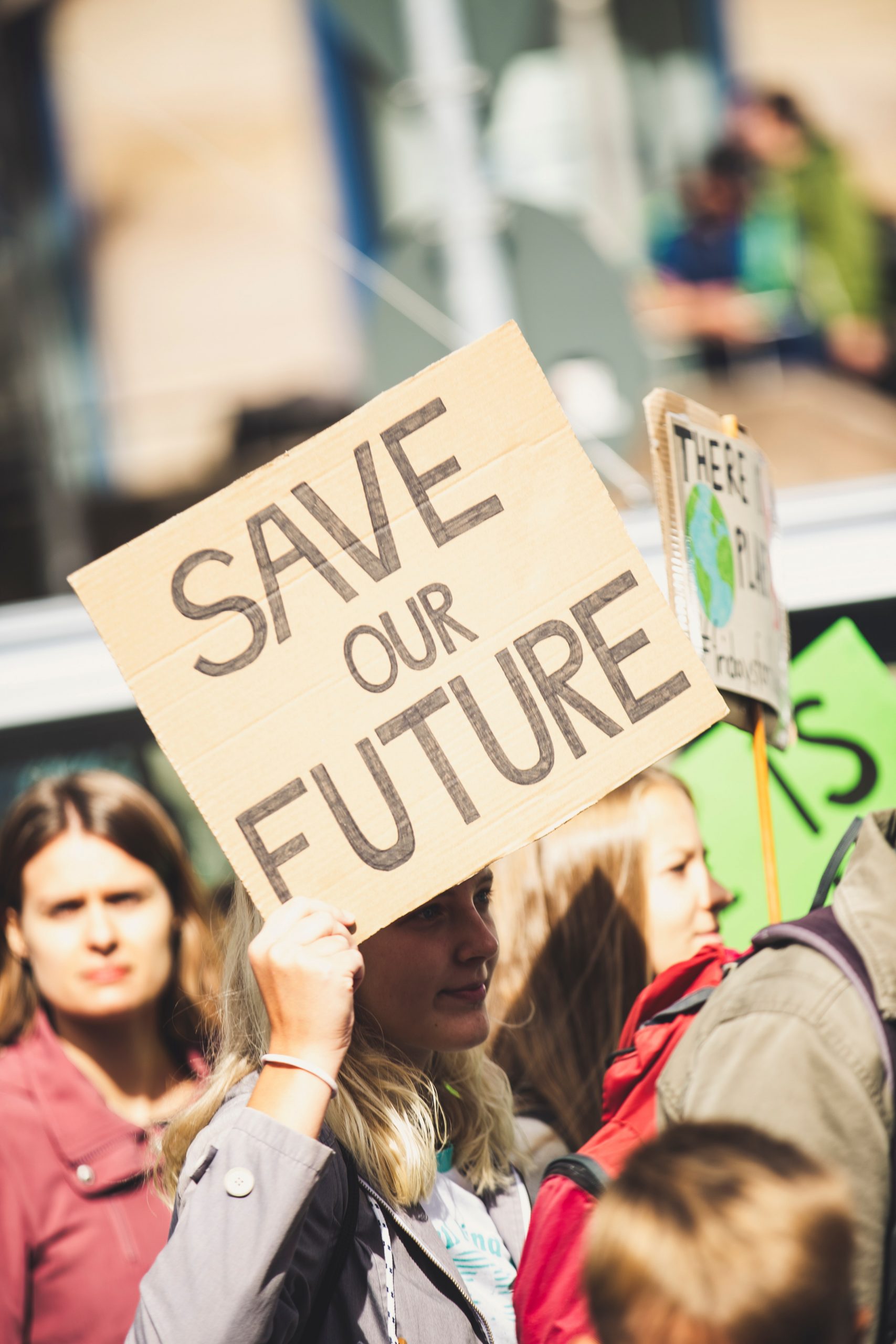
Greece, like all other member states, has until the end of April to submit a plan to the EU outlining how it will spend the €32 billion it will receive in recovery funds to overcome the effects of the pandemic. Civil society recognises this as an unprecedented opportunity for a truly just, inclusive, and sustainable transition and seeks transparency in the planning process.
Given that recent crises (economic, refugee reception, pandemic) have deepened social inequalities in Greece, the signatories contend that recovery policies should target typically overlooked populations such as impoverished households, the homeless, migrants, and refugees. At the same time, they call for policies that prioritise protecting the environment and reducing the effects of climate change in order to ensure a sustainable future and stave off future disasters and displacement.
Common Ground and the letter’s co-signers urge the Greek government to:
Why it matters: If the above-mentioned measures are implemented as part of a coordinated effort combined with other initiatives and funding opportunities to strengthen public policies, it will lead Greece out of the pandemic and toward a more just and sustainable future.
After years of austerity, the refugee reception crisis and now the pandemic, this large sum of money can enable society to turn a corner and start truly recovering from economic and social problems. To succeed, Greece must avoid repeating the policies of the past that led us to the difficult position we are in today (confronting rising inequalities, polarisation, injustice, biodiversity loss, and the climate crisis).
Notes to editors
* In July 2020, the European Union launched a €750 billion pandemic recovery fund, of which 37% is earmarked specifically for fighting climate change with the rest going toward other investments and reforms to strengthen resilience, a digital transformation, fairness, and macroeconomic stability. EU member states now have until the end of April to submit their final spending plans to account for their share of the financial aid. Greece will receive €32 billion in a combination of grants and loans.
National Recovery and Resilience Plan: Greece’s official spending plan for the recovery funds.
Read the full draft of our Open Letter – Recovery Plan to the Deputy Minister of Finance.
TO:
The Prime Minister of the Hellenic Republic, Kyriakos Mitsotakis
The Minister of Education and Religious Affairs of the Hellenic Republic, Niki Kerameus
The President of the European Parliament, David Sassoli
The President of the European Commission, Ursula von der Leyen
The European Commissioner for Innovation, Research, Culture, Education and Youth, Mariya Gabriel
The European Commissioner for Justice and Consumers, Didier Reynders
Athens, March 9, 2021
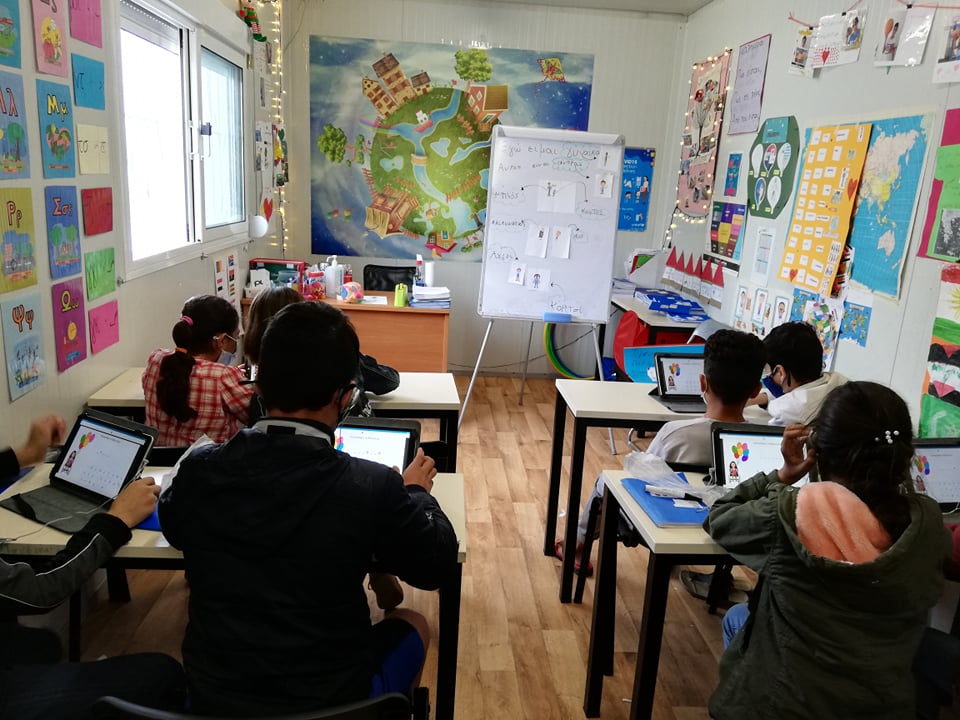
The undersigned organisations express deep concern about the situation relating to asylum seeking and refugee children’s access to education in Greece over the past few years. Specifically, for the past six years it has not been possible to guarantee smooth and unimpeded access to education for asylum seeking children. As a result, the majority of these children have been deprived of one of their fundamental rights. These issues have become so intense over the last year that one can in fact refer to an extensive process of “deschooling”.
In particular:
On the islands where children stay in Reception and Identification Centres as well as in Pre-removal Detention Centres for Foreigners, access to schools in the local community is almost non-existent[1]. Moreover, serious delays and obstacles have been observed, resulting in a huge gap between the number of enrolled children and the children that actually attend school.
Nevertheless, the situation is equally worrying in the refugee camps on the mainland. Ιn some places the issues observed have to do with inconsistent interpretation of COVID-19 related movement restriction policies by the Greek authorities, which ends up discriminating against children who, as a result, are not being allowed to leave these camps. At the same time, during the lockdowns, due to the lack of necessary technical infrastructure for online learning at the camps, refugee and asylum seeking children are further excluded from the education process. Μoreover, other issues have been observed in quite a few locations nationwide. These include the lack of transportation to schools; understaffing and malfunctioning of reception classes; an insufficient number of spots available at schools and kindergartens; problems resulting from unjustified behaviour by school administrations–but also by local communities– who are reacting against the prospect of refugee children attending public schools. All these issues are compounded by the worrying absence of any concern by authorities to include these children in the educational process.
Several of the undersigned organisations presented the above-mentioned issues to the competent ministries, via a private letter, on 3/2/2021. In response to this letter, co-signing organisations were invited to an online meeting with the relevant authorities on 26/2/2021. We acknowledge and welcome the willingness of the authorities to launch a dialogue process with civil society regarding the pressing issue of refugee education. Still, the current situation, with its critical shortcomings, requires that immediate action is taken by the authorities so that not one more school day is missed.
Αccording to Greek and European law[2], education is provided free of charge and is compulsory for children aged 4 to 15, including education intended for asylum seeking children. Articles 28 and 29 of the International Convention on the Rights of the Child, which has been transposed into national law by the Hellenic Republic (Law 2101/1992), foresee that all children, without any exceptions, have equal rights to primary and secondary education.
It is vital that these children attend school because it is their right, first and foremost. However, continuing education is also an essential element to counteract some of the uncertainty and stress the COVID-19 pandemic has meant for children and their families. Added to this most children have already missed precious time out of their education as a result of conflict, insecurity or other conditions in their country of origin or countries of transit during their often-arduous journeys to reach Greece. School access is a decisive factor in guaranteeing an organised daily routine and a safe environment in which to learn and grow; factors of vital importance for the mental health and personality development[3] of children but also for the smooth operation of society as a whole.
For all the reasons outlined above, we call upon the Greek government to take immediate action to guarantee equal, substantive, and quality education to children of all ages and nationalities residing both on the islands and on the mainland. More specifically, we call upon the Greek authorities to guarantee that:
We also call upon European leaders to ensure the implementation of European law in accordance with the Charter of Fundamental Rights of the European Union and the International Convention on the Rights of the Child, by which our country is also bound, and that no violation of EU law be tolerated especially if such violations put groups of people, such as children, at risk.
Children’s fundamental access to education is vital for the future of us all.
ΤΗΕ SIGNATORY ORGANIZATIONS:
| ACTION FOR EDUCATION |
| ACTIONAID HELLAS |
| ARSIS – ASSOCIATION FOR THE SOCIAL SUPPORT OF YOUTH |
| BABEL DAY CENTER |
| CARITAS HELLAS
CHANGEMAKERS LAB CHOOSE LOVE – HELP REFUGEES DANISH REFUGEE COUNCIL |
| ECHO100PLUS |
| ELIX |
| EQUAL RIGHTS BEYOND BORDERS |
| EUROPE MUST ACT |
| GREEK ASSOCIATION OF PEOPLE LIVING WITH HIV “POSITIVE VOICE” |
| GREEK COUNCIL FOR REFUGEES |
| GREEK FORUM OF MIGRANTS (GFM) |
| HUMANRIGHTS360
INTERNATIONAL RESCUE COMMITTEE (IRC) |
| INTERSOS HELLAS |
| IRIDA WOMEN’S CENTER |
| LEGAL CENTRE LESVOS |
| LESVOS SOLIDARITY |
| MELISSA NETWORK |
| METADRASI ACTION FOR MIGRATION AND DEVELOPMENT |
| NETWORK FOR CHILDREN’S RIGHTS |
| ODYSSEA |
| REFUGEE LEGAL SUPPORT (RLS) |
| REFUGEE RIGHTS EUROPE (RRE) |
| REFUGEE SUPPORT AEGEAN (RSA) |
| REFUGEES INTERNATIONAL |
| SOLIDARITYNOW |
| STILL I RISE |
| TERRE DES HOMMES HELLAS |
| ZEUXIS |
[1] According to the information provided by the Assistant Ombudsman for the Rights of the Child at a meeting of the Network for the Rights of Children on the Move, on 13/02/2021, based on a survey carried out by that Independent Authority.
[2] Including but not limited to: Article 14 of the Charter of Fundamental Rights of the European Union concerning the right to education, Article 14 of Directive 2013/33 / EU and Article 27 of Directive 2011/95 / EU on recognition. In Greek law, Articles 28 and 51 of Law 4636/2019 foresee the education and access to education of minor asylum seekers and beneficiaries of international protection and Article 60(h) of Law 4636/2019 foresees the access of unaccompanied minors to education. Furthermore, Article 21(7) and (8) of Law 4251/2014 and Article 40 of Law 2910/2001 foresee unimpeded access of third country minors to education. On the banning of discrimination see Article 21 of the Charter of Fundamental Rights and Article 14 of the European Convention on Human Rights read in conjunction with Article 2 of Protocol 1 of the ECHR, and in Greek law see Article 3(2)(c) Law 4443/2016.
[3] https://ec.europa.eu/echo/what/humanitarian-aid/education-emergencies_en
[4] Law 2101/1992 and 4251/2014 and the case A. Lavida and Others v. Greece: https://docs.google.com/viewerng/viewer?url=http://www.curia.gr/wp-content/uploads/2013/05/AFFAIRE-LAVIDA-ET-AUTRES-c.-GRECE.pdf
In the context of the implementation of the program SIRIUS-Skills and Integration of Migrants, Refugees, and Asylum Applicants in European Labour Markets, in which SolidarityNow participates -as a representative in Greece-, Dominika Spyratou, the organization’s Advocacy Officer, wrote about the impact of the Covid-19 crisis on MRAs’ (Migrants, Refugees, Asylum Seekers) labour market integration.
The Covid-19 pandemic has affected the lives of millions of people worldwide and augmented the economic and social insecurity that societies -especially their most vulnerable populations- face. In Greece, the pandemic hit the country soon after a decade-long economic crisis that dramatically increased unemployment and poverty and brought its health care system to its knees. MRAs have been hit particularly hard as integration policies are still lacking, difficulties in accessing services persist and racist and xenophobic attitudes by segments of the hosting society are on the rise, often reinforced by the government’s policies and its anti-migration rhetoric.
This report provides an overview of the early impact of Covid-19 on MRAs and the prospects of their integration in Greece based on desk research conducted between March and November 2020, six semi-structured interviews with MRAs and NGO employees conducted in October and November, and fieldwork associated with the author’s professional engagement. Having just entered its second phase, the pandemic’s long-term impact cannot yet be measured. Additional research will be necessary to understand the full effects of the crisis on MRAs’ labour market integration in Greece.
Read the report here.
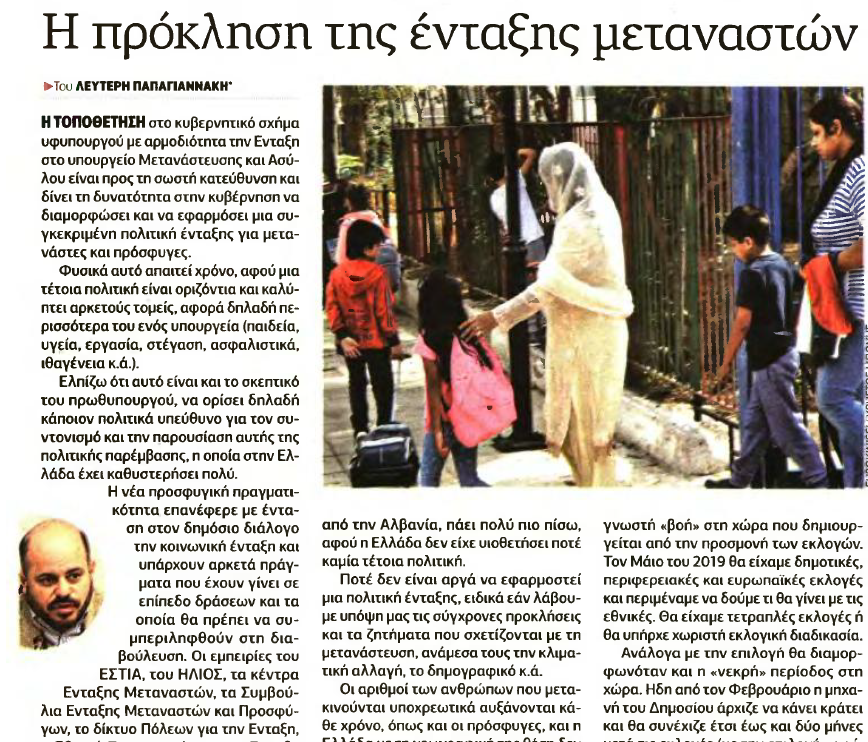
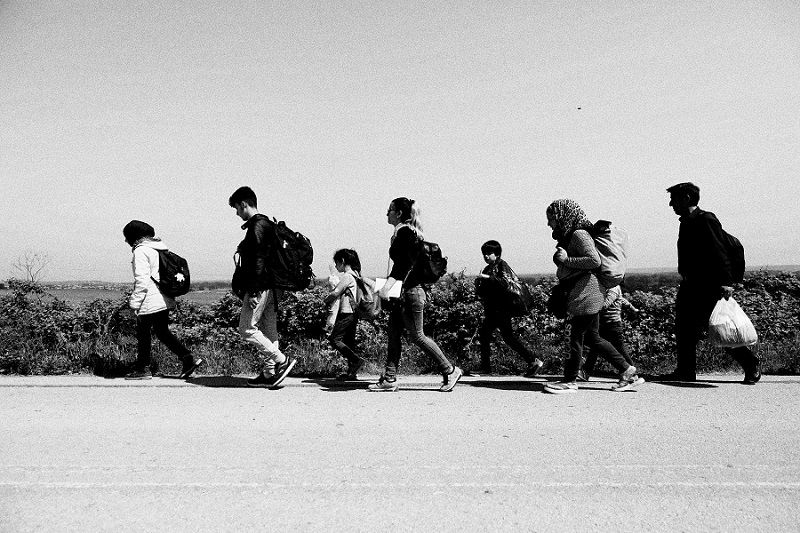
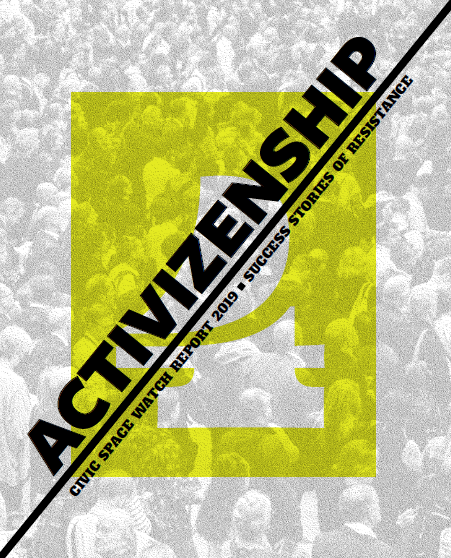
The report showcases the challenges civil society faced throughout the year 2020, with a particular focus on how the public measures triggered by the #COVID-19 pandemic affected civic space, and how civic actors responded. On page 106 you can also find the analysis about Greece written by the SolidarityNow Advocacy Officer, Dominika Spyratou.
You can read the report here: https://civic-forum.eu/wp-content/uploads/2020/11/INT_ACTIVIZEN5_BAF.pdf
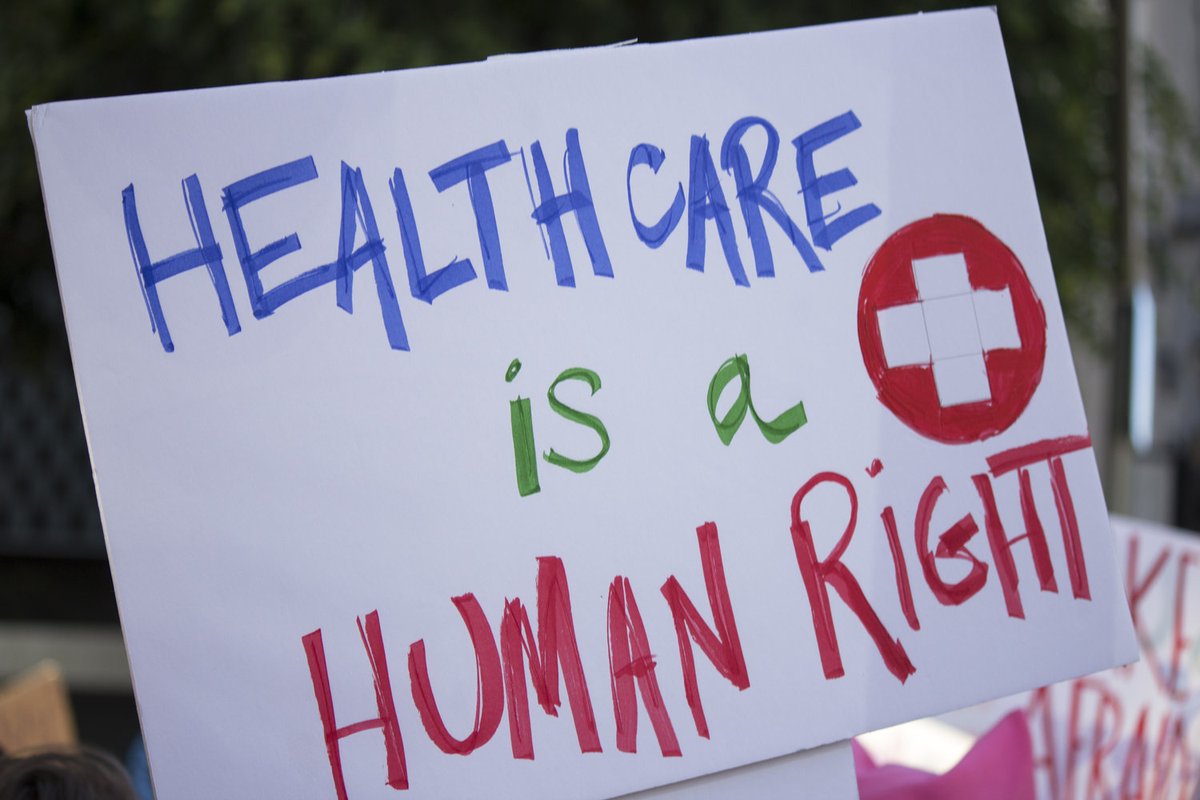
By Salma Mohamed, Solidarity Now, Advocacy Intern
COVID-19, an infectious disease that was first detected in December 2019 in Wuhan, China, has had and will continue to have widespread and devastating impacts on numerous facets of everyday life, from the economy to human rights. The global pandemic, in particular, has highlighted many human rights failures, exasperated them, and enabled governments to utilize the infamous and pervasive pretext of national security to push bigoted agendas that target historically marginalized groups and are inconsistent with international law principles
According to an April 2020 United Nations paper analyzing COVID-19’s implications for human rights, three core rights are being challenged: the right to life and the government’s duty to protect, the right to health and access to healthcare, as well as the right to freedom of movement (which underpins many other important rights).
Not only are marginalized groups more likely to get infected and face harsher symptoms of the novel coronavirus because of underlying disparities in healthcare, accessibility, housing, etc. but also are more likely to be adversely affected by measures intended to mitigate its spread for similar reasons, thereby severely deepening existing inequities and further hampering core human rights. This, in a sense, is ‘double victimization,’ which many social justice activists and scholars have identified marginalized groups often endure when crises ensue or facially-neutral policies are enacted.
The April 2020 U.N. report notes that people of low socioeconomic status, women, older people, children, racial, ethnic, and religious minorities, migrants, refugees, and internally displaced persons, indigenous people, people with disabilities, prisoners, detainees, and others who are deprived of their liberty, LGBTI people, HIV-positive people, and people who use drugs are all cohorts facing an onslaught of challenges to their basic rights. For example, people with low socioeconomic statuses (which often intersect with other marginalized groups) face higher infection rates and experience worse symptoms of the virus due to lack of housing, food security, access to water, and decent healthcare, etc. Additionally, as the report notes, the lockdown measures have further restricted access to food, education, work, and basic services, all of which impact people of low socioeconomic status harder because of their already limited resources.
Instead of fulfilling their obligations under international law and countering this discrimination, some governments have capitalized on the fear surrounding the virus as well as the global rise of xenophobia and authoritarianism and utilized the perilous pretext of national security to perpetuate prejudiced agendas. While, of course, some restrictions to human rights are necessary to curtail the spread of the virus, these restrictions should be and must be, according to international law, strictly circumscribed with security reasons or national emergencies as well as proportionate and non-discriminatory. Amnesty International identifies numerous instances around the world where the human rights of refugees, in particular, are unduly hampered under the auspices of protecting the public, from water supplies being intentionally cut off in a Bosnian refugee camp, thus forcing relocation, to the United States suspending most due process rights for migrants and turning back over 20,000 people. Although states use the rhetoric and ideology of national security, their actions often do not mitigate the spread of the virus. These measures sometimes even lead to more movement and thus increase the risk of COVID-19 spreading. As such, these practices are non-circumscribed, disproportionate, and discriminatory, thus in violation of international law.
States need to face extra scrutiny on their human rights records in times like these where fundamental rights are opportunistically and occasionally abused. Marginalized communities are often the targets and remain the targets even after the crisis has subsided, as evidenced by the illegal surveillance and detention of Muslims during and after the ‘war on terror’ in the United States.
These challenges to core human rights principles set a dangerous precedent and the international community must take punitive action against the perpetrators accordingly.