The Killing of George Floyd and the Age of Covert Racism


by Salma Mohamed,

Intern at the Advocacy Unit, SolidarityNow 

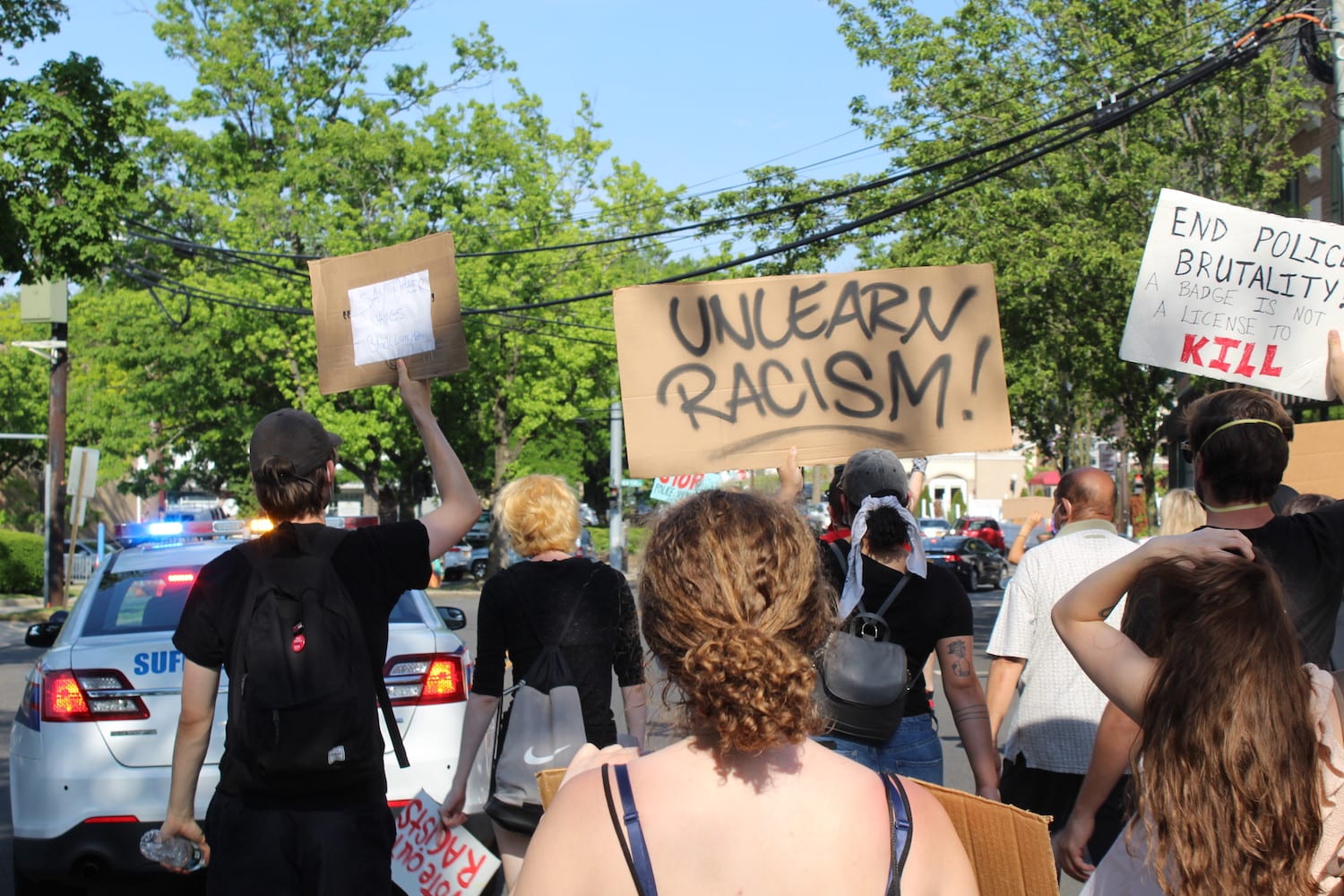
The killing of George Floyd, a black man detained for allegedly using a counterfeit bill, by Derek Chauvin, a white Minneapolis police officer, impelled by the disproportionate impact of COVID-19 on communities of color, led to protests of widespread, systemic, and historic racial inequities across the world. Many of these inequities are produced by reincarnations of centuries-old practices. Coded rhetoric and de facto discriminatory legal customs have permitted and promoted state-sanctioned racial inequality in the 21st century with near impunity. While the United States is a pernicious and well-known perpetrator of this practice, the European Union, although it claims otherwise, has employed very similar techniques to oppress people of color.

On May 25th, 2020, Minneapolis police responded to a call reporting the use of a counterfeit $20 bill. Upon arriving at the scene, Officer Thomas Lane approaches George Floyd, a 46-year-old Minneapolis resident, proceeds to draw his weapon, and instructs him to show his hands. Officer Lane then grabs Mr. Floyd and pulls him out of the car, at which point Mr. Floyd resists arrest. After being handcuffed, Mr. Floyd ceased resisting and began apologizing to the officers several times. Then, the officers attempt to place Mr. Floyd in their police vehicle. Mr. Floyd proceeds to fall and states that he is claustrophobic. As they continue to attempt to place him in the vehicle, Officer Derek Chauvin pulls Mr. Floyd, who, as a result, falls to the ground again. As the handcuffed Mr. Floyd is face down on the floor, Officer Chauvin proceeds to place his knee on Mr. Floyd’s neck. Officer Chauvin keeps his knee on Mr. Floyd’s neck for a total of 8 minutes and 46 seconds, during which, according to bystander-captured videos and court records, Mr. Floyd exclaimed more than 20 times that he could not breathe, said “you’re going to kill me, man,” and called out for his mother. About 6 minutes into Officer Chauvin placing his knee on Mr. Floyd’s neck, Mr. Floyd became unresponsive. Despite this, Officer Chauvin did not remove his knee off the motionless Mr. Floyd for almost three more minutes. An hour later, Mr. Floyd was pronounced dead.

In the United States, black people are 3 times more likely to be killed by police compared to white people despite being 1.3 times more likely to be unarmed according to Mapping Police Violence.

The tragic killing of Mr. Floyd, Breonna Taylor (an unarmed black woman who was shot at least eight times and killed inside her own apartment by police), and Ahmaud Arbery (an unarmed black man who was shot and killed by a white ex-police officer while jogging), along with COVID-19’s disproportionate impact on people of color, primarily because of underlying disparities in healthcare, housing, and accessibility, impelled protests across the U.S. and then the world.

While much of what is happening in the U.S., especially under the Trump administration is unprecedented, the U.S. has a heinous history of racial violence and inequality. Many of the issues plaguing people of color today, as numerous scholars have argued, are morphed from centuries-old ideologies and practices to become more acceptable to modern ears. While these contemporary customs claim racial neutrality or justify discrepancies by erroneously shifting blame onto people of color, in effect, they are often anything but neutral.

Ideologies such as “law and order,” used by American presidents, and other politicians, instill a sense of fear and allow government officials to use the infamous pretext of national security to infringe on civil rights and liberties of marginalized communities; these infringements go virtually unpunished. This has allowed, and continues to allow, law enforcement sweeping authority, in essence, licensing police harassment and murder of people of color under the guise of racial neutrality, as evidenced by the war on drugs and stop-and-frisk laws in the U.S.

The U.S., in particular, does have a unique and pervasive history of racism, but, contrary to the assertion of Margaritas Schinas, a European Commission vice-president, the E.U. is also guilty of using covert tactics to maintain and promulgate systems of racial violence and disparity. In the wake of global race protests, Mr. Schinas discounts the existence of police brutality and systemic racism in the E.U. in an attempt to distance it from the U.S.

The mysterious death of Adama Traoré, a black man, who was in French custody, in 2016, and the more recent shooting of Muhammad Gulzar, a Pakistani man, at the Greek-Turkey border, in March of this year, are just two examples of racial violence in the E.U. Νumerous studies have found that racial and ethnic minorities are not only more likely to be stopped by police in the E.U. but also, as a United Kingdom report found, more than twice as likely to die in custody as a result of police force in the U.K.

The killing of George Floyd has raised a magnifying glass to the actions of states and state actors, depicting the repetitive use of concealed tactics to obfuscate the disproportionate treatment of people of color. Under the auspices of racial neutrality, governments get away with perpetrating various human rights violations, many of which have been transpiring for centuries. As such, while convicting the officers involved in the killing of George Floyd is a step in the right direction, we need to reconfigure our law enforcement systems and recognize the pervasive use of rhetoric to gaslight people of color around the world.
Ending homelessness – it can be done!


Europe on 23rd July 2020, in attendance of European Commissioner for social affairs Nicolas Schmit.

Shocking: Greece tops more than one “top worst” list EU-wide: homelessness is a reality for half of its unaccompanied minors, poor households and people with disabilities find it increasingly difficult to pay rent, and foreign nationals are by far more vulnerable to homelessness and housing exclusion.
According to estimates by the Foundation Abbé Pierre and FEANTSA, some 700,000 people face homelessness every night in the European Union, representing a 70% increase in ten years.
However, during the recent health crisis, the number of roofless people fell sharply in many countries thanks to the emergency measures to provide shelter for the most vulnerable among us. In Greece, within the context of the Covid-19 pandemic, some families seeking asylum were placed in temporary housing, but with confinement measures lifting, they were forced to leave their accommodation, leaving them vulnerable to homelessness again.
We have seen that it is possible to prioritise vulnerable groups and ultimately end homelessness if we really want to when we have the means to do so!
In this Fifth Overview of Housing Exclusion in Europe, the Foundation Abbé Pierre and FEANTSA have once again joined forces and shown that by mobilising 3% of the subsidies provided for in the Post-COVID Recovery Plan budget, the European Union and Member States are capable of immediately rehousing all homeless people across Europe in dignified conditions for an entire year.
Every year, our report focuses on a particular theme: this year, the Foundation Abbé Pierre and FEANTSA focused their attention on people in exile, who are over-represented among the homeless and whose fundamental rights, in particular access to dignified reception and accommodation conditions, are called into question at every stage of the asylum process.

Some numbers from the report:

•Children are particularly vulnerable to housing exclusion in Europe and specifically to overcrowded conditions. In Greece, 40% of all children live in overcrowded homes –that’s double the EU average.
•Half of unaccompanied minors living in Greece in March 2019 were reported homeless
•In the EU, Housing inequalities between poor and non-poor households are on the rise:poor households are eight times more likely to be overburdened by housing costs than non-poor households.
•90% of poor households and almost 40% of the total population in Greece are overburdened by housing costs. Greece has seen these numbers increase over 10 years, making it the “first-worst” in the EU. •In Greece, poor households spend more than 70% while the total population spends approx. 40% of their disposable income on housing costs. That makes Greece the least affordable housing market in the EU when it comes to housing its own population.
•EU-wide, Greece has the highest share of poor households with accumulated housing-related debt (19.7%).
•In Greece, non-EU nationals are twice as likely to be overburdened by housing costs as Greek nationals. Here, too, Greece is “first-worst” with 76.1% of non-EU nationals overburdened with housing costs.
•Non-EU nationals living in Greece are also twice as likely to be living in overcrowded housing in Greece as Greek nationals.
•EU-wide, Greece, along with Bulgaria, has the highest share of housing cost overburden amongst people with physical disabilities (34.5%), which doubled over the period of 2018–2010. That number goes up further when looking at the younger population: 1 in 2 young people with physical disabilities in Greece is overburdened by housing costs.
•Despite the increasing housing inequalities reported above, Greece has the lowest government expenditure EU-wide on housing construction and utilities (0.4%), and has the second-highest decrease in social protection expenditure when it comes to housing(-78.9% between 2007 and 2017).
After years of deep recession, a consequent drop in property prices, austerity policies within the context of increased European surveillance, a rising disparity between housing costs and falling income levels, the financialisation and commodification of housing have had obvious consequences on housing inequalities in Greece. It is high time the matter was given some urgent, but long-term attention.
The publication of this report comes at the end of a major health crisis that has led to an economic and social crisis. This is a major turning point and the Foundation Abbé Pierre and FEANTSA have high hopes that access to decent, affordable and adequate housing for all can be scaled up. Moreover, the European Commission appears to be paving the way for more decisive action in this area. Will Greece be part of the movement?

The 5th Overview of Housing Exclusion in Europe is available here.

About FEANTSA :

FEANTSA is the European Federation of National Organisations Working with the Homeless. With over 100 members, we are the only European NGO focusing exclusively on homelessness. FEANTSA has consultative status at the Council of Europe and the United Nations.

About Foundation Abbé Pierre:

Foundation Abbé Pierre is a major actor in the fight against homelessness and housing exclusion in France and advocates for a more just and human-centered society. The Foundation was established by Henri Grouès, known as “L’Abbé Pierre” and supports almost 900 projects annually both in France and internationally.

Organisations in Greece, local and international health bodies warn: “discrimination does not protect against COVID-19”


Following the letter sent to the Greek authorities in early July, these organisations which work with refugees and immigrants in Greece would like to express their concern and opposition to the decision of the government to once again impose confinement measures on all the accommodation facilities for asylum-seekers in Greece, in the general context of preventing the emergence and spread of cases of the coronavirus COVID-19.

Although restrictions on free movement aimed at the protection of public health can be necessary and justified, these organisations argue that they should nevertheless be based on scientific evidence, and that they should not be imposed on the basis of arbitrary criteria which reflect social discrimination, considering the fact that restrictions on movement have been lifted for other residents of the country. Public health reasons can in no way be invoked in order to take measures restricting free movement for residents in the relevant accommodation facilities, as they would not be implemented on the basis of any scientific reasoning. In fact, in some cases the measures would violate the EU directive on the standards for the reception of applicants for international protection (2013/33 article 8 on detention).

In particular, as highlighted in communiques and guidelines from international organisations, academia and civil society organisations – some of which are listed at the end of this statement – there is no evidence that isolating entire accommodation facilities or the applying restrictive measures on movement will actually affect the transmission of the virus in accommodation facilities for asylum-seekers and immigrants, or result in additional protective effects for the general population, other than those achieved by conventional containment and protection measures which apply to the population as a whole. Therefore, a sensible strategy for the prevention of the spreading of COVID-19 and the protection of the refugee population should focus on the improvement of precarious housing conditions, which make social distancing impossible in the overcrowded accommodation centres. To date, however, the efforts made to this effect have been insufficient. In fact, many organisations which work in centres where measures limiting free movement have been applied, have identified an increase in psychological pressure and stress which can lead to the general deterioration of the health of asylum-seekers. Moreover, movement restrictions impede asylum-seekers’ access to vital services (medical, legal etc.) which are located outside of the camps where they reside.

According to the signatories of this statement, the government should rigorously evaluate any public health policies it adopts in light of the principles of necessity, proportionality and of respect with the principle of non-discrimination, and the government should refrain from keeping in place interim measures by making unreasonable appeals to pressing needs. Equally, measures should be implemented which actually protect the health of the refugee population and as a result the population of the country as whole, namely:

-Decongestion of overcrowded facilities

-Proper and flexible use of available EU funds for the improvement of living conditions with the utmost transparency

-Inclusion in primary health care of all immigrant populations, including un-registered asylum-seekers and those in “limbo”

-Secure the provision of water, disinfection and health services (WASH)

-Distribution of personal hygiene items

-Provision of comprehensive and comprehensible information to refugee communities

-Promote the public understanding of public health issues, especially in relation to accommodation of the immigrant population.

There has to be a more general understanding that there can be no public health without the protection of the health of refugees and immigrants. The demonisation of the refugee population which has been observed lately – especially at a time when efforts should be made for their smooth integration into the social fabric and labour market of the country – does not defend the real interests of citizens and irreparably harms the democratic principles of the country.

World Health Organisation

“The right to COVID-19 preparedness, prevention and control for refugees and migrants should be exercised through non-discriminatory, child- and gender- sensitive comprehensive laws and national policies and practices. The health conditions experienced by refugees and migrants, including those with COVID-19 infections, should not be used as an excuse for imposing arbitrary restrictions, stigmatization, detention, deportation and other forms of discriminatory practices.” (Excerpt from WHO interim guidance, 17 April 2020).

European Centre for Disease Prevention and Control

“Whilst there is no evidence to suggest that SARS-CoV-2 transmission is higher amongst migrants and refugees, environmental factors such as overcrowding in reception and detention centres may increase their exposure to the disease. Outbreaks in reception and detention centres can also spread quickly in the absence of adequate prevention measures.”

“There is no evidence that quarantining whole camps effectively limits transmission of SARS-CoV-2 in settings of reception and detention, or provides any additional protective effects for the general population, outside those that could be achieved by conventional containment and protection measures.” (Excerpts from Technical Report, 15 June 2020)

Médecins Sans Frontières

“The extension of the measures restricting the movement of asylum-seekers who live in accommodation centres will further reduce their already limited access to basic services and medical care and, in the current phase of the COVID-19 epidemic, it cannot be justified from a public health perspective. So far, there have been no confirmed cases in any of the island reception facilities, a fact which means that their population is not a danger. On the contrary, it is in danger. This kind of discrimination stigmatises and marginalises refugees, asylum-seekers and immigrants, it is not justified from a public health perspective and it increases the vulnerability of this population in the face of the epidemic. Measures for public health should above all protect people, especially those in high-risk groups, such as the elderly and patients with chronic diseases. They should not trap them in overcrowded camps with limited access to water and toilets, where it is clearly impossible to implement prevention and protection measures for the COVID-19 virus. Médecins Sans Frontières continues to demand the transfer of people belonging to vulnerable groups (the elderly, people with chronic diseases) away from the reception centres to safe accommodation, where they can apply public health protection measures.”

Médecins du Monde

“Despite the widespread perception that there is a link between migrating populations and the introduction or spread of infectious diseases, there is no systematic correlation between the two. In “closed populations”, such as Reception and Identification Centres (RICs) or accommodation facilities, the virus can be transmitted very quickly relative to the rest of the population. This is due to concentration and bad health conditions and further highlights the need for decongestion and the transfer of those people to alternative forms of accommodation.”

Ilias Kondilis, Associate Professor ΠΦΥ (Primary Health Care) – Public Health, and Alexis Benos, professor of Health, Social and ΠΦΥ – Laboratory of Primary Health Care, General Medicine and Health Services Research, Faculty of Medicine Α.Π.Θ (Aristotle University of Thessaloniki):

“The ban on movement in reception centres and accommodation facilities for refugees, immigrants and asylum-seekers for a total of 125 days during the pandemic (the corresponding ban in the general population lasted 43 days) and its continuous extension without any scientific evidence is not an appropriate means for controlling the COVID-19 epidemic. On the contrary, it is a practice which inevitably increases the stigma, the marginalisation and isolation of those already heavily vulnerable refugee populations in our country, at the same time further increasing the risks of mass spread of the COVID-19 virus to those incarcerated populations. The fundamental means, on an individual level, for the prevention of COVID-19, remain the respect of hygiene rules and the observance of social distancing, by avoiding crowds. These basic rules of personal prevention are by nature impossible to comply with in RIC’s, due to the living conditions. The removal of unjustified movement restrictions in RICs, or their decongestion and the immediate relocation of the more vulnerable refugees/immigrants to safe facilities in the community are the only scientifically proven policies to guard against COVID-19, both as concerns the protection of refugee/immigrant populations and the protection of the general population”.

Demelza Haurat and Noor Rijnberg, doctors

“Let’s try to imagine what will be the psychological state of someone who lives under confinement, together with 17.000 other people, in temperatures of 33 degrees, in camps like Moria, where tensions are already high. The limiting of free movement exacerbates psychological discomfort, despair, and violence. We experience it every day in our clinic where we record an increase in cases of panic disorder, sexual and domestic violence”

The undersigned organisations:

Αctionaid Hellas
Amnesty International -Διεθνής Αμνηστία

Are you Syrious?

ΑΝΤΙΓΟΝΗ-Κέντρο Πληροφόρησης και Τεκμηρίωσης για το Ρατσισμό, την Οικολογία, την Ειρήνη και τη Μη Βία

AΡΣΙΣ – Κοινωνική Οργάνωση Υποστήριξης Νέων

Γιατροί του Κόσμου – Ελλάδα

Defence for Children International – Eλλάδα

Δίκτυο για τα Δικαιώματα του Παιδιού

Ελληνικό Παρατηρητήριο των Συμφωνιών του Ελσίνκι

Ελληνικό Συμβούλιο για τους Πρόσφυγες

Εqual Rights Beyond Europe

Help Refugees

HIAS Ελλάδας

HumanRights360

ΙΑΤΡΙΚΗ ΠΑΡΕΜΒΑΣΗ- MEDIN

INTERSOS
Hellas

Κέντρο Ημέρας Βαβέλ

Legal Centre Lesvos

Mobile Info Team Thessaloniki

Οικολογικό Κίνημα Θεσσαλονίκης

Refugee Legal Support
SolidarityNow
Συμβίωση – Σχολή Πολιτικών Σπουδών στην Ελλάδα, Δίκτυο Συμβουλίου της Ευρωπης

Terre des hommes Hellas
Thalassa of Solidarity

Greece: Organisations share recommendations for the best use of EU funds for refugees

Alexandros Avramidis for SolidarityNow

Athens, 14 July 2020 – Four Civil Society Organisations operating in the field of migration in Greece, published today a policy brief with recommendations addressed to national authorities about the best use of EU funds for the integration of asylum seekers, refugees and migrants in the country.

Despite availability of funds, efforts to integrate refugees and migrants in Greece have been limited and fragmented so far and for the government which came to power a year ago, integration does not seem to be high on its agenda. Complex funding procedures, limited collaboration and coordination between stakeholders and often lack of political will, are some of the barriers to the social inclusion of third country nationals, which when combined with exclusionary policies and heated debates at the political level, frequently lead to racist behaviours and even violence against migrants, refugees and those who assist them.

The fast-approaching next Multiannual Financial Framework (MFF) -Europe’s seven-year spending plan- is an opportunity for Greece to improve its social policies for everyone and revisit its integration approach and strategy for third country nationals. It is an opportunity that the country cannot afford to miss, especially following the Covid-19 crisis which will have an extremely negative effect on societies, economies and vulnerable groups, if appropriate responses are not adopted.

The policy brief by SolidarityNow; Generation 2.0 for Rights, Equality & Diversity; the Greek Forum of Refugees and Terre des hommes Hellas, suggests ways to improve the management of funds and programmes while it also takes a deep look into the three main aspects of integration -education and vocational training; employability and housing- and recommends specific steps and actions for their enhancement. All recommendations are the outcome of discussions among numerous stakeholders in the field of migration, including Greek national and local authorities, EU institutions, civil society actors and international non-governmental organisations, during a conference that took place earlier this year.

The organisations urge Greek competent authorities to take into account the proposed suggestions when submitting their proposals to the European Commission for the next funding period, and use available EU funds to ensure social cohesion and create a more inclusive society for all.

Download the policy brief here.

Statement by Civil Society Organisations about the new NGO Registry of the Ministry of Migration and Asylum

(Ελληνικά) Image by Pexels from Pixabay

SolidarityNow together with 67 other organisations, released a statement to Greek officials urging them to reconsider a new legislation about the registration and certification of organisations active in the field of international protection, migration, asylum and social integration of third-country nationals, that introduces unnecessary and disproportional barriers on our work. We request that the government engages in constructive dialogue with civil society and protects the rights of vulnerable people.

Read the statement as follows:

Joint letter to:

 The Minister of Migration and Asylum, Notis Mitarachi

  • The Alternate Minister of Migration and Asylum, Giorgos Koumoutsakos

Cc:

  • The European Commissioner for Values and Transparency, Věra Jourová
  • The President of the Expert Council on NGO Law of the Council of Europe, Jeremy McBride
  • The President of the Conference of INGOs of the Council of Europe, Anna Rurka
  • The UN Special Rapporteur on the rights to freedom of peaceful assembly and of association, Clément Nyaletsossi Voule
  • The UN Special Rapporteur on the human rights of migrants, Felipe González Morales

The undersigned organisations welcome the ‘Opinion on the Compatibility with European Standards of Recent and Planned Amendments to the Greek Legislation on NGO Registration’ from the Expert Council on NGO Law of the Conference of INGOs of the Council of Europe (hereafter Expert Council).[1] The organisations appreciate the efforts of the Ministry of Migration and Asylum to centralize the registration of organisations active in the field of international protection, migration, asylum and social integration of third-country nationals, but endorse the recommendation that current legislation “should be substantially revised so that they are brought into line with European standards”.[2]

The Expert Council expressed their concern that the registration and certification procedure creates unnecessary and disproportional barriers on the work of NGOs and impedes freedom of association.[3] This could have a chilling effect on civil society and potentially create a “worrying humanitarian situation” as organisations cover existing gaps in the provision of services, protection, health and the monitoring of human rights.[4] These concerns are not unfounded; a recent announcement by the Minister of Migration and Asylum made clear that after the registration process only 18 out of 44 organisations will be allowed to continue work inside government facilities until a final decision on their certification is given.[5] A first listing of NGOs that will receive a final decision on their certification, and which are allowed to continue their work in government structures excludes a large number of organisations which provide essential services, including medical NGOs.[6]

In order to continue work in government facilities, organisations that previously registered were obliged to re-register within two months after publication of legislation.[7] According to the Expert Council these requirements do not satisfy proportionality requirements for the restriction on the freedom of association. The low number of organisations that proceeded to the certification stage of the registration procedure reflects the Expert Council finding that the procedure is onerous, time consuming and costly, especially for smaller NGOs.[8] In addition the Expert Council warns there could be arbitrary decisions made based on the vagueness of criteria for certification and a lack of independence of the deciding body.[9] 

Both the Expert Council and the European Court of Justice recently emphasized that the work of NGOs is essential for a democratic state and a well functioning pluralistic society and therefore there should be minimal limitations to their work.[10] The work of many organisations in Greece is essential in providing basic services including legal assistance, medical care, child protection, women’s protection and empowerment, housing, support for unaccompanied children, (informal) education, employment counseling, job matching, Site Management Support, and provision of information, but are currently hampered by legislative requirements.[11] To ensure the well functioning of civil society in Greece NGOs should have been consulted about legislation regarding their work and the procedure for registration and certification should be made as ‘simple as possible’ and in line with the right to the freedom of association.[12] Therefore, we respectfully ask you:

  • To implement the recommendations made by the Expert Council on NGO Law to bring legislation on NGO registration in line with European standards.  
  • To urgently reconsider the requirements for certification and the decision making pathway for certification in accordance with the findings of the Expert Council on NGO Law.  
  • To engage in a constructive dialogue with civil society on the requirements for registration and certification and how the government could encourage organisations to be accountable and transparent, as a means to attain the legitimate goals set out in Article 11(2) of the ECHR.
  •  To proceed with timely public consultation and discussion with civil society on legislative reforms and forthcoming legislation regarding registration of NGOs in Greece as per the Expert Council’s recommendation.


We remain at your disposal for more information.

Signed by,

  1. Action for Education
  2. Action for Women
  3. ActionAid Hellas
  4. Advocates Abroad
  5. Afghan Community Migration & Refugees in Greece
  6. ARION-CETACEAN RESCUE AND REHABILITATION RESEARCH CENTER
  7. ARSIS – Association for the Social Support of Youth
  8. Bridge2
  9. Centre for Research on Women’s Issues (CRWI) “Diotima”
  10. Changemakers Lab
  11. Danish Refugee Council (DRC)
  12. Donate4Refugees
  13. ECHO100PLUS
  14. ELIX
  15. Fenix – Humanitarian Legal Aid
  16. foodKIND
  17. Free Movement Skateboarding UK
  18. Greek Forum Of Migrants – Ελληνικό Φόρουμ Μεταναστών
  19. Greek Forum of Refugees
  20. Hellenic Liver Patient Association “Prometheus”
  21. Help Refugees
  22. HIGGS
  23. Humanity Now: Direct Refugee Relief
  24. HumanRights360
  25. Humans for Humans (The Imagine Project)
  26. I AM YOU Humanitarian Aid
  27. InCommOn AMKE
  28. Indigo Volunteers
  29. Intereuropean Human Aid Association
  30. INTERSOS Hellas
  31. InterVolve
  32. Jesuit Refugee Service Greece – JRS Greece
  33. La Luna Di Vasilika ONLUS
  34. Lesvos Solidarity
  35. Medical Volunteers International e.V.
  36. Melissa: Network of Migrant Women in Greece
  37. mellifera
  38. MERIMNA – Society for the care of children and families facing illness and death
  39. Mobile Info Team
  40. Northern Lights Aid
  41. Office of Displaced Designers
  42. OMNES
  43. One Happy Family
  44. Project Armonia
  45. Refugee Legal Support (RLS)
  46. Refugee Rescue
  47. Refugee Rights Europe
  48. Refugee Trauma Initiative (RTI)
  49. Refugee Youth Service
  50. RefugeeEd
  51. Samos Volunteers
  52. ShowerPower Foundation
  53. Social Hacker A.M.K.E.
  54. SolidarityNow
  55. Still I Rise
  56. Terre des hommes Hellas
  57. Velos Youth
  58. Verein FAIR.
  59. Wave – Thessaloniki
  60. We Need Books
  61. Yoga and Sport For Refugees
  62. YouBeHero
  63. ΒΙΟΚΑΤΑΝΑΛΩΤΕΣ ΓΙΑ ΠΟΙΟΤΙΚΗ ΖΩΗ (ΒΙΟΖΩ)
  64. Θάλασσα Αλληλεγγύης- Thalassa of Solidarity
  65. Κοινωφελές Σωματείο Αρωγής Ηλικιωμένων και Ατόμων με Αναπηρία-ΦΡΟΝΤΙΖΩ
  66. Μary Pini Director KESO Μαίρη Πίνη Διευθύντρια ΚΕΣΟ
  67. Τεχνοδρομώ/ArtActing
  68. 50και Ελλάς

[1] Expert Council on NGO Law of the Conference INGOs of the Council of Europe (Expert Council) (2020), Opinion on the Compatibility with European Standards of Recent and Planned Amendments to the Greek Legislation on NGO Registration, CONF/EXP(2020)4, 2 July.

[2] Expert Council, para 109.

[3] Expert Council, para 78.

[4] Expert Council, para 83-85 and 108.

[5] Mitarakis, N. “18 Μη Κυβερνητικές Οργανώσεις διατηρούν το δικαίωμα εισόδου σε ΚΥΤ και δομές φιλοξενίας” (17 June 2020).

[6] Listing has been shared with the NGOs that can continue to be active in the structures.

[7] Article 9(1) of Ministerial Decision 3036/2020.

[8] Expert Council, 54 and 58.

[9] Expert Council, para 70-72.

[10] Expert Council para, 8 and European Court of Justice (ECJ) (2020) Judgment Commission v Hungary (Grand Chamber), ruling of 18 June 2020, Case C-78/18, para 110-114 and Expert Council para 8.

[11] United Nations General Assembly (UNGA) (2020) Report of the Special Rapporteur on the human rights of migrants: Right to the Freedom of association of migrants and their defenders, UN Doc A/HRC/44/42 13 May, para 83 and Expert Council, para 4 and 8.

[12] OSCE’s Office for Democratic Institutions and Human Rights (ODIHR) (2014) Guidelines on the Freedom of Association, 14 December, para 156 and Expert Council, para 60.


Open letter: The European Commission must prioritise addressing police violence and structural racism in the EU


ENAR and 150+ organisations across Europe co-signed this open letter to European Commission President Ursula von der Leyen to raise our serious concerns regarding the lack of reaction of EU leaders regarding police brutality against people of colour in Europe as well as institutional and structural racism.

12 June 2020

Open Letter to Commission President Ursula von der Leyen

The European Commission must prioritise addressing police violence and structural racism in the EU

CC to: Vice-President Margaritis Schinas, Commissioner Helena Dalli

Dear Ms. von der Leyen,

As organisations working for an equal and inclusive Europe, we would like to raise our serious concerns regarding the lack of real reaction of EU leaders regarding police brutality against people of colour in Europe as well as institutional and structural racism, following the killing of George Floyd in the United States and ensuing solidarity protests in Europe and across the world. We were appalled by the statement by EU Commissioner Schinas which delegitimises the public outcry against police brutality and institutional racism in Europe.

On 3 June 2020, Commissioner Schinas was quoted in the Financial Times as saying that events such as the killing of African-American man George Floyd in Minneapolis, and the wave of demonstrations against it, were “not likely . . . to happen in Europe at this scale”. “I do not think that we have issues now in Europe that blatantly pertain to police brutality or issues of race transcending into our systems. But we do have an issue in Europe, which is the issue of inequalities and income distribution — making the best for everyone of what we have.”

As an EU Commissioner, Mr. Schinas should have shown empathy with the victims of widespread racism in the EU. Instead his reckless statement has denied racialised communities across the EU the recognition of the oppression they are subjected to on a daily basis.

His statement is a blatant denial of the existence of police brutality and discriminatory policing in Europe, despite evidence of this reality, including from EU bodies themselves, such as the EU Fundamental Rights Agency, which found that one quarter of all persons of African descent surveyed were stopped by the police in the five years before the survey, and among these, 41% characterised the most recent stop as racial profiling. In France, young men perceived as black or Arab are 20 times more likely to be controlled by police than others. In the UK, data shows that the proportion of black and ethnic minority deaths in custody as a result of use of force or restraint by the police, is over two times greater than it is in other deaths in custody. Roma people across Europe also experience racial profiling and police violence. This is not a new issue. For decades, ENAR and anti-racist organisations on the ground have been reporting what racialised communities experience at the hands of the police across the European Union: discriminatory stop and search, abuse, violence and even death. So far, however, there has been little visibility and no public response.

EU and member state leaders pointed fingers at the United States for the killing of George Floyd and police brutality, while maintaining a deafening silence on the situation in their own countries, going as far as denying that police violence is an issue in Europe. This lack of reaction reflects a denial of long-standing existence of systems of oppression in European societies, of historical injustices and persistent racial inequalities in areas of housing, healthcare, employment and education, as well as repeated experiences of state violence and impunity.

The bare minimum that EU leaders should do is acknowledge the existence of and publicly condemn discriminatory and violent police practices, in particular when it results in death. But most European political leaders were not even able to do that.

There is an urgent need to ensure fair and effective policing practices for all communities. EU member state governments must adopt measures to combat and prevent racism in law enforcement. This includes severe sanctions in cases of police violence, ensuring fair and independent investigations, prohibiting racial profiling, and increasing racial diversity and trainings within the police force. The EU and its Member States should also collect equality data to make visible where racial profiling, disproportionate use of force and deaths following an interaction with the police are happening. Such data should enable intersectional cross-analysis, for example to identify specific experiences of racialised women.

Twenty years ago, the European Union was at the forefront of the fight against racial discrimination when it adopted landmark laws to prohibit discrimination based on race or ethnic origin. In a time of rising racist violence, persistent discrimination and racial inequality, the European Commission must have a stronger, more public commitment to address police violence and structural racism in Europe.

We would be happy to meet you to discuss our concerns in more detail and propose solutions, and look forward to your response.

Yours sincerely,

Karen Taylor, Chair of the European Network Against Racism

Co-signed by:
1. ABVV-ACOD Cultuur, Belgium
2. ACLI-Vlaanderen vzw, Belgium
3. Aditus Foundation, Malta
4. Africa Solidarity Centre, Ireland
5. African and Caribbean Diversity, United Kingdom
6. African Media Association, Malta
7. AGE Platform Europe
8. AIF+ – Actieve Interculturele Federatie vzw, Belgium
9. AKAZ – Kazumba Association, Portugal
10. Alasia Sanchia, Counsellor, London Borough of Barking and Dagenham, United Kingdom
11. Alliance Citoyenne, France
12. Altera, Italy
13. Andalucía Acoge, Spain
14. ANTIGONE – Information and Documentation Centre on Racism, Ecology, Peace and Non-Violence, Greece
15. Anti-Racist Forum, Finland
16. Apna Haq, United Kingdom
17. Arciragazzi Portici, Italy
18. ASKV Refugee Support, Netherlands
19. Asociación Musulmana por los Derechos Humanos (AMDEH), Spain
20. Asociacion Nacional Presencia Gitana, Spain
21. Asociación Rumiñahui, Spain
22. Association of African Students in Europe (AASE)
23. ASTI asbl – Associations de soutien aux travailleurs immigrés, Luxembourg
24. Ba Omar, Ecowasflanders, Belgium
25. Balbriggan Integration Forum, Ireland
26. BAMKO-CRAN asbl, Belgium
27. Ban Ying Koordinations- und Beratungsstelle gegen Menschenhandel e.V., Germany
28. BePax, Belgium
29. Café Congo, Belgium
30. CCME, the Churches´ Commission for Migrants in Europe
31. CEJI-A Jewish Contribution to an Inclusive Europe
32. Center for Equality Advancement, Lithuania
33. Center for Intersectional Justice, Germany
34. Center for Migration, Gender and Justice, Germany
35. Central Council of German Sinti and Roma, Germany
36. Centre d’action interculturelle de la Province de Namur, Belgium
37. Centre de Médiation des Gens du Voyage et des Roms, Belgium
38. Centre for Peace Studies, Croatia
39. Centre Régional d’Intégration de Charleroi, Belgium
40. Centre Régional de Verviers pour l’Intégration, Belgium
41. Centre Régional d’Intégration du Brabant Wallon (CRIBW), Belgium
42. CeRAIC, Belgium
43. Collectif Contre l’Islamophobie en Belgique (CCIB), Belgium
44. Collectif Contre l’Islamophobie en France (CCIF), France
45. Collectif féministe Kahina, Belgium
46. Collectif Mémoire Coloniale, Belgium
47. Confédération des Syndicats Chrétiens (CSC), Belgium
48. Conseil Représentatif des Associations Noires (CRAN), France
49. Discrimination Law Association, United Kingdom
50. Dokumentations- und Beratungsstelle Islamfeindlichkeit & antimuslimischer Rassismus, Austria
51. Each One Teach One e.V. (EOTO), Germany
52. Een Andere Joodse Stem (EAJS), Belgium
53. ELLA vzw, Belgium
54. EMCEMO, Netherlands
55. ENAR Belgium
56. Equal Opportunities Initiative Association, Bulgaria
57. European Anti-Poverty Network (EAPN)
58. European Council for Refugees and Exiles (ECRE)
59. European Forum of Muslim Women (EFOMW)
60. European Network of Women of African Descent (ENWAD)
61. European Network On Religion and Belief
62. European Roma Grassroots Organisations Network
63. European Roma Information Office (ERIO)
64. European Roma Rights Centre
65. European Women’s Lobby
66. Federation of Roma Associations in Catalonia – FAGiC, Spain
67. FMV vzw, Belgium
68. Forum of European Muslim Youth and Student Organisations (FEMYSO)
69. Foundation for Shelter and Support to Migrants, Malta
70. Fundación Al Fanar para el Conocimiento Árabe, Spain
71. Furia, Belgium
72. Generation 2.0 RED, Greece
73. Greek Forum of Migrants, Greece
74. Grupo EducAR – Anti Racist Education, Portugal
75. Hand in Hand tegen racisme, Belgium
76. Hart Boven Hard, Belgium
77. Help Refugees, United Kingdom
78. Human Rights League (Liga za ľudské práva), Slovakia
79. IDB Initiative für ein diskriminierungsfreies Bildungswesen, Austria
80. Il Razzismo è una brutta storia, Italy
81. ILGA-Europe
82. In IUSTITIA, Czech Republic
83. Inequalities Research Network, University of Leeds, United Kingdom
84. InMenteItaca, Italy
85. Instituto de Asuntos Culturales – IACE, Spain
86. Integratipact vzw, Belgium
87. Integro Association, Bulgaria
88. Intercultural Dialogue Platform, Belgium
89. Irish Network Against Racism, Ireland
90. Jallow Momodou, General Rapporteur on combating racism and intolerance, Committee on Equality and Non-Discrimination, Council of Europe Parliamentary Assembly
91. Jesuit Refugee Service Europe
92. Jesuit Refugee Service Malta
93. Job@Ubuntu, Belgium
94. Kaneza Karen, former ENAR board member, Belgium
95. KARAMAH EU
96. Killion Munyama, Polish MP
97. King Brenda, ACDiversity, United Kingdom
98. KISA – Action for equality, support, anti-racism, Cyprus
99. Kopin – Koperazzjoni Internazzjonali, Malta
100. Kreativ Research Association-Center for Media Studies and Social Research, Romania
101. La Voix des Rroms, France
102. Lallab, France
103. Le Monde des Possibles, Belgium
104. Ligue des droits humains, Belgium
105. Malta Emigrants’ Commission, Malta
106. Merhaba, Belgium
107. Migrant Tales, Finland
108. Migrant Women Association, Malta
109. Minderhedenforum, Belgium
110. MOC, Belgium
111. Movimento di Cooperazione Educativa di Torino, Italy
112. MRAX ASBL, Mouvement contre le Racisme, l’Antisémitisme et la Xénophobie, Belgium
113. Muslim Association of Greece, Greece
114. Mwinda Kitoko vzw, Belgium
115. Netzwerk Rassismus und Diskriminierungsfreies Bayern e.V., Germany
116. Nevo Parudimos Association, Romania
117. NiLi, Network Italiano dei Leader per l’Inclusione, Italy
118. Objectif, mouvement pour l’égalité des droits asbl, Belgium
119. ORBIT vzw, Belgium
120. Pan-African Movement for Justice, Sweden
121. Peregrina, Austria
122. Platform for International Cooperation on Undocumented Migrants (PICUM)
123. Por Ti Mujer, Spain
124. Quaker Council for European Affairs
125. Queer Base – Welcome & Support for LGBTIQ Refugees, Austria
126. Rainbowhouse Brussels, Belgium
127. Red Acoge, Spain
128. Red AMINVI, Spain
129. Red Española de Inmigración y Ayuda al Refugiado, Spain
130. Refugee Rights Europe
131. Reghif Mouhad, Bruxelles Panthères, Belgium
132. Regional Roma Educational Youth Association – RROMA, North Macedonia
133. Rete21marzo, Italy
134. REVIBRA Europe – European Support Network to Brazilian women in Europe
135. Roma Active Albania
136. Roma Community Centre, Lithuania
137. Roma Education Fund
138. Roma Entrepreneurship Development Initiative REDI
139. Roots vzw, Belgium
140. Samenlevingsopbouw, Belgium
141. SEER vzw, Belgium
142. SHARE Forum, Belgium
143. Siempre-Making Latin Women Visible, Belgium
144. Slovo 21, Czech Republic
145. SolidarityNow, Greece
146. SOS Malta, Malta
147. Stichting OCAN, Netherlands
148. Stichting voor mensen zonder verblijfsvergunning – STIL Utrecht, Netherlands
149. Tayush, Belgium
150. Uganda Association of Ireland, Ireland
151. UNESCO Inclusive Policy Lab – People of of African Descent and the SDGs e-team
152. Union des Progressistes Juifs de Belgique (UPJB), Belgium
153. Vaiya Alfiaz, former coordinator of the EP Anti-Racism and Diversity Intergroup
154. Verein Schwarze Frauen Community, Austria
155. Victoria Deluxe vzw, Belgium
156. Vie Féminine, Belgium
157. Voice of Roma, Ashkali and Egyptians, Kosovo
158. Waterford Integration Services, Ireland
159. WoW e.V., Germany

Download the letter in pdf format

FEANTSA study visit: Reception and housing conditions for asylum seekers residing in Greece

Anna Pantelia

Back in March @FEANTSA, the European Federation of National Organisations Working with the Homeless,  conducted a study visit to Greece, to learn more about the material reception conditions for asylum seekers residing in the country (particularly in Lesvos and Athens) and to better understand the main challenges that both asylum seekers and reception centres face. SolidarityNow, a member of FEANTSA, facilitated the study visit and guided the participants through Eleonas camp and its own Youth Shelters for asylum seekers in Athens. We also provided useful information for a report that describes the visit and provides policy recommendations for the European Union.

Read it here: https://www.feantsa.org/public/user/Resources/Fin_Report_studyvisit_Greece.pdf

Finding work is easier with new technology to help migrants enter the job market


A new serious game application launches in time for World Refugee Day June 20, 2020

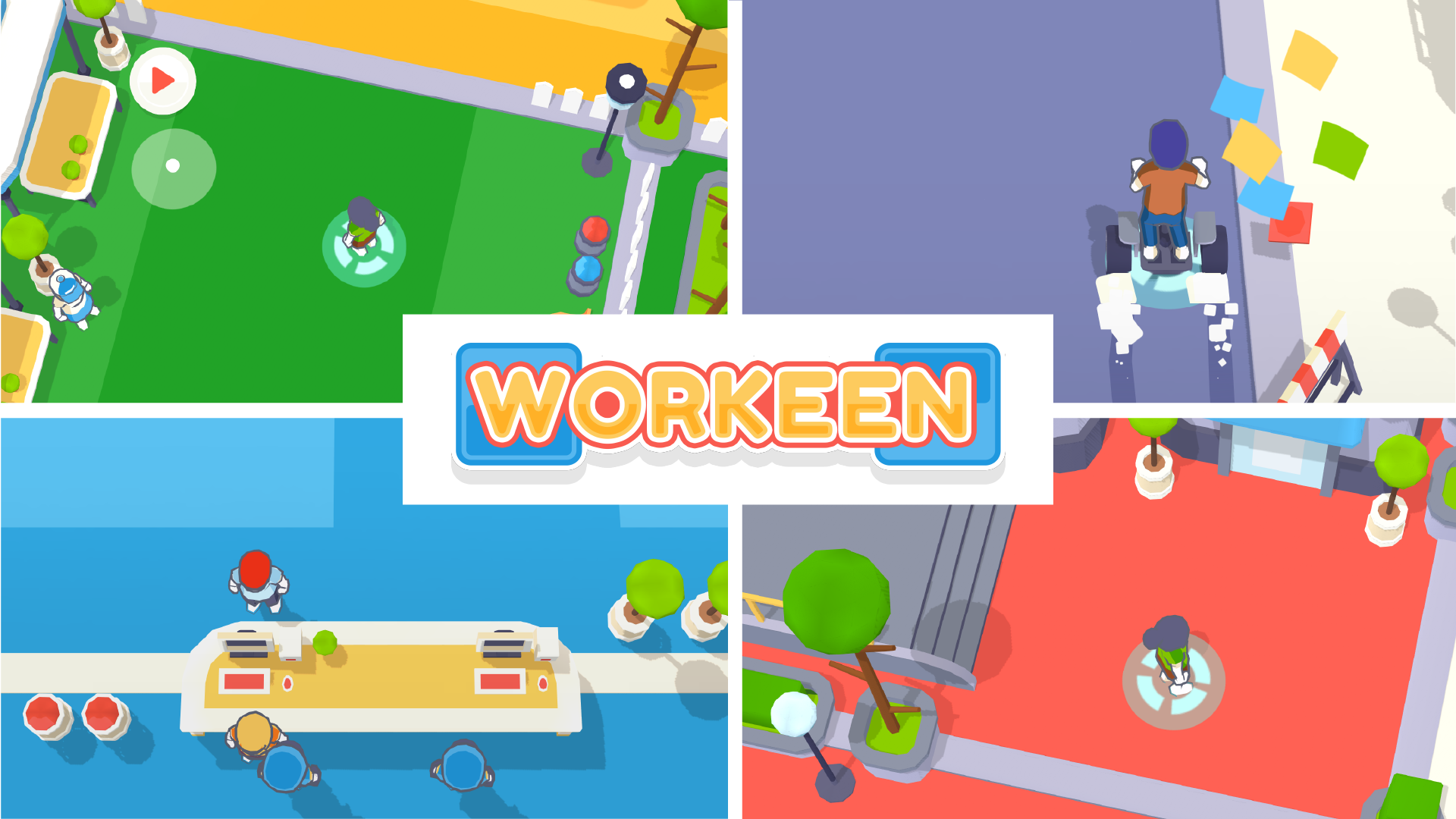
To mark World Refugee Day on June 20, 2020, a new application called WORKEEN launches to help migrants, asylum seekers and refugees gain access to the job market.

WORKEEN is a serious game application, created by a team of political scientists, sociologists, economists and software engineers based in seven European countries and in Canada, to provide practical guidance and hands-on soft-skills training for anyone entering the labour market for the first time. The application draws from the research conducted in the Horizon 2020 research project SIRIUS “Skills and Integration of Migrants, Refugees and Asylum Applicants in European Labour Markets” and is one of the first of its kind to offer interactive “training” that helps recently arrived migrant job seekers and EU citizens that are new entrants to the labour market, effectively obtain and start a job in their new country.

The application guides job seekers through the two stages of job search and workplace integration. It provides extensive information on how to adjust to new or unknown work and social environments and provides interactive gaming scenarios to help users develop the soft skills they need to be successful.

Stage 1) What you need to know and do to obtain a job offer

The first stage of WORKEEN helps the migrant, asylum seeker or the refugee follow all the necessary steps to secure an offer of employment. The application provides a checklist to help the user identify documentation they will need in their job search, such as their identity documents, language certificates, evidence of previous employment or education, and work permits. The user is then guided on how to present their skills and past experience through the creation of an online profile that is relevant to the new work and social environment they are entering.  WORKEEN leads users through the final stage of a job search, providing information on how to contact a placement agency, write a cover letter and curriculum vitae and prepare for a job interview.

Stage 2) How to succeed in your new role

Once the first stage is successfully completed, the job seeker can explore WORKEEN’s interactive activities to help them prepare to enter a new workplace. Stage 2 is designed to help new employees become familiar with their new country or new position so they may avoid unpleasant tensions. It also makes them aware of their rights and prepares them to address potential exploitation and abuse. Serious games like WORKEEN give participants training on such matters as etiquette at the workplace, gender issues, everyday habits, communication issues, dress code, as well as labour standards and regulations. WORKEEN creates scenarios to help users navigate challenging situations from simple miscommunication on everyday encounters with co-workers or supervisors to facing bullying or abusive behaviour in the workplace or rights’ violations.

The WORKEEN application is available on Google Play store for Android devices, free of charge. It can be used in individual or collective training sessions organised by employment agencies, migrant organisations and other stakeholders. Naturally, it can be directly downloaded by migrants, refugees and asylum seekers or anyone wanting to develop their soft skills to gain employment. The application is available in English, Arabic, Farsi and in six different European languages (Czech, Danish, Finnish, French, Greek and Italian).

**SIRIUS is an EU founded project which was launched in January 2018 and will run for three years. It is consisted of 11 partners from 7 countries and it builds on a multi-dimensional conceptual framework in which host country or political-institutional, societal and individual-related conditions function either as enablers or as barriers to migrants’, refugees’ and asylum seekers’ integration via the labor market.