Concerns over the upcoming exits of 8,300 refugees from their homes in Greece – Joint Letter to EU and Greek officials


Joint letter to: 

The Minister of Migration and Asylum, Notis Mitarachis 

The European Commissioner for Migration and Home Affairs, Ylva Johansson

The European Vice-President for Promoting our European Way of Life, Margaritis Schinas

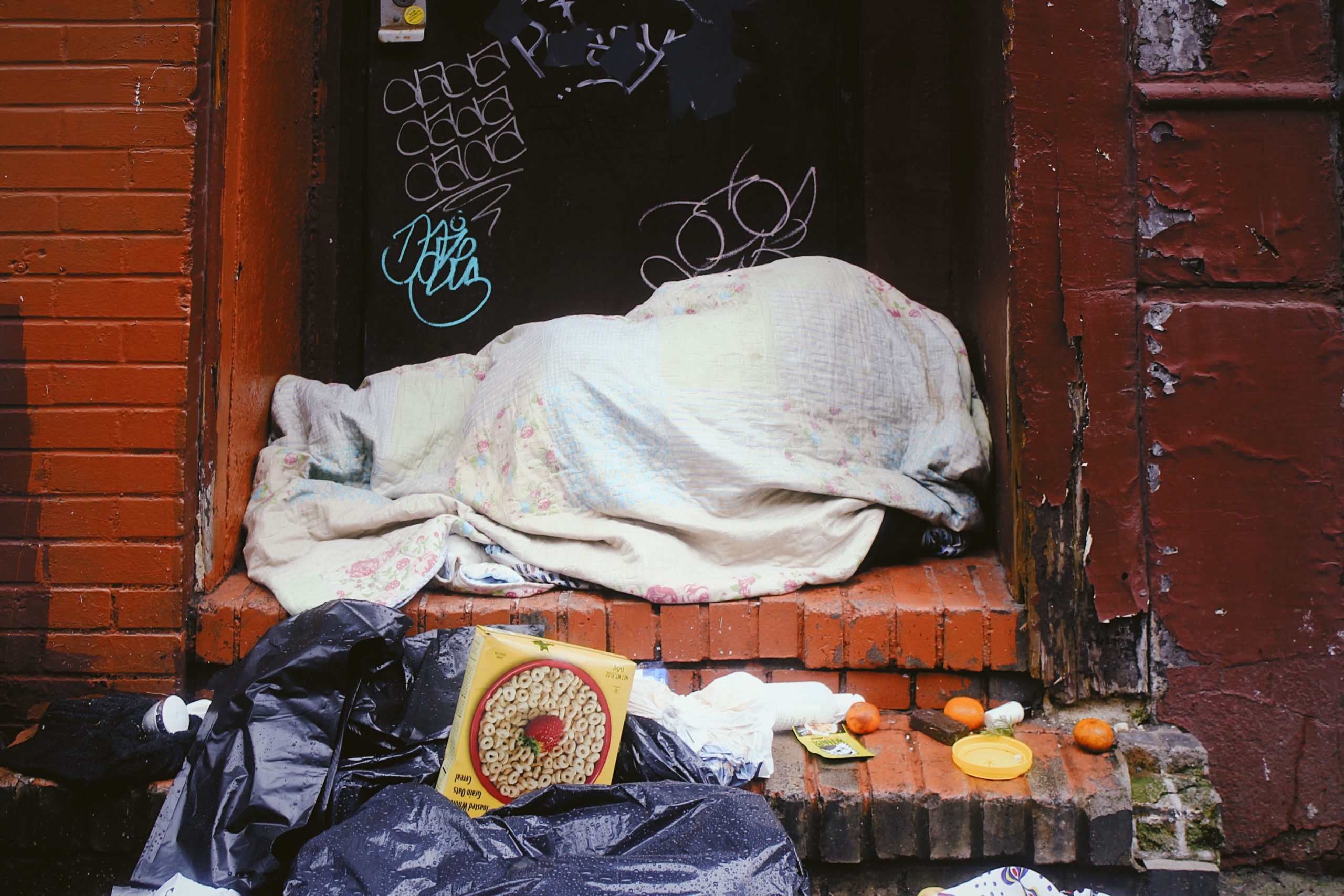
The undersigned organisations express their grave concern about the upcoming exits of at least 8,300 recognised refugees from accommodation and cash assistance schemes in Greece by the end of May 2020. A considerable number of these people, of which a large proportion are families with children, are facing an increased risk of homelessness amidst a global pandemic.

Refugees who have received international protection are being forced to leave apartments for vulnerable people in the Emergency Support to Integration & Accommodation programme (ESTIA), hotels under the Temporary Shelter and Protection programme (FILOXENIA), Reception and Identification Centres (RICs) and refugee camps. Almost simultaneously, financial assistance in the form of EU implemented and supported cash cards will stop. These upcoming measures will affect the livelihood of at least 4,800 people who need to leave ESTIA accommodation, 3,500 people who need to leave RICs and hosting facilities, as well as 1,200 refugees who are self-accommodated and receive cash assistance. 

The Hellenic Integration Support for Beneficiaries of International Protection programme (HELIOS) provides integration courses and contribute towards rental costs up to a maximum of twelve months for those that have to leave accommodation. In practice, out of 8,752 people enrolled in the HELIOS programme, only 1,590 people receive rental subsidies. 82 percent of people who enrolled in HELIOS since 2019 do not yet receive rental subsidies. To benefit from the HELIOS programme beneficiaries need to have a high level of independence and self-sufficiency. Beneficiaries need to provide a tax number, a bank account and procure a rental agreement to receive HELIOS support. As the Greek bureaucratic system is difficult to navigate, doubly so for non-Greek speakers, people face enormous challenges in finding accommodation, paying deposits, and enrolling in HELIOS. Other than the HELIOS programme which is only available to recognised refugees, apart from a few fragmented municipal and NGO initiatives there is no alternative social support, especially at the reception stage, which in Greece can last up to three years. 

The COVID-19 pandemic has affected everyone in Greece but restrictions on movement and measures to halt the spread of COVID-19 have disproportionately affected the population that now needs to leave accommodation. Lockdown has also meant that people have had no possibility to search for alternative housing, find employment or arrange the necessary requirements to enter the HELIOS programme. Even now that restrictions are slowly being lifted throughout the whole of Greece, life is far from returning to normal, especially for those in Reception and Identification Centres on the Aegean islands and the hosting facilities Ritsona, Malakasa and Koutsohero where restrictions on movement are extended until 7 June 2020. 

At least 8,300 people need to leave their accomodation by the end of May and only a small percentage are provided with integration support (including rental subsidies) through the HELIOS programme. The situation is exacerbated by the fact that people are almost simultaneously losing cash assistance from the cash card assistance programme. Although both ESTIA and HELIOS programmes are funded by DG HOME and implemented by the Greek Ministry of Migration and Asylum, there is no linkage between them to ease the transition from one to the other. As a result, a considerable number of vulnerable people will be left without any support or prospect of integration and will have to face a severely increased risk of becoming homeless. Bureaucratic obstacles have meant that many of these people do not have a tax number or a bank account, both necessary to get a job or rent an apartment. Indeed, according to UNHCR, only 7 percent of recognised refugees in the ESTIA programme have a bank account and 75 percent have a tax number. To make matters worse, the COVID-19 pandemic has made it impossible for people to find employment, alternative housing or arrange documentation for the HELIOS integration programme. 

Therefore, we urgently request you to ensure that: 

  • The deadline of exits from ESTIA, FILOXENIA, RICs and refugee camps are extended beyond the end of May so that people have adequate time to find alternative accommodation, search for employment and fully enrol in the HELIOS integration programme after being under restrictive measures since 13 March 2020. No one should face the risk of homelessness amid an ongoing global pandemic. 
  • The monthly financial support under the EU implemented (and supported) cash card assistance programme is extended for those who need to exit accommodation and face the risk of homelessness. 
  • Elderly people, people with serious medical problems and single parents, are included in the extension of exits from accomodation in addition to those already deemed extremely vulnerable such as women in the last terms of their pregnancy and women with high-risk pregnancies. 
  • A bridge is created between ESTIA and other reception accommodation to the HELIOS program which also includes self-accommodated people. Currently self-accommodated people cannot enrol in the HELIOS programme but still need integration support and financial assistance after receiving international protective status. 
  • Bureaucratic barriers are removed so that asylum seekers have access to all the legal documents they are entitled to, such as a social security number, a  tax number, and a bank account, so that people are able to seek employment and accommodation, to guarantee the right to housing.
  • A coherent and long term strategy on integration and housing is created as recent legislation requires newly recognised refugees to leave accommodation within 30 days instead of six months, significantly reducing the time for people to prepare themselves.

We remain at your disposal for more information.

Signed by:

  • A Drop in the Ocean
  • Action for Education
  • ANTIGONE – Information and Documentation Centre on Racism, Ecology, Peace and Non Violence
  • ARSIS – Association for the Social Support of Youth
  • Bridge2
  • CHEERing: Center for Health Equity, Education and Research International Group
  • CRIBS International
  • Danish Refugee Council (DRC)
  • DIOTIMA Centre
  • ECHO100PLUS
  • Ecological Movement of Thessaloniki
  • Equal Rights Beyond Borders
  • Fair Planet
  • FENIX Humanitarian Legal Aid
  • foodKIND
  • Free Movement Skateboarding UK 
  • Glocal Roots
  • Greek Helsinki Monitor
  • Greek Housing Network
  • Hellenic League for Human Rights
  • Help Refugees / Choose Love 
  • HIAS Greece – HIAS Ελλάδος 
  • Higher Incubator Giving Growth and Sustainability-HIGGS
  • Humanity Now / Direct Refugee Relief USA
  • HumanRights360
  • Humans for Humans
  • I AM YOU
  • Intereuropean Human Aid Association
  • International Rescue Committee (IRC)
  • INTERSOS Hellas
  • INTERSOS Organizzazione Umanitaria
  • InterVolve
  • Jesuit Refugee Service Greece (JRS Greece)
  • Legal Centre Lesvos
  • Lighthouse Relief (LHR)
  • Melissa: Network of Migrant Women in Greece
  • MIGREUROP
  • Migreurop
  • Mobile Info Team
  • Network for Children’s Rights – Δίκτυο για τα Δικαιώματα του Παιδιού
  • Northern Lights Aid
  • Omnes
  • One Happy Family
  • Pampiraiki Support Initiative for Refugees & Migrants
  • Project Armonia
  • Project Elea
  • ReFOCUS Media Labs
  • Refugee Legal Support (RLS)
  • Refugee Trauma Initiative
  • Refugee Youth Service
  • Samos Volunteers
  • ShowerPower Foundation
  • SolidarityNow
  • Still I Rise
  • Symbiosis-School of political studies in Greece, Council of Europe Network of Schools
  • Terre des hommes Hellas
  • The Lava Project
  • Velos Youth 
  • Verein FAIR.
  • Wave – Thessaloniki
  • Yoga and Sport For Refugees

Joint letter exits accommodation ENGLISH (29-05-2020)

Open Letter: The impact on unaccompanied minors of the proposed “Improvement of Immigration Legislation, amendment of provisions 4636/2019 (A ‘169), 4375/2016 (A’ 51), 4251/2014 (A ’80) and others”

Giorgos Moutafis for SolidarityNow

In light of the forthcoming vote in the Hellenic Parliament of a proposed Legislation by the Ministry of Migration and Asylum, 20 Civil Society Organizations including SolidarityNow, sent a letter to MPs expressing concerns about some of the proposed provisions that can potentially have a negative impact on unaccompanied children. We insist that the need to accelerate the process of awarding international protection cannot remove guarantees that safeguard the rights of unaccompanied children arriving to our country.

Read our letter and suggestions for improving the proposed provisions.


Athens, 4 May 2020

The impact on unaccompanied minors of the proposed “Improvement of Immigration Legislation, amendment of provisions 4636/2019 (A ‘169), 4375/2016 (A’ 51), 4251/2014 (A ’80) and others”

Dear Members of Parliament,

The undersigned organisations which are active in the field of the protection of children in migration would like to express our concern with respect to some of the proposed provisions, of the aforementioned proposal of the Ministry of Immigration and Asylum, which removes safeguards of the rights of unaccompanied children who arrive in our country. Equally, some of the proposed amendments conflict with provisions of international law, such as the International Convention on the Rights of the Child and UNHCR and EASO guidelines with respect to the examination of asylum applications of unaccompanied minors. As a result, there is an increased risk that such children will be deprived of the appropriate treatment provided for by national, Union and international law, and that they will come of age before their claim is processed, and consequently will lose their right to family reunion in other EU countries or their opportunity to move to countries in which they have expressed a desire to be accepted.

We would like to express our approval of some of the changes which have been made following on the public consultation, such as the clarification of the responsibilities of the Special Secretariat for the Protection of Unaccompanied Minors within the Ministry of Immigration and Asylum on the one hand, and the EKKA within the Ministry of Labour and Social Affairs on the other. We would also like to put to you some specific issues which still particularly worry us with respect to the draft legislation in its current form, along with corresponding suggestions as to how to improve the proposed new provisions.

Article 2 (as Article 15, addressed below) removes priority for the examination of applications for international protection when the applicant belongs to the category of vulnerable persons. Without the prioritisation of applications of unaccompanied minors, there is a risk that they will become of age before their request is examined, with the result that they are deprived of the more favourable treatment provided for by the Common European Asylum System,  including the Convention on the Rights of the Child.

We recommend maintaining the provision of Law 4636/2019 which is removed under the proposed changes, i.e. priority for the examination of applications for international protection when the applicant belongs to the category of vulnerable persons.

Article 5, paragraph 1, proposes that the entire registration of asylum applications be conducted by the Regional Services for Reception and Identification. The registration process is very important and must be conducted by expert authorities which are competent to examine applications for international protection, i.e. the Asylum Service. This would ensure the correct recording of the applicants’ details, as well as the reasons for which they seek asylum. Moreover, the Asylum Service is the only body which is competent to conduct the aforementioned registrations, as well as the processing of family reunion applications. Delegating the complete registration of asylum applications to the Regional Services for Reception and Identification does not guarantee the necessary safeguards, considering the proposals do not provide for special training for the the staff and may lead to cases in which the required documents are not released, jeopardising the right to apply for family reunification, which is crucial for unaccompanied children.

We recommend omitting Article 5, paragraph 1, as long as the specialised training of staff at the Regional Services for Reception and Identification is not guaranteed.

Article 15, in view of the planned amendment of paragraph 10 of article 83 of law 4636/2019, removes the exclusion of unaccompanied children from the expedited procedure for the examination of asylum claims. The explicit and absolute exclusion of unaccompanied children from the expedited procedure should be reinstated. Reduced procedural guarantees, such as stricter deadlines and the removal of the right to reside in Greece during the examination of an appeal, conflict with the principle of the best interests of children.

We recommend amending paragraph 10 of Article 83 of law 4636/2019, as follows: “applications for international protection of unaccompanied minors will under no circumstances be examined by way of the expedited procedure”.

Article 15 also removes priority for the examination of applications for international protection when the applicant belongs to the category of vulnerable persons (as in Article 2, above), there is a risk that they will come of age before their request is examined, with the result that they are deprived of the appropriate protection and treatment.

We recommend maintaining the provision of Law 4636/2019 which is removed under the proposed changes, i.e. priority for the examination of applications for international protection when the applicant belongs to the category of vulnerable persons.

Article 27 prohibits the referral of cases by the Appeals Authority to the Asylum Services constitutes an unjustified reduction of the scope of jurisdiction from the asylum procedure.

We recommend the removal of the provision, and suggest providing for referrals to the first instance, especially of given cases where there are evident errors or a lack of procedural guarantees in the examination of asylum applications.

Article 60 paragraph (e) removes the power of the Independent Appeals Commissions to refer cases to the competent authorities of the Ministry of Immigration and Asylum for the issuance of a residence permit for humanitarian reasons. With regards to unaccompanied children whose application has been rejected in an appeal, legal provision must be made for them to lawfully remain in the country until they are of age. It is Greece’s duty to take account of the legal principle of best interests (of the child), which can hardly be considered to allow for them to remain in Greece illegally after a full and final rejection of their application for international protection. At the same time, we must have due regard for children who come of age and participate in the process of social integration over an extended period, have lived in the country for a long amount of time and have developed social ties to the community.

We recommend removing paragraph (e) from Article 60.

Sirs/madams, Members of Parliament, we understand the need to improve procedures in order to accelerate the process of awarding international protection, which is the aim of the new proposed legislation. At the same time, however, it is important that established guarantees are not removed so as to ensure the safeguarding of the rights of unaccompanied children in our country, as it is precisely these rights which immigration law is meant to protect. Unaccompanied children should first and foremost be treated as children.

We are at your disposition for more information,

Yours sincerely,

The undersigned organisations:

  • ARSIS
  • Medecins du Monde
  • Danish Refugee Council
  • Defence for Children International Greece
  • Network for Children’s Rights
  • Greek Refugee Forum
  • Greek Council for Refugees
  • ELIX
  • Equal Rights Beyond Borders
  • Faros
  • Help Refugees/ Choose Love
  • HIAS Greece
  • HumanRights360
  • International Rescue Committee (IRC)
  • Legal Centre Lesvos
  • METAdrasis
  • Refugee Legal Support
  • Praksis
  • Solidarity Now
  • Terre des hommes Hellas

OPEN LETTER: STATES MUST INTEGRATE THE NEEDS OF CSOs INTO THEIR POLICIES


SolidarityNow co-signs an open letter addressed to Ms Von der Leyen, Ms Jourova and Mr Reynders at the European Commission asking for support towards the civil society sector during the  #COVID19 crisis. The letter notably asks European Institutions to recognise the civic sector’s role in the pandemic and include it in any measures aimed at dealing with the crisis and with the aftermath.


European Civic Forum

167, boulevard de la villette

75010 Paris

France

Ursula von der Leyen

Věra Jourová

Didier Reynders

European Commission

Rue de la Loi / Wetstraat 200

1049 Brussels


Brussels, 10 April 2020

CSOs MUST BE ABLE TO KEEP ACTING IN RESPONSE TO SOCIAL EMERGENCIES

STATES MUST INTEGRATE THE NEEDS OF CSOs INTO THEIR POLICIES

Dear Ms Ursula Von Der Leyen,

Dear Ms Věra Jourová,

Dear Mr Didier Reynders,

Our societies are going through an unprecedented crisis in Europe in times of peace. The institutions of the European Union and the Member States have taken decisions dictated by the urgency to slow down the spread of the pandemic. Production is disorganized. Workers’ incomes are already massively affected. Support measures are being taken, aimed at companies and employees. This is necessary and must continue. It must be generalized where institutional intervention is still awaited.

For decades, civil society organisations (CSOs) and the third sector have played an essential role in supporting vulnerable communities and populations. From one country to another, our organisations have different status and modus operandi. The tasks they perform also vary. But everywhere they are in the front line to witness the precarious situations people suffer from, trying to respond to people’s needs for effective access to rights, to alert on the limitations and adverse consequences of public policies.

This onset of crisis shows how diverse and fundamental civil society organisations roles are. The crisis has increased the vulnerabilities experienced by those who were already vulnerable. New populations are being added to those who are already fragile. The CSOs need to see their means of action strengthened. Many are already in difficulty.

The CSOs need the authorities to listen to them so that their alerts are taken into account without delay. In some Member States this is often the case, in others not at all. And often, not because of a lack of will but because of a lack of capacity, the institutions do not react with the necessary urgency. Like the health workers in hospitals, they have too many problems to solve at once.

The CSOs are there. They know what is going on in the field. They have the confidence of the people. They must be supported and given the means to better address vulnerabilities in our societies.

We call on the European Commission to pay attention, in all the initiatives it takes, to including the CSOs in order to give them the place they deserve. This concerns in particular:

  • Ensuring that CSOs benefit in all Member States from all measures taken to help maintain the capacities of companies, and in particular so that they can keep their premises and staff. This is important during the crisis. And it is equally important in the post-crisis period. Our societies must not lose the unique expertise and capacity of CSOs in dealing with vulnerable groups.
  • Ensuring that CSOs have access to public authorities, at all levels, in all Member States, so that their alerts, analyses and proposals are included in the decision-making process, both during and after the crisis.
  • Taking action vis-a-vis public authorities where they do not conduct this civil dialogue with CSOs.

The management of the crisis has changed the way in which many States considered their role. More than a regulatory role, States play a direct role. Rather than organizing individualization in society, States take direct responsibility and action aiming at general economic and social cohesion. There is a very good reason for this change: it is to act for the common good, which is not the sum of individual interests.

CSOs have always been the actors whose action is guided by the objective of the common good. The States, which seek to act in this direction in the context of emergency, will find experienced partners in the associations. Provided they take measures that prevent the collapse of the fragile world of CSOs.

We are counting on the European Commission to act swiftly and publicly in support of the CSOs’ role and action capacities during the crisis and in the reconstruction of the social fabric beyond the present moment.

LIST OF SIGNATORIES 

  • European Civic Forum – Europe
  • Centre for Information Service, Cooperation and Development of NGOs (CNVOS) – Slovenia
  • Interest Group of Public Benefit Organizations (IGO) – Austria
  • Plataforma de ONG de acción social – Spain
  • Spiralis –Czech Republic
  • Ökotárs Alapítvány – Hungary
  • The Wheel – Ireland
  • De Verenigde Verenigingen – Belgium
  • National Federation of Polish NGOs (OFOP) – Poland
  • Civil Society Development Foundation (FDSC) – Romania
  • National Network for Civil Society  (B.B.E) – Germany
  • NGO Information and Support Centre (NISC) – Lithuania
  • Finnish Development NGOs (Fingo) – Finland
  • Wales Council for Voluntary Action (WCVA) – Wales
  • Croatian Platform for International Citizen Solidarity (CROSOL) – Croatia
  • Le Mouvement associatif – France
  • Civic Alliance – Latvia
  • Forum del Terzo Settore – Italy
  • Frivillighet Norge – Norway
  • Network of Estonian Non-profit Organizations – Estonia
  • SolidarityNow, Greece
  • SOLIDAR – Europe
  • European Volunteer Centre – Europe
  • Volonteurope – Europe
  • CARITAS Europa – Europe
  • European Humanist Federation – Europe
  • Association Européenne de Défense des Droits de l’Homme – Europe
  • AEGEE / European Students’ Forum, Europe
  • Democracy International – Germany
  • Cap Magellan – France
  • New Europeans – United Kingdom
  • ARCI Nazionale – Italy
  • Ligue des Droits de l’Homme – France
  • Maison de l’Europe de Paris – France
  • CIPSI – Italy
  • Union of European Federalists – Czech Republic
  • Europa Haz – Hungary
  • Association Européenne de l’Éducation – France
  • A Buon Diritto – Italy
  • European Movement (CIME) – Italy
  • European Institute Foundation – Bulgaria
  • Stefan Batory Foundation – Poland
  • Institute of Public Affairs – Poland
  • We Are Europe – Germany
  • Center for Philanthropy – Slovakia
  • AOI – Italy
  • Forum Femmes Méditerranée Paris – France
  • CReA Onlus – Italy
  • ACI – CENTRO INTERCULTURACIDADE – Portugal
  • Fundatia Missio Link International – Romania
  • Norwegian Helsinki Committee – Norway
  • Business & Professional Women CR – Czech Republic
  • International Youth Association TIP – Georgia
  • Circular Economy Club Batumi – Georgia
  • Netherlands Helsinki Committee – Netherlands
  • Luxembourg League for Human Rights – Luxembourg
  • Stichting Netwerk Democratie – Netherlands
  • GSI Italia – Italy
  • Association for Democratic Initiatives – North Macedonia
  • Youth Work – Ireland
  • Refugee Legal Support (RLS), Greece
  • Network for Children’s Rights, Greece
  • Jesuit Refugee Service, Greece
  • FENIX Humanitarian Legal Aid, Greece
  • Action for Education, Greece
  • AMURT-AMURTEL HELLAS, Greece
  • VELOS YOUTH, Greece
  • ARSIS – Association for the Social Support of Youth, Greece
  • ReFOCUS Media Labs, Poland, Greece
  • CHEERing: Center for Health Equity, Education and Research International Group, Greece
  • Zaatar NGO, Greece
  • HuBB – Humans Before Borders, Portugal
  • Free Movement Skateboarding, Greece
  • Refugee Rescue, United Kingdom
  • Mobile Info Team, Greece
  • Humanistische Vereinigung Würzburg, Germany
  • NIOK Foundation, Hungary
  • Védegylet Egyesület, Hungary
  • Northern Lights Aid, Greece
  • Hungarian Helsinki Committee, Hungary
  • Clean Air Action Group, Hungary
  • Avocats Sans Frontières France, France
  • Terre des Hommes, Belgium
  • Youth Professionals Society, Hungary
  • Mertek Media Monitor, Hungary
  • Real Pearl Foundation, Hungary
  • Nyomtass te is!, Hungary
  • ÉLETFA Segítő Szolgálat Egyesület, Hungary
  • Nők a Balatonért Egyesület (Women for the Lake Balaton), Hungary
  • Veszprémi Nők Kerakasztala Egyesület, Hungary
  • SZOCSOMA, Hungary
  • Freedom stage, Hungary
  • Közösségfejlesztők Egyesülete, Hungary
  • Roma Parliament Association of Hungary, Hungary
  • Hívatlanul Hálózat, Hungary
  • European Cultural Foundation Budapest, Hungary
  • Szegényeket Támogató Alap Egri Alapítványa, Hungary
  • Fauna Alapítvány, Hungary
  • Independent Hungarian Artists Organisation, Hungary
  • Hungarian Art- and Socio-therapy Community-building Association, Hungary
  • OHA, Hungary
  • Civil Művek Közművelődési Egyesület, Hungary
  • Diversity Foundation, Hungary
  • Carpathian Foundation-Hungary, Hungary
  • Missio Link International Foundation, Romania
  • Association of the European Freelancer Artists, Hungary
  • Magyar Pedagogiai Társaság, Hungary
  • Union of European Federalists, Hungary
  • Roots & Wings Foundation, Hungary
  • Oktatói Hálózat – Network of Academics, Hungary
  • Asociatia Saraci Anonimi, Romania
  • Jogismeret Alapítvány, Hungary
  • Hálózat a Tanszabadságért, Hungary
  • Ligetvédők (CityPark Defenders), Civil Zugló Egyesület, Hungary
  • Szociális Innováció Alapítvány – Social Innovation Foundation, Hungary
  • Association of vVillage caretakers between Duna and Tisza, Hungary
  • Civil Közösségi Házak Magyarországi Egyesülete, Hungary
  • Élettér Közösség- és Településfejlesztő Egyesület, Hungary
  • Magosfa Foundation, Hungary
  • Validity Foundation – Mental Disability Advocacy Centre, International
  • Amnesty International, Hungary
  • Magyar Zsonglőr Egyesület, Hungary
  • Szivárvány Misszió Alapítvány (Rainbow Mission Fundation), Hungary
  • Hungarian Society for Environmental Education, Hungary
  • Campaign to Stop Killer Robots activist network, Hungary
  • Home inside of soul Foundation, Hungary
  • Európa Ifjúsága Egyesület, Hungary
  • Refugee Rescue, UK & Greece
  • Érdekvédelmi Szövetség, Hungary
  • Hegedűs Károly Eleven Vecsésért Egyesület, Hungary
  • Patent Association, Hungary
  • JOL-LET (Well-being) Foundation, Hungary
  • EJHA – Network of Human Rights Trainers, Hungary
  • Civil Kozoktatasi Platform (Civil Platform for Public Education), Hungary
  • Liget Műhely Alapítvány, Hungary
  • Hungarian History Teachers’ Association, Hungary
  • Contreras Roberto, Hungary
  • Gaja Környezetvédő Egyesület, Hungary

Open letter to European governments: Immediately honour commitments to relocate unaccompanied children from the Greek islands

Giorgos Moutafis for SolidarityNow

Athens, 3 April 2020

We, the undersigned organizations, jointly call on European governments to proceed immediately with the emergency relocation of unaccompanied children from the Reception and Identification Centres (RICs) on the Greek islands, with no discrimination, giving precedence to existing family links and the best interests of the child.

In mid-March, a group of seven EU member states announced they would take in unaccompanied children from the islands. Since then, while an additional country pledged to relocate, efforts have largely stalled. Yet, immediate action is all the more urgent in light of the COVID-19 pandemic.

We welcome Commissioner Johansson’s announcement in the European Parliament on 2 April, that a group of children will be transferred to Luxembourg next week. It is imperative this takes place as planned, and we encourage other countries to swiftly do the same.

Now, more than ever, the protection of unaccompanied children needs to be ensured and all efforts to help decongest the RICs must be fully supported, if the people living there are to have any chance of protecting their lives and health and complying with measures aimed at limiting the spread of COVID-19.

Tens of thousands of people remain trapped in the camps on the Greek islands, including older people, people with disabilities, those with serious health conditions, families with children  and pregnant women. Amongst them are 1,752 unaccompanied children[1]. Most of them are deprived of access to their most basic rights, such as shelter and adequate food, medical, psychosocial care, as well as education. Overcrowding and extremely limited access to running water, toilets and showers, make it impossible to abide by the guidelines for protecting oneself from COVID-19, putting them at significantly heightened risk of infection, serious illness or death, especially  those with underlying health conditions.

With eight cases of COVID-19 already confirmed as of the start of April among the local population on the island of Lesvos, and one on Samos[2], now is the time to act.

The recent pledges by -now- eight states to relocate 1,600 of these unaccompanied children from the islands sent a much-needed signal of solidarity. Honouring these commitments without delay is now of critical importance to protect these children.

The European response to the pandemic has already demonstrated that the swift and safe transfer of people to EU member states from across the globe is possible. Since the beginning of the COVID-19 outbreak, the European Emergency Response Center has evacuated more than 10,000 EU citizens from China, Japan, the US, Morocco, Tunisia and other countries[3]. Germany alone was able to repatriate 170,000 holiday-makers around the world in a matter of days due to the pandemic.[4] The same must be done for the most vulnerable people in the Greek island camps. Doctors, public health professionals and academics[5] have already outlined how children can be relocated from the RICs with sufficient protection and health security measures, in line with medical guidelines for COVID-19.

We urge Germany, France, Portugal, Finland, Lithuania, Croatia, Ireland to follow Luxembourg’s lead in this emergency, and ensure that their pledged relocations are immediately implemented. All relocations must be done in line with the best interests of the child, with priority to family links, ensuring broad eligibility that does not discriminate against specific nationalities, gender, date of arrival or certain age groups.

Meanwhile, we call on additional European countries to join with pledges of their own to relocate more of these children and ensure that all unaccompanied children now trapped in the island RICs in Greece can be safely relocated immediately.

Where there is political will, these transfers are possible. There is no time to lose.


Signed by:

ActionAid Hellas

Action for Education

Amnesty International

ARSIS – Association for the Social Support of Youth

Avocats Sans Frontières, France

Better Days

Caritas Europa

Caritas Hellas

Center for Health Equity Education and Research International Group AMKE CHEERing

Češi pomáhají, Czech Republic

COSPE, Italy

CVCS, Italy

Danish Refugee Council (DRC)

Defence for Children the Netherlands

Defence for Children International, Greece

Diaconia ECCB – Centre of Relief and Development, Czech Republic

Dirty Girls of Lesvos

Donate4Refugees, UK

Dynamo International – Street Workers Network, Belgium

Echo100Plus

Fair Planet

Fenix Humanitarian Legal Aid

FOCSIV Italy

Free Movement Skateboarding, UK

Greek Council for Refugees (GCR)

Greek Forum of Refugees (GFR)

Help Refugees/Choose Love

HIAS Greece

HuBB – Humans Before Borders, Portugal

HumanRights360

Human Rights Watch

Humanity Now, USA

I AM YOU

Indigo Volunteers, UK

International Catholic Migration Commission (ICMC) Europe

International Rescue Committee (IRC)

Khora

Lighthouse Relief (LHR)

Lumos Foundation

Médecins du Monde (MdM)

Metadrasi

Mobile Info Team

Network for Children’s Rights

Northern Lights Aid

Office of Displaced Designers

OMEP

Pampiraiki Support Initiative for Refugees & Migrants

Praksis

ReFOCUS Media Labs

Refugee Legal Support

Refugee Rescue

Refugee Rights Europe

Refugee Support Europe, Cyprus

Refugee Youth Service, UK/France

SAO Association, for displaced women, Switzerland

SEEBRÜCKE, Germany/ Switzerland/ Belgium/ Austria

Seeds of Humanity, Israel

Seeds of Humanity Hellas

ShowerPower

Solidarity Now

SOS Villages Greece

Stichting Vluchteling, Netherlands

Still I Rise

Terre des hommes

The Home Project

Velos Youth

Verein Fair, Switzerland


[1]http://www.ekka.org.gr/images/%CE%A3%CE%A4%CE%91%CE%A4%CE%99%CE%A3%CE%A4%CE%99%CE%9A%CE%91_2020/EKKA%20Dashboard%2029-2-2020.pdf

[2] https://eody.gov.gr/wp-content/uploads/2020/03/covid-gr-daily-report-29-03-20.pdf

[3]https://ec.europa.eu/info/live-work-travel-eu/health/coronavirus-response/crisis-management_en, accessed 2 April 2020

[4]https://euobserver.com/coronavirus/147944?utm_source=euobs&utm_medium=email

[5]https://www.evacuate-moria.com/?fbclid=IwAR3UVJh6439OgpQdjOp8Te5rpS_z813xs1-RdhoozpL1EdCRh1PiGrV6pqU

Greece: Move Asylum Seekers, Migrants to Safety


Immediate Hotspot Decongestion Needed to Address COVID-19

(Athens, March 24, 2020) – Greece’s government should immediately reduce congestion in the islands’ Reception and Identification Centers (RICs) for asylum seekers and migrants to avert a public health crisis amid the coronavirus pandemic, 21 human rights and humanitarian organizations said today.

Thousands of people, including older people, those with chronic diseases, children – including very young and unaccompanied children –, pregnant women, new mothers, and people with disabilities, are trapped in dangerously overcrowded, deplorable conditions on the islands amid the COVID-19 pandemic. Forcing asylum seekers to remain in conditions that violate their rights and are harmful to their well-being, health, and dignity cannot be justified on grounds of public health, the organizations said.

International human rights law requires that the health needs of asylum seekers and migrants be addressed and, in the context of the COVID-19 pandemic, any restrictions on rights for reasons of public health or national emergency be lawful, necessary, and proportionate as well as nondiscriminatory.

On March 17, 2020, Greece’s government announced measures to prevent a coronavirus outbreak in RICs on the islands, the so-called “hotspots,” that essentially put the camps on lockdown, trapping thousands of asylum seekers and migrants. The measures include suspending all special activities and facilities in the camps, including non-formal schools, while no visitors, including members of aid organizations and agencies providing essential services, will be allowed into the RICs for at least two weeks, the Migration and Asylum Ministry said. Camp residents will be prevented through strict controls from venturing outside the facilities, even to get supplies, but also from circulating within them without good reason.

On March 22, Greece’s prime minister announced a nationwide lockdown banning “all unnecessary movement by citizens.”

As of March 22, the population of the hotspots on Lesbos, Chios, Samos, Kos, and Leros was almost 31,400 over capacity, with 37,427 people in facilities with a total capacity of just 6,095. Conditions in the centers cannot be characterized as suitable for dignified, humane living, the groups said. Extremely limited access to running water, toilets, and showers, as well as hours-long lines for food distribution and insufficient medical and nursing personnel, make it impossible to abide by the guidelines for protection from the coronavirus, putting people at significantly heightened risk in the face of the growing threat of widespread COVID-19 transmission.

Greece’s government should adopt measures to prevent an outbreak and prepare a response plan to be enacted immediately once the first case of COVID-19 in a reception center is detected. In the event of an outbreak, a quarantine that would trap tens of thousands of healthy people together with people infected by COVID-19 in the overcrowded camps, accompanied by a lack of adequate and appropriate medical preparedness and response, would almost certainly lead to preventable deaths of numerous people, the organizations said.

Greece’s government should take the measures outlined below, which will reduce the risk of COVID-19 infections among the population living in these centers and generally help protect public health:

  • Move people out of the reception centers to appropriate, small-scale centers on the mainland, such as hotels and apartments, taking necessary precautions for safe transport. This will enable the government to carry out the guidelines against the spread of the coronavirus. Priority should be given to older people, people with chronic diseases and serious underlying medical conditions, people with disabilities, pregnant women, new mothers and their children, and children, including those who are unaccompanied. Accommodation for people with disabilities should be reasonably adapted as needed, taking individual needs into account. Suitable shelters for unaccompanied children should be established immediately.
  • Adopt special measures to guarantee universal and unhampered free access to healthcare in the public system for asylum seekers, refugees, and migrants alike without discrimination, including testing and treatment for COVID-19. These groups should also have access to any preventive measures put in place in Greece in response to COVID-19, as do people in the rest of Greece. Asylum seekers should receive without delay their Provisional Insurance and Health Care Number (PAAYPA), as mandated by Common Ministerial Decision 717.2020.
  • Supply the reception centers with adequate sanitary and hygiene products and ensure continuous running water so that residents can follow the guidelines of the National Public Health Organization and the World Health Organization (WHO) regarding protection from COVID-19. Ensure frequent disinfection of common areas, bathrooms, and toilets, as well as timely collection and removal of waste.
  • Provide information to all residents of the reception centers about (a) how to prevent COVID-19 and (b) what to do and how to get help if they experience symptoms of COVID-19 in a wide range of languages, including ones that are less frequently used. People with disabilities should be provided with information in accessible formats, such as sign language, captioning, text, and easy-to-read messages. Ensure necessary responsive measures are available such as self-isolation and quarantine areas, and medical personnel with adequate training and protective gear.
  • Urgently address the situation and special needs of people living in the informal settlements adjacent to the camps, as these groups may face additional challenges due to inadequate access to water and sanitation, hygiene products, and garbage collection.
  • Ensure, until the reception centers are decongested, that they have adequate numbers of medical and nursing personnel, as well as mental health support services. Where possible, these services could be provided remotely.

The following quotes may be attributed to members of the groups involved:

“Restricting thousands of women, men, and children in severely overcrowded camps, where living conditions are unacceptable, makes it impossible to isolate people exposed to COVID-19 or to comply with minimum preventive and protective measures, even hand washing and social-distancing,” said Eva Cossé, Greece researcher at Human Rights Watch. “The Greek government urgently needs to move people to mainland Greece.”

“The government must take the necessary steps in order to ensure that the thousands of asylum seekers and migrants living in claustrophobically congested RICs are protected,” said Vassilis Kerasiotis, HIAS Greece country director. “They should be relocated to otherwise empty hotels and apartments where they can practice social distancing. In these hard times, no one should be left behind. It is not only a moral but also a prudent thing to do, since the fates of asylum seekers as well as those of the locals are inevitably bound together in the face of the pandemic.”

“Asylum seekers and migrants residing in RICs should have equal access to protection and medical assistance as the rest of the Greek population, ” said Dimitra Kalogeropoulou, head of IRC Greece. “The most effective way to curb the spread of COVID-19 is by ensuring that everyone can take meaningful measures to protect themselves, including adequate access to sanitation, space, and healthcare. ”

“Given current conditions in the hotspots, containing any outbreak would be impossible and could potentially put thousands of lives in danger,” said Antigone Lyberaki, general manager at SolidarityNow. “There is a window of opportunity to address this issue while the situation is still manageable, but we fear this window may be closing fast.”

“When the virus hits overcrowded camps in Greece, the consequences will be devastating,” said Fotini Kokkinaki with HumanRights360. “That will be a nightmare within an existing nightmare since the public health system has collapsed during the previous years of economic depression. We must act now before it is too late.”

Organizations signing the news release:
Action Aid Hellas
Amnesty International
ARSIS – Association for the Social Support of Youth
Defence for Children International Greece
ELIX NGO
Greek Forum of Refugees
Help Refugees / Choose Love
HIAS Greece
HumanRights360
Human Rights Watch
International Rescue Committee
Jesuit Refugee Service Greece (JRS Greece)
Legal Centre Lesvos
Médecins du Monde – Greece (MdM-Greece)
Network for Children’s Rights
Praksis
Refugee Legal Support
Refugee Rights Europe
Refugee Support Aegean
Solidarity Now
Terre des hommes Hellas

CHILDREN REMAIN INVISIBLE: JOINT OPEN LETTER

Giorgos Moutafis for SolidarityNow

In an open letter addressed to the Greek and European political leadership, 24 civil society organisations express our concerns about recent developments at the country’s borders, in particular those concerning people who have arrived to Greece since March 1st, as among the newcomers, there are families with children and according to all indications unaccompanied minors. The suspension of the right to asylum and the lack of a comprehensive plan to manage new arrivals and issues affecting all children on the move currently in the country, violates fundamental rights and endangers human lives.

Yesterday’s tragic death of a child at Moria camp caused by fire is a reminder that a more effective refugee management policy and a comprehensive and functioning child protection system are urgently needed.

Read below the letter and our appeals.


“CHILDREN REMAIN INVISIBLE”


JOINT OPEN LETTER

TO

THE GREEK PRIME MINISTER, KYRIAKOS MITSOTAKIS

MINISTER OF MIGRATION AND ASYLUM, NOTIS MITARAKIS

ALTERNATE MINISTER OF MIGRATION, GEORGE KOUMOUTSAKOS

SPECIAL SECRETARY FOR THE PROTECTION OF UNACCOMPANIED MINORS, IRINI AGAPIDAKI

PRESIDENT OF THE EUROPEAN PARLIAMENT, DAVID SASSOLI

PRESIDENT OF THE EUROPEAN COUNCIL, CHARLES MICHEL

PRESIDENT OF THE EUROPEAN COMMISSION, URSULA VON DER LEYEN


Athens, 16 March 2020

The humanitarian, child protection and human rights organizations co-signing this letter have been actively involved in the refugee field for many years. In view of recent developments at the country’s borders, in particular those concerning people who have been in Greece since March 1st, first residing in a military naval ship at the port of Mytilene and then being transferred to the mainland, we would like to express our deep concern regarding the fact that among the newcomers, there are families with children, and (according to all indications) unaccompanied minors for whom we have no information. In addition, we express concern for those children living alone, without any protection, and in conditions of unacceptable negligence in Skala Sikamias (Lesbos), whose fate is also neglected. Therefore:

We would like to ask you to answer to the following questions:

  • Have the necessary identification and registration processes and the necessary provision of special care and protection children are entitled to, been implemented?
  • Are these children at risk of being detained and deported as it was announced for everyone who arrived after the 1st of March?
  • Are there plans to process potential family reunification cases that are amongst them?
  • Have all the necessary protection, care and psychosocial support measures following the outbreak of the COVID-19 coronavirus pandemic been taken, in accordance with the guidelines of the World Health Organization?

It should be noted that according to the most recent data from the National Center for Social Solidarity (15th February 2020), there are 5,424 unaccompanied minors in the country, of whom 490 are under 14 years old, while 1,092 alone children are reported to be ‘living in insecure housing conditions, such as living temporarily in apartments with others, living in squats, being homeless and moving frequently between different types of accommodation”.

Since the commitments enshrined in the “No Child Alone” program have not been implemented yet (i.e. to create an adequate amount of long-term accommodation facilities with the necessary services and provisions for the 4,000 children outside of the official child protection system) – our concern for new arrivals is constantly increasing.

Based on the above we would like to kindly request:

  • Information on the exact number and the condition of unaccompanied minors who have entered the country since the beginning of March, and the relevant child protection measures that you have taken, especially for their protection and psychosocial support during the outbreak of the coronavirus pandemic.
  • Information on the existence of a long term plan and timeline for the management of new child arrivals and all relevant issues regarding child protection for all children on the move that are currently in Greece.
  • The withdrawal of the recent Emergency Legislative Decree (ELD- Government Gazette A ’45 / 2-3-2020) via which “asylum applications from people that have been illegally crossing borders since March 1st are suspended”, that also includes unaccompanied minors. We are requesting the immediate registration of all asylum requests, giving priority to unaccompanied children, families with children and all vulnerable cases.  As recently stated by the EU commissioner for home affairs, Ylva Johansson: “Individuals in the European Union have the right to apply for asylum. This is in the treaty, this is in international law. This we can’t suspend.”  Applying such a regulatory provision violates the fundamental principle of non-refoulement, and incurs international responsibilities for Greece and endangers human lives.
  • To avoid deportations of unaccompanied minors back to countries where their lives and freedom are at risk, facing the risk of torture or any other inhumane or degrading treatment or punishment.

We also kindly reiterate our appeals to:

  • Receive information on the beginning of implementation of the new regulatory framework for guardianship of unaccompanied children in accordance with the relevant provisions of Law 4554/2018 that was supposed to take effect on March 1st, 2020.
  • End the detention of unaccompanied minors in Greece. Protective custody has already been ruled by the European Court of Human Rights (ECHR) to be contrary to the European Convention on Human Rights. During the last year ECHR has condemned Greece several times for detaining minors.

We also call upon the member states of the European Union to show solidarity, follow the promising example of France, Germany, Portugal, Finland and Luxembourg and move forward with a fair relocation of unaccompanied children, while taking the necessary steps towards family reunification, and creating a long-term integration strategy for Europe.

Concluding, we would like to recall that European Parliament President David Sassoli, following his recent visit to Evros, made a special reference to unaccompanied children, stressing the need “to show commitment and to create a long term inclusion strategy to protect thousands of children that arrive alone on Europe’s shores.”

As aid, human rights and child protection organizations, we will continue to provide services to children found in our country alone, driven by dangerous conditions in their country of origin and travelling via extremely hazardous routes. We are ready to assist your work whenever this is deemed necessary.

List of Signatories


ARSIS – ASSOCIATION FOR THE SUPPORT OF YOUTH (Greece)

CESIE (Italy)
DANISH REFUGEE COUNCIL (DRC) (Greece)
DAY CENTER BABEL (Greece)
DEFENCE FOR CHILDREN INTERNATIONAL (Greece)
DIOTIMA (Greece)
GREEK COUNCIL FOR REFUGEES (Greece)

HELP REFUGEES / CHOOSE LOVE (Greece, UK)

HIAS (Greece)
HUMANRIGHTS360 (Greece)

HUMAN RIGHTS WATCH

INTERNATIONAL RESCUE COMMITTEE (IRC) (Greece)
INTERSOS (Greece)
INTERSOS (Italy)
MELISSA NETWORK (Greece)
NETWORK FOR CHILDREN’S RIGHTS (Greece)
PRAKSIS (Greece)
REFUGEE LEGAL SUPPORT (Greece)

REFUGEE RIGHTS EUROPE (Belgium, France, Greece, Italy, UK)

SOLIDARITY NOW (Greece)
STATE OF CONCEPT (Greece)
STIL – UTRECHT (Netherlands)
TERRE DES HOMMES (Greece)
THE HOME PROJECT (Greece)

* The foregoing organizations also co-sign the relevant letter of 6 March 2020:

https://reliefweb.int/report/greece/protect-our-laws-and-humanity-open-letter-85-organizations-enel