Civil society demands that Greece’s Recovery Plan prioritises making society greener and fairer


70 civil society organisations co-signed an open letter to the Deputy Minister of Finance, Theodoros Skylakakis, initiated by Common Ground and Greenpeace, outlining their priorities for a green and just recovery and seeking more public involvement in developing policies.

Greece, like all other member states, has until the end of April to submit a plan to the EU outlining how it will spend the €32 billion it will receive in recovery funds to overcome the effects of the pandemic. Civil society recognises this as an unprecedented opportunity for a truly just, inclusive, and sustainable transition and seeks transparency in the planning process.

So far, civil society has been largely left out of the process and kept in the dark, despite hopes that it would be inclusive and transparent. “Civil society can play a vital role in the planning and implementation of the Recovery Plan, as it has an excellent knowledge of the reality and has already assisted the state during challenging times. Transparency, participation and accountability are of the outmost importance in order to consolidate trust between the Greek state and is citizens”, declared Antigone Lyberaki, General Manager of SolidarityNow.

Given that recent crises (economic, refugee reception, pandemic) have deepened social inequalities in Greece, the signatories contend that recovery policies should target typically overlooked populations such as impoverished households, the homeless, migrants, and refugees.  At the same time, they call for policies that prioritise protecting the environment and reducing the effects of climate change in order to ensure a sustainable future and stave off future disasters and displacement.

Common Ground and the letter’s co-signers urge the Greek government to:

  • Invite the public, and in particular civil society, to submit their proposals for spending the recovery funds before the government submits its final plan in April and ensure their meaningful participation in the plan’s design, implementation, and monitoring.
  • Prepare a detailed action plan detailing proposed programmes, objectives, beneficiaries and expected impact, which includes valid environmental, social, and economic indicators.
  • Improve clarity and transparency around the process, including regular information exchange sessions with stakeholders and public awareness campaigns.

Why it matters: If the above-mentioned measures are implemented as part of a coordinated effort combined with other initiatives and funding opportunities to strengthen public policies, it will lead Greece out of the pandemic and toward a more just and sustainable future.

After years of austerity, the refugee reception crisis and now the pandemic, this large sum of money can enable society to turn a corner and start truly recovering from economic and social problems. To succeed, Greece must avoid repeating the policies of the past that led us to the difficult position we are in today (confronting rising inequalities, polarisation, injustice, biodiversity loss, and the climate crisis).

Notes to editors

* In July 2020, the European Union launched a €750 billion pandemic recovery fund, of which 37% is earmarked specifically for fighting climate change with the rest going toward other investments and reforms to strengthen resilience, a digital transformation, fairness, and macroeconomic stability. EU member states now have until the end of April to submit their final spending plans to account for their share of the financial aid. Greece will receive €32 billion in a combination of grants and loans.

National Recovery and Resilience Plan: Greece’s official spending plan for the recovery funds.

Read the full draft of our Open Letter – Recovery Plan to the Deputy Minister of Finance.
“12 Tips on How to Protect your Child”, Animation Video by SolidarityNow


Animation Video: “12 Tips on How to Protect your Child”

Campaigning for the safety of children in open accommodation sites

SolidarityNow supports parents in their protective role, spreading awareness and empowering them to assume their inherent responsibilities. Through the “Child and Family Support Hubs”* program that SolidarityNow operates in partnership with UNICEF Greece and IOM Greece, we are present in 14 open accommodation sites across mainland Greece, where we have mapped the threats and dangers posed by these environments to the safety of children.

Parents have the right and duty to protect their children in every possible way, however the parental role is often challenging and complex especially when the environment is precarious. Using our on-the-ground experience, we have created useful tools to keep parents informed on their parental role. One such tool spearheading our campaigns for children’s safety is the new animation video entitled:

“12 Tips on How to Protect your Child”.

The video has been produced in four languages (English, Arabic, Farsi, French). These 12 rules have been distilled to summarize parents’ precautionary actions against a range of potential threats. The new animation videos will be widely disseminated and shared with other field actors, to form the basis of information sessions and campaigns on parental responsibility. Also, SolidarityNow has used these tips as campaigning tools through multiple media: posters and leaflets are posted across all the sites where we are present, keeping parents alert.

We are aiming to continue campaigning for the safety of children in open accommodation sites, using our multimedia tools, to keep parents informed, empowered, and engaged!

*SolidarityNow’s “Child & Family Support Hubs” (CFSH) program is supported by UNICEF Greece and IOM Greece with funding by the European Union.

OPEN LETTER: “ALL CHILDREN HAVE THE RIGHT TO GO TO SCHOOL. DO NOT TAKE THAT AWAY FROM THEM”


TO:

The Prime Minister of the Hellenic Republic, Kyriakos Mitsotakis

The Minister of Education and Religious Affairs of the Hellenic Republic, Niki Kerameus

The President of the European Parliament, David Sassoli

The President of the European Commission, Ursula von der Leyen

The European Commissioner for Innovation, Research, Culture, Education and Youth, Mariya Gabriel

The European Commissioner for Justice and Consumers, Didier Reynders

Athens, March 9, 2021

The undersigned organisations express deep concern about the situation relating to asylum seeking and refugee children’s access to education in Greece over the past few years. Specifically, for the past six years it has not been possible to guarantee smooth and unimpeded access to education for asylum seeking children. As a result, the majority of these children have been deprived of one of their fundamental rights. These issues have become so intense over the last year that one can in fact refer to an extensive process of “deschooling”.

In particular:

On the islands where children stay in Reception and Identification Centres as well as in Pre-removal Detention Centres for Foreigners, access to schools in the local community is almost non-existent[1]. Moreover, serious delays and obstacles have been observed, resulting in a huge gap between the number of enrolled children and the children that actually attend school.

Nevertheless, the situation is equally worrying in the refugee camps on the mainland. Ιn some places the issues observed have to do with inconsistent interpretation of COVID-19 related movement restriction policies by the Greek authorities, which ends up discriminating against children who, as a result, are not being allowed to leave these camps. At the same time, during the lockdowns, due to the lack of necessary technical infrastructure for online learning at the camps, refugee and asylum seeking children are further excluded from the education process. Μoreover, other issues have been observed in quite a few locations nationwide. These include the lack of transportation to schools; understaffing and malfunctioning of reception classes; an insufficient number of spots available at schools and kindergartens; problems resulting from unjustified behaviour by school administrations–but also by local communities– who are reacting against the prospect of refugee children attending public schools. All these issues are compounded by the worrying absence of any concern by authorities to include these children in the educational process.

Several of the undersigned organisations presented the above-mentioned issues to the competent ministries, via a private letter, on 3/2/2021. In response to this letter, co-signing organisations were invited to an online meeting with the relevant authorities on 26/2/2021. We acknowledge and welcome the willingness of the authorities to launch a dialogue process with civil society regarding the pressing issue of refugee education. Still, the current situation, with its critical shortcomings, requires that immediate action is taken by the authorities so that not one more school day is missed.

Αccording to Greek and European law[2], education is provided free of charge and is compulsory for children aged 4 to 15, including education intended for asylum seeking children. Articles 28 and 29 of the International Convention on the Rights of the Child, which has been transposed into national law by the Hellenic Republic (Law 2101/1992), foresee that all children, without any exceptions, have equal rights to primary and secondary education.

It is vital that these children attend school because it is their right, first and foremost. However, continuing education is also an essential element to counteract some of the uncertainty and stress the COVID-19 pandemic has meant for children and their families. Added to this most children have already missed precious time out of their education as a result of conflict, insecurity or other conditions in their country of origin or countries of transit during their often-arduous journeys to reach Greece. School access is a decisive factor in guaranteeing an organised daily routine and a safe environment in which to learn and grow; factors of vital importance for the mental health and personality development[3] of children but also for the smooth operation of society as a whole.

For all the reasons outlined above, we call upon the Greek government to take immediate action to guarantee equal, substantive, and quality education to children of all ages and nationalities residing both on the islands and on the mainland. More specifically, we call upon the Greek authorities to guarantee that:

  • The decisions taken regarding children’s access to education are clear and implemented, removing any obstacles that may arise and applying harmonised practices to prevent them from becoming empty words.
  • Children have unobstructed access to education during their stay in the country, irrespective of the conditions under which they live, of their residence status or that of their parents or guardians. To that end, we propose that the option of issuing an attendance card for pupils on the move be considered.
  • Any policy of formal education being provided within closed-type or controlled hosting facilities is abandoned, as the creation of “ghetto schools” is essentially far removed from the idea of quality education and constitutes a violation of the law[4].
  • Mechanisms to monitor the situation in the field of refugee education are established and any problems are immediately tackled, doing so over a long horizon to guarantee equal educational opportunities for all pupils and to combat school dropout.
  • Extensive and measurable awareness-raising actions are implemented for schools and local communities to ensure everyone is aware of the right of all children to attend school but also the mutual benefits arising from cultivating a multicultural society.
  • Administrators and headmasters of schools do not only encourage school refugee pupils to attend school but also seek out the children residing in their area and see to their enrolment and attendance as foreseen by the relevant provisions on compulsory attendance, and do not in any way thwart the children’s enrolment and attendance.

We also call upon European leaders to ensure the implementation of European law in accordance with the Charter of Fundamental Rights of the European Union and the International Convention on the Rights of the Child, by which our country is also bound, and that no violation of EU law be tolerated especially if such violations put groups of people, such as children, at risk.

Children’s fundamental access to education is vital for the future of us all.

ΤΗΕ SIGNATORY ORGANIZATIONS:

ACTION FOR EDUCATION
ACTIONAID HELLAS
ARSIS – ASSOCIATION FOR THE SOCIAL SUPPORT OF YOUTH
BABEL DAY CENTER
CARITAS HELLAS

CHANGEMAKERS LAB

CHOOSE LOVE – HELP REFUGEES

DANISH REFUGEE COUNCIL

ECHO100PLUS
ELIX
EQUAL RIGHTS BEYOND BORDERS
EUROPE MUST ACT
GREEK ASSOCIATION OF PEOPLE LIVING WITH HIV “POSITIVE VOICE”
GREEK COUNCIL FOR REFUGEES
GREEK FORUM OF MIGRANTS (GFM)
HUMANRIGHTS360

INTERNATIONAL RESCUE COMMITTEE (IRC)

INTERSOS HELLAS
IRIDA WOMEN’S CENTER
LEGAL CENTRE LESVOS
LESVOS SOLIDARITY
MELISSA NETWORK
METADRASI ACTION FOR MIGRATION AND DEVELOPMENT
NETWORK FOR CHILDREN’S RIGHTS
ODYSSEA
REFUGEE LEGAL SUPPORT (RLS)
REFUGEE RIGHTS EUROPE (RRE)
REFUGEE SUPPORT AEGEAN (RSA)
REFUGEES INTERNATIONAL
SOLIDARITYNOW
STILL I RISE
TERRE DES HOMMES HELLAS
ZEUXIS

[1] According to the information provided by the Assistant Ombudsman for the Rights of the Child at a meeting of the Network for the Rights of Children on the Move, on 13/02/2021, based on a survey carried out by that Independent Authority.

[2] Including but not limited to: Article 14 of the Charter of Fundamental Rights of the European Union concerning the right to education, Article 14 of Directive 2013/33 / EU and Article 27 of Directive 2011/95 / EU on recognition. In Greek law, Articles 28 and 51 of Law 4636/2019 foresee the education and access to education of minor asylum seekers and beneficiaries of international protection and Article 60(h) of Law 4636/2019 foresees the access of unaccompanied minors to education. Furthermore, Article 21(7) and (8) of Law 4251/2014 and Article 40 of Law 2910/2001 foresee unimpeded access of third country minors to education. On the banning of discrimination see Article 21 of the Charter of Fundamental Rights and Article 14 of the European Convention on Human Rights read in conjunction with Article 2 of Protocol 1 of the ECHR, and in Greek law see Article 3(2)(c)  Law 4443/2016.

[3] https://ec.europa.eu/echo/what/humanitarian-aid/education-emergencies_en

[4] Law 2101/1992 and 4251/2014 and the case A. Lavida and Others v. Greece: https://docs.google.com/viewerng/viewer?url=http://www.curia.gr/wp-content/uploads/2013/05/AFFAIRE-LAVIDA-ET-AUTRES-c.-GRECE.pdf

IOM and SolidarityNow express their deep grief


24/2/2021

Announcement

IOM and SolidarityNow express their deep grief and sincere condolences to the family of Zhwan, a four-year old boy from Iraq, who lost his life after a fire in the open accommodation site in Thiva. IOM and SolidarityNow – in partnership with UNICEF – protection teams, consisting of psychologists, social workers, legal assistants and interpreters, in collaboration with the camp management are present on the ground to support the family and the resident population.

The Greek Authorities, local Fire Service department and Hellenic Police have already started an investigation for the causes of fire.

Legal Gender Recognition | Legal consultation & representation by SolidarityNow


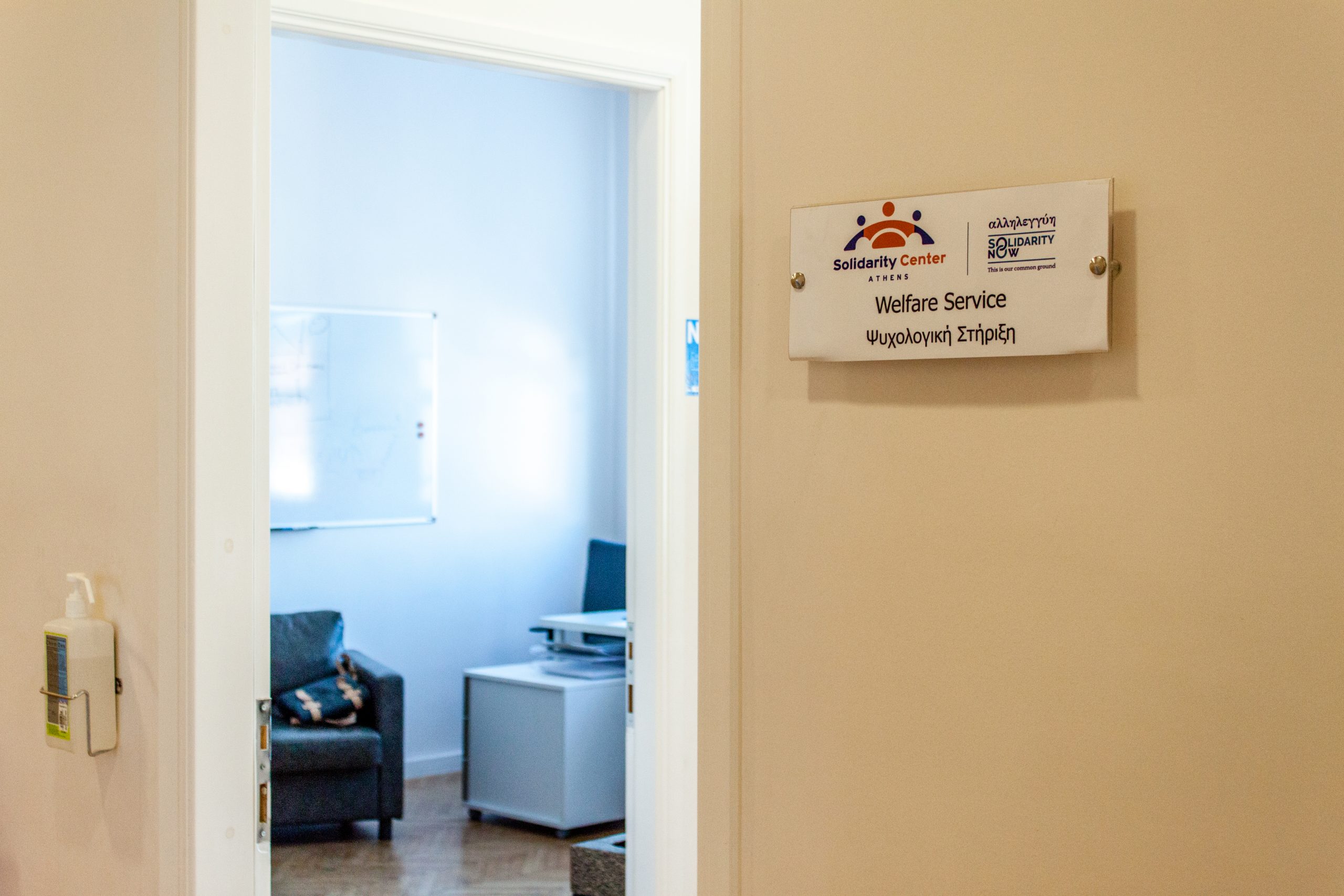
By the Legal Service of the Athens Solidarity Center*

The legal team of Athens Solidarity Center (ASC) of Solidarity Now undertakes cases of legal gender recognition both for legal consultation and legal representation in before the Greek courts.

But what is the legal gender recognition?

The Legal Service of the Athens Solidarity Center responds by providing basic definitions and information, in an effort to clarify frequently asked questions regarding the legal side of the issue, in order to be understood by everyone and especially by the people who want to ask for support.

Gender identity

Gender identity refers to each person’s deeply felt internal and individual experience of gender, which may or may not correspond with the sex assigned at birth, including the personal sense of the body and other expressions of gender, including dress, speech, and mannerisms (Yogyakarta Principles).

Legal Gender Recognition

Legal Gender Recognition is the official recognition of a person’s gender identity, including gender marker and name in public registries and key documents. Identification documents such as a passport, ID-card, social security number or bank card reflecting your genuine self are elementary for everyone, otherwise basic transactions and participation in society become very difficult. For many trans people, the gendered information in these documents, including name, gender, or a gendered digital code, is a constant source of discomfort and trouble. Whenever having to show ID, presenting these documents means having to come out as transgender, even in very inappropriate situations, which can spark humiliation, discrimination and even suspicion of using falsified documents. Thus, Gender Recognition goes beyond being an administrative act: it is essential for many trans people to be able to participate in society and live a life of dignity and respect.

Legislation in Greece

Under the Greek law on the change of gender identity, any citizen older than the age of 15, may self-identify as male or female, regardless of the gender assigned to them at birth, without surgery or medical examination. Previously gender could only be changed in cases where gender dysphoria was diagnosed, and reproductive organs removed. Today, it is a matter of self-identification.

The Legal Service is provided free of charge, as are the other services of the Athens Solidarity Center.

* Since May 2019, the Athens Solidarity Center is financed by EEA and Norway Grants, with HumanRights360 and CROWE Greece as the fund operator. The Center is also supported by the Municipality of Athens.

ATHENS SOLIDARITY CENTER: 6.170 people benefited from its services from June 2019 until December 2020

Copyright Steven Tagle

Athens Solidarity Center by SolidarityNow:

6.170 people benefited from 22.085 pro bono services during the period June 2019 – December 2020

 Satisfaction survey: 91% of the ASC’s beneficiaries declared to be fully satisfied with the services provided.

By the end of 2020, 18 months have passed since the second phase of the grant by the financial mechanism EEA Grants*, was provided for the operation of the Solidarity Center of SolidarityNow in Athens.

During this challenging and testing time, given the restrictions imposed by the COVID-19 pandemic which constantly and unpredictably alter individual, collective, and social freedoms, the Athens Solidarity Center (ASC) stands by those in need. By continuously adapting its operation, remotely and in person, the ASC teams (legal, social, accounting, psychological, employability) provided free services through 22.085 sessions to 6.170 people. The Center follows an “open door” policy, meaning that it welcomes all individuals, indiscriminately – regardless of nationality, origin, sexual orientation, religious or political beliefs etc., based solely on their need. Below are some indicative results that certify its impact, during these adverse conditions as well as the story of a beneficiary supported by the Center:

  • 32% of the 758 employability service beneficiaries found a job.
  • 1166 social benefits were issued for social service beneficiaries.
  • 85% of family reunification cases managed by the legal service were successful.

A case of family reunification with a positive outcome

 The 9-year-old Syrian of Kurdish origin arrived in Greece as an unaccompanied minor. His mother helped all her children escape the war and a few days ago her two sons in Germany, welcomed their little brother, the 9-year-old beneficiary of the Athens Solidarity Center.

This success was the result of the coordinated efforts of the legal and social service teams of the Athens Solidarity Center. The two services joined forces to immediately start the procedures when the 9-year-old arrived at the Center. They firstly worked to offer him a stable protective environment, and then to justify his recognition as an applicant of international protection and request his reunion with his siblings. The positive outcome of the case was announced before the end of 2020 and a few days later, the 9-year-old traveled to Germany to reunite with his brothers.

Athens Solidarity Center’s beneficiaries: Satisfaction survey

SolidarityNow regularly evaluates the services provided at the Center with the aim of continuously improving them in order to meet people’s needs as well as the dynamic social conditions. This was the goal of the survey conducted in two rounds – May-June 2020 and November-December 2020, through personal interviews with 315 and 336 beneficiaries, respectively.

89% of the participants in the 1st and 92% of the participants in the 2nd rounds of the survey, stated that they are completely satisfied with the ASC, both regarding the services provided and the staff of the Center. The Solidarity Center continues its work, i.e., to be on the side of those in need, helping them to overcome obstacles while offering practical solutions. We continue, motivated by our beneficiaries that encourage and urge us to try harder:

“They [employability service] not only connected me with possible employers and educational trainings but also detected in me personal abilities I could never imagine I had. This had a great impact on my appraisal by the employers and my self-confidence”, beneficiary of the employability service, from Greece. “I visited the Center in a confused state. After two years of sessions with my psychologist, I can declare that he is the reason of my calmness today”, beneficiary of the psychological service, from Iran.

Find more in the relevant infographic.

*Since May 2019 the Athens Solidarity Center is financed by EEA and Norway Grants, with HumanRights360 and CROWE Greece as the fund operator. The Center is also supported by the Municipality of Athens.

Refugees in Greece: risk of homelessness and destitution for thousands during winter


Joint statement signed by 74 organisations

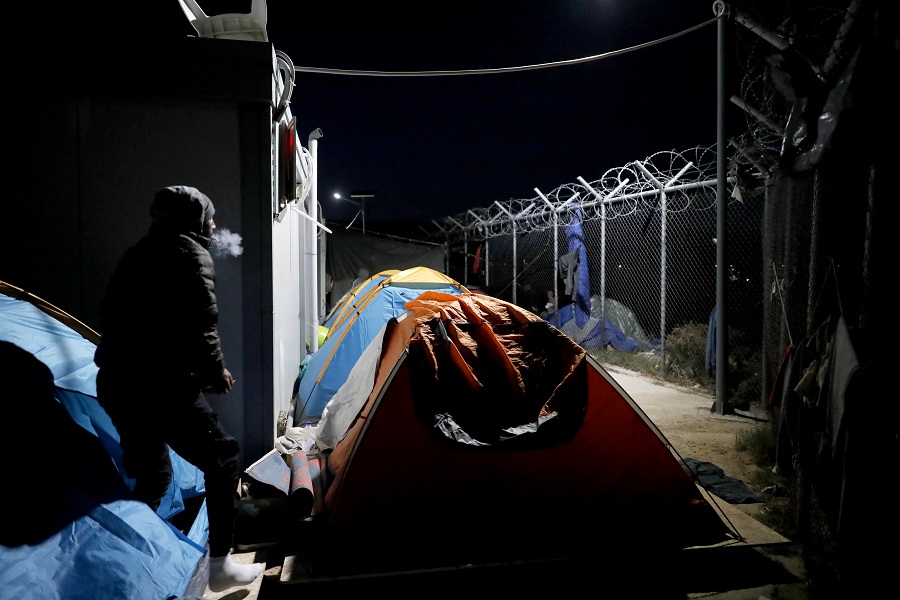
As winter closes in, thousands of refugees in Greece still face homelessness and destitution. While winter always poses a challenge, this year is likely to become one of the most challenging yet due to the ongoing pandemic, a deliberate decrease in the length of support for refugees, and the lack of a comprehensive integration strategy and strategy against homelessness from authorities.

Around 11,000 people who were granted asylum were notified amidst a global pandemic that they were going to face forced exits from apartments for vulnerable people (ESTIA), hotel rooms under the Temporary Shelter and Protection program (FILOXENIA), accommodation in camps on the islands and on the mainland. These forced exits follow a government policy where refugees are forced to ‘stand on their own feet and fend for themselves’ within one month after protection status is granted, resulting in an end to accommodation, access to food support, and EU funded cash assistance.

The EU-funded HELIOS Integration Support program has enrolled 22,980 refugees, but so far only 9,203 people have been able to access rental subsidies. For a great number of people it will not be possible or feasible to receive HELIOS support. Many refugees have been unable to access social rights such as a social security number (PAAYPA), a tax number (AFM) or a bank account, necessary to get a job or rent an apartment, because of bureaucratic obstacles, language barriers and discrimination. The HELIOS program provides a good start but cannot substitute a comprehensive integration strategy that takes into account that integration efforts need to start from the reception stage.

Civil society organisations are especially concerned about the many vulnerable refugees who have been forced to exit or are facing forced exits, including survivors of gender-based violence or torture, people with health issues, including mental health, or disabilities, single women and single-parent families, young adults, and people from the LGBTQ+ community. Many refugees have difficulties or are unable to become self-sufficient because of vulnerabilities or problems accessing essential services and the labour market. In the past, refugees who were asked to exit state-provided accommodation ended up sleeping rough in urban areas or did not leave accommodation out of fear of becoming homeless.

Problems with access to support and services are exacerbated for refugees in camps because of ongoing Covid-19 restrictions and the often remote locations of these sites, making it nearly impossible to search for housing, access services or find work. For many refugees in camps, food insecurity is a constant risk as cash assistance is halted within one month while those not enrolled in the HELIOS programme stop receiving food assistance. The announced transit sites for those forced to exit their accommodation only provide a band-aid solution for some refugees and only ever for a maximum of two months. This period is simply not enough for people to become independent and without proper support, the number of homeless people in cities will increase.

Ultimately, there is a critical absence of a long-term sustainable strategy for integration and inclusion in Greece that results in increased homelessness and destitution for many people—of whom many are refugees. Civil society organisations call on the Greek government to:

  • Urgently take pragmatic measures to ensure that refugees are not evicted during winter and an ongoing pandemic. Focusing on prevention and early intervention and equal access to public services, regarded as essential steps by the European Parliament to end homelessness.
  • Present a lasting strategy for social security and integration which includes access to adequate and affordable housing, including social housing, to ensure the full and effective enjoyment of human rights, in line with the EU Action plan on Integration and Inclusion.
  • Engage in regular consultation and dialogue with civil society about integration as the EU Action plan on Integration and Inclusion emphasised its necessity to achieve integration and inclusion.

Signatories:

  1. Aachener Netzwerk für humanitäre Hilfe und interkulturelle Friedensarbeit e.V.
  2. AASIA
  3. Action for Education
  4. Action for Women
  5. ActionAid Hellas
  6. ANTIGONE – Information and Documentation Centre on Racism, Ecology, Peace and Non Violence
  7. ARSIS – Association for the Social Support of Youth
  8. Better Days
  9. Centre Diotima
  10. Changemakers Lab
  11. Choose Love
  12. CRIBS International
  13. Dirty Girls of Lesvos
  14. DRC GREECE
  15. ECHO100PLUS
  16. Ecological Movement of Thessaloniki
  17. Enough is Enough movement
  18. Equal Rights Beyond Borders
  19. Europe Must Act
  20. European Federation of National Organisations Working with the Homeless (FEANTSA)
  21. Faros
  22. Fenix Humanitarian Legal Aid
  23. foodKIND
  24. Gablitz hilft- Flüchtlingshilfe
  25. Greek Council for Refugees (GCR)
  26. Greek Forum of Migrants
  27. HERMINE e.V.
  28. HIAS Greece
  29. Humanity Now: Direct Refugee Relief
  30. HumanRights360
  31. Humans before Borders
  32. Indigo Volunteers
  33. Intereuropean Human Aid Association
  34. International Rescue Committee (IRC)
  35. INTERSOS
  36. INTERSOS Hellas
  37. InterVolve
  38. Jesuit Refugee Service Greece
  39. Lighthouse Relief (LHR)
  40. Love Welcomes
  41. Mare Liberum
  42. Mobile Info Team
  43. Network for Children’s Rights
  44. Odyssea
  45. One Family – No Borders
  46. One Happy Family
  47. Project Armonia
  48. ReFOCUS Media Labs
  49. Refugee Education and Learning International
  50. Refugee Legal Support (RLS)
  51. Refugee Rights Europe (RRE)
  52. Refugee Trauma Initiative
  53. Refugee Youth Service
  54. RefugeeEd
  55. Refugees International
  56. Samos Volunteers
  57. SAO Association for displaced women
  58. Second Tree
  59. ShowerPower Foundation
  60. SolidarityNow
  61. Soup & Socks e.V.
  62. Still I Rise
  63. Symbiosis – School of Political Studies in Greece, Council of Europe Network of Schools
  64. Terre des hommes Hellas
  65. Thalassa of Solidarity
  66. The Lava Project
  67. Three Peas
  68. UK Must Act
  69. Velos Youth
  70. Verein FAIR.
  71. We Are Here
  72. Willkommen in Nippes
  73. Yoga and Sport For Refugees

SolidarityNow Welcomes and Supports 175 Unaccompanied Minors

Copyright: SolidarityNow

SolidarityNow Welcomes and Supports 175 Unaccompanied Minors

transferred from the Islands and the Evros to the mainland

“We ought to create a human network for children to feel safe and protected, this is our first step” _Antigone Lyberaki, General Manager, SolidarityNow

SolidarityNow, supports the organized efforts of the state and Civil Society for the immediate decongestion of the islands and the border area, for the safe and organized transfer of people, by welcoming and supporting 175 unaccompanied minors in temporary accommodation in the mainland.

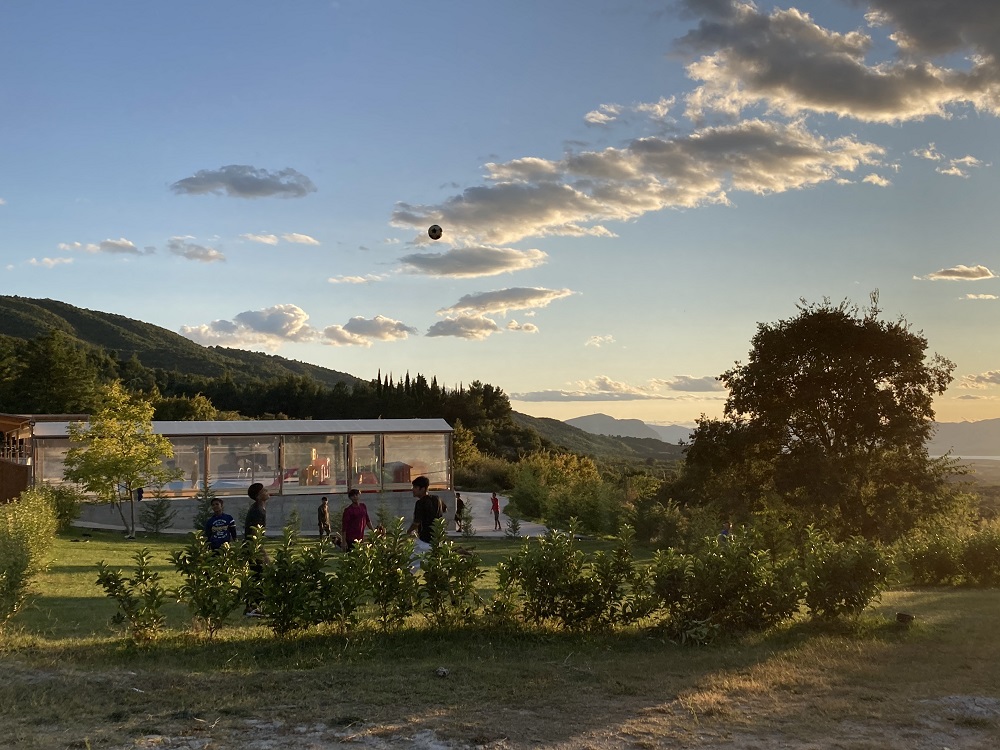
SolidarityNow, under the overall coordination of the Special Secretary for the Protection of Unaccompanied Minors, in cooperation with the International Organization for Migration (IOM) and with the support of the European Commission, provides care and support services for 175 unaccompanied children in three temporary accommodation in northern Greece, specifically in the prefectures of Kozani and Ioannina. The unaccompanied minors previously lived either in Reception and Identification Centers or were under protective custody.

“It is challenging for us to create a human environment where these children will feel protected. We ought to create a human net, through the daily human contact of our teams with them, to make them feel safe and protected, this is our first step. We want them to feel familiar – to give them back the opportunity to feel like children again, like teenagers again. To give them the reassurance that they can claim a better present and an even better future”, points out Antigone Lyberaki, General Manager of SolidarityNow. “Kozani and Ioannina are open-minded places with educated individuals. And it is important for the local communities to embrace this common effort because such initiatives demonstrate how cooperative societies we can be when we have a common goal”.

The SolidarityNow team, which consists of 102 experienced and specialized staff, through the program, provides to these children:

– psychosocial support and personalized case management

– legal advice and facilitating access to public services

– non-formal education and leisure activities

– interpretation and cultural mediation

– clothing and personal hygiene items

– evaluation and advice on medical issues

– escort to health facilities and other services where the physical presence of children is required

SolidarityNow points out that the synergy between the state’s stakeholders and the Civil Society for the transfer of the unaccompanied minors to safe accommodation places is an important step in providing protection to these children, but also a step towards decongestion of the Reception Centers in the Aegean islands and in the border area of ​​Evros, and we hope it continues.