Greece: Urgent Need to Move Asylum Seekers from Islands

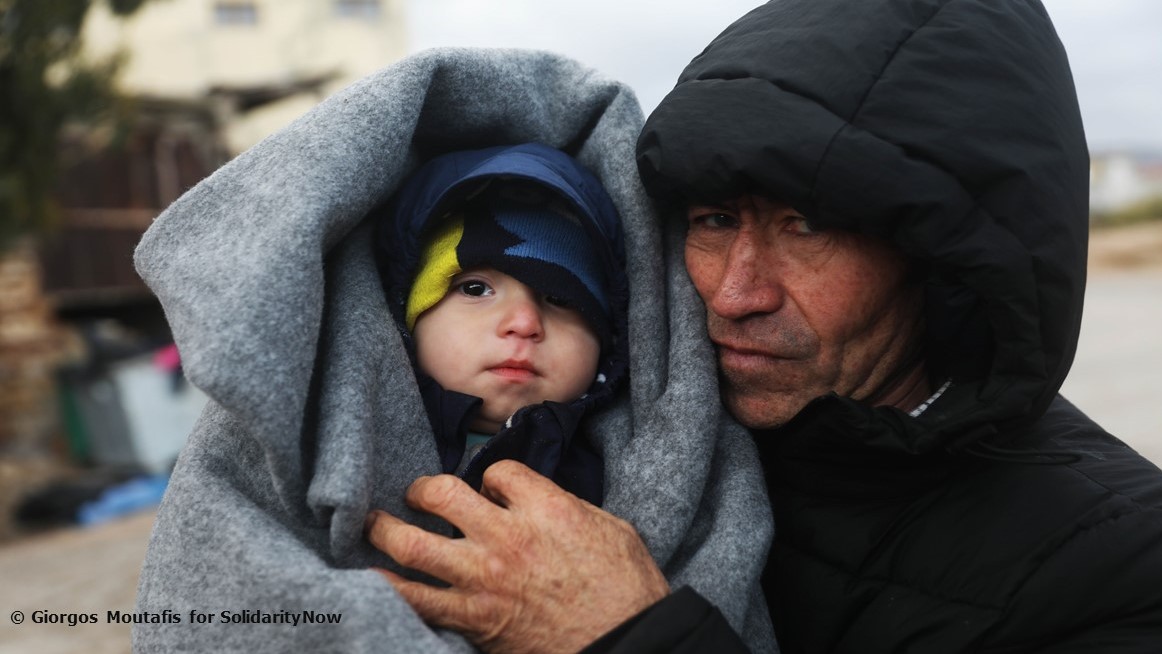
Giorgos Moutafis for SolidarityNow

As Winter Begins, Accelerate Transfers, End Containment Policy

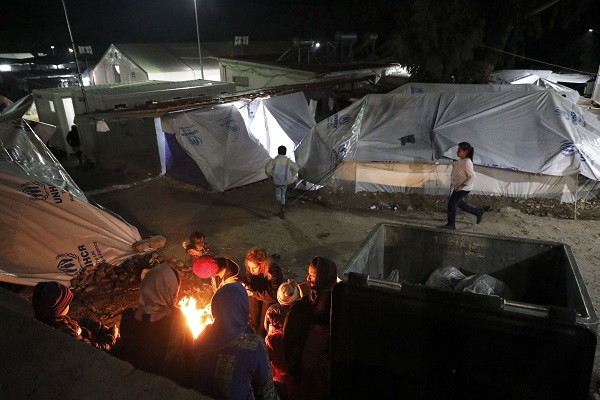
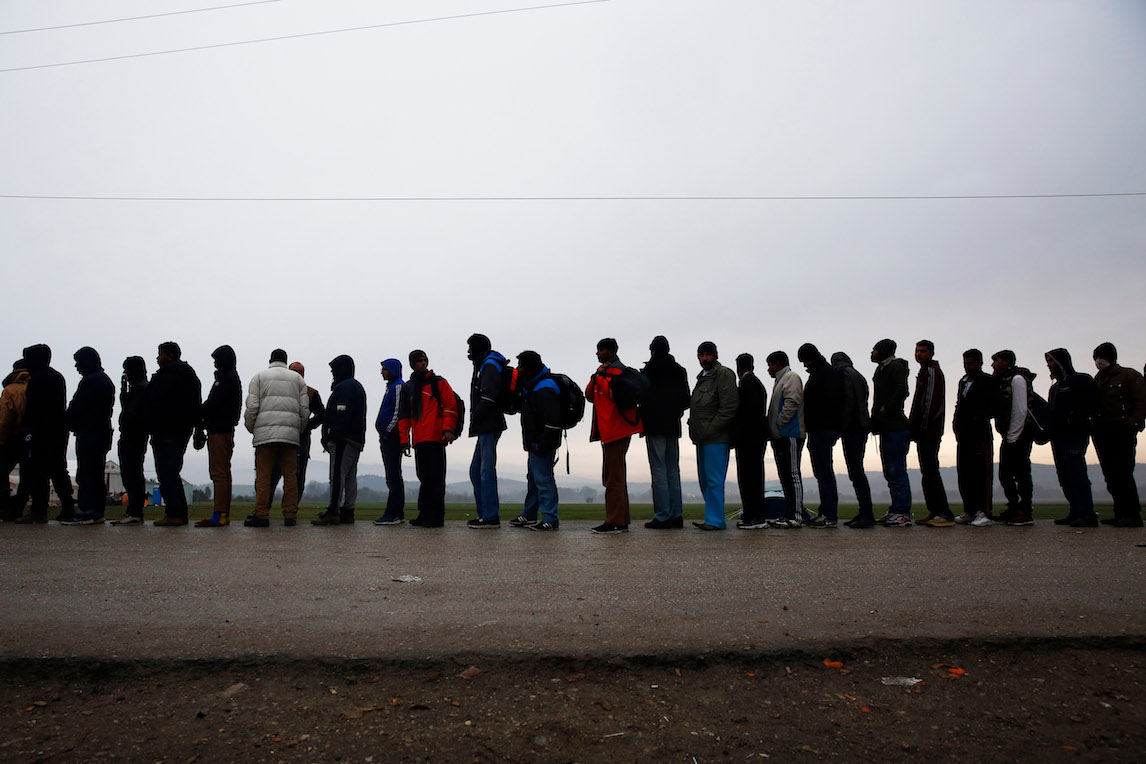
Athens, December 21, 2017. More than 13,500 asylum seekers remain trapped on the Greek islands in most deplorable conditions as winter begins today, December 21st, SolidarityNow states. Greece, with support from its EU partners, should urgently transfer thousands of asylum seekers to the Greek mainland and provide them with adequate accommodation and access to fair and efficient asylum procedures.

The Greek government committed in early December that it would move 5,000 asylum seekers from the islands to the mainland as an emergency measure, before the onset of winter. Despite the transfer of almost 3,000 people since early December, the hotspots on Lesbos, Chios, Samos, Leros, and Kos still have 11,005 people in facilities with a total capacity of just 5,576. More than 1,000 people have arrived to the Greek islands during the same period.

“Αfter the recent incidents in Moria’s camp, resulting in pregnant women and children being injured, the transfer of the population to the mainland, becomes even more urgent. Under these circumstances, we welcome the Greek Government’s decision to promptly move thousands of people to better conditions on the mainland as an emergency measure, however much more needs to be done to improve the situation for refugees in the country. Greece, with the support of the EU and its member states, has to act immediately and protect the human rights of the people arriving at Europe’s borders”, stated SolidarityNow.

In a campaign that began on December 1st, 13 human rights and aid organizations called on Prime Minister Alexis Tsipras, to end Greece’s policy of containing asylum seekers on the islands. The groups said that Greek authorities should immediately transfer people to improved conditions on the mainland and take concrete measures before the official start of winter so that no asylum seekers are left out in the cold. The groups also said that other EU leaders should take a clear stand to end the containment policy that keeps asylum seekers trapped on the islands under an agreement with Turkey to send people refused asylum back there.

SolidarityNow and other groups participating in the campaign will continue campaigning throughout the winter, highlighting the deplorable conditions asylum seekers trapped on the islands face. The groups will press the Greek government and EU leaders for a more effective response that protects the rights and reduces the suffering of asylum seekers arriving in Greece.

The Greek government is expected to introduce a bill in Parliament in the coming days to accelerate the asylum process with the aim of expediting returns to Turkey, under the EU-Turkey deal. While the length of the asylum procedure is one factor contributing to people’s distress on the islands, reducing the length of asylum procedures at the expense of the quality of the process would put asylum seekers at risk of being denied the protection they need, SolidarityNow said.

Such an approach is the wrong way to alleviate overcrowding or address the systemic issues linked to the containment policy and EU-Turkey deal that have created this inhumane situation on the islands. Any reform should ensure that asylum seekers have access to fair and efficient asylum procedures that allow for all asylum claims to be fairly examined on their individual merit.

Organizations Participating in the Campaign:
Amnesty International
Caritas Hellas
Greek Council for Refugees

Greek Forum of Refugees
Help Refugees
Human Rights Watch
International Rescue Committee
Jesuit Refugee Service
Oxfam
Praksis
Spanish Commission for Refugees (CEAR)
SolidarityNow
Terre des Hommes
Concerns for hundreds of unaccompanied children sleeping rough in Greece this winter

Giorgos Moutafis for SolidarityNow

NGOs launch roadmap for handover of refugee response to Greek Government

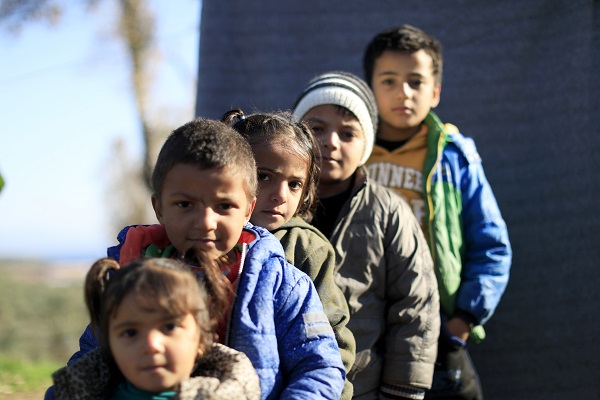
More than 2,000 unaccompanied children are on the waiting list for safe shelters in Greece, according to a new report by 15 organisations. The chronic shortage of accommodation for children is just one of the gaps in services that is worsening as the Greek Government prepares to take full control of the refugee response.

The report provides an overview of the current situation on the islands as well as on the mainland. It sets out a series of recommendations for the Greek Government, EU leaders and the UN for a successful handover to address the persistent gaps in services, access to asylum and opportunities to integrate with Greek society.

While some steps have been taken to move people to the mainland, the islands remain dangerously overcrowded with many families sharing unheated tents as winter sets in. A dangerous shortage of medical and legal staff risks people’s health and has contributed to long delays in the asylum procedure. On the mainland, unaccompanied children are increasingly spending nights in police cells, in squats or on the streets because of a shortage of safe shelters.

To improve the situation, the report says a mechanism is needed to move people to accommodation on the mainland as soon as reception centres reach their capacity. It also calls for all EU states to recognise their legal and moral obligation to consider asylum claims and to relocate the most vulnerable people to other countries in Europe.

It recommends that NGOs and the Greek Government invest in more programmes that build tolerance and integration, and in Greek communities that have borne the brunt of the sudden influx. It also calls on UNCHR – the UN refugee agency – to be more vocal and take a stand against the policies and practices being implemented in Greece that reduce standards and minimize safeguards in the reception, asylum and returns procedures.

Nicola Bay, Head of Mission for Oxfam in Greece, said: “It’s time for the Greek Government to step up and take control of the situation. It should seize this opportunity to learn the lessons of the past two years and to move people from overcrowded and unsafe shelters. Sadly, the misery we are witnessing on the islands will only deepen when winter sets in.”

Jana Frey, Country Director for the International Rescue Committee, said: “Of paramount concern is the safety and wellbeing of the over 3,000 children who are without their family and on their own in Greece. Only about 1,000 are staying in shelters set up to accommodate them. The rest are on a waiting list, with potentially hundreds of children sleeping on the streets or in squats. These children are at grave risk.”

Antigone Lyberaki, General Manager for SolidarityNow, said: ”The Greek Government has the required resources to receive refugees in a safe and dignified manner and support their inclusion into the society. What is needed now is full political will to resolve existing problems that make thousands of people suffer and to create a response system that will benefit both refugees and the hosting community.”

Aleksandra Godziejewska, Head of Mission of CARE in Greece, said: “Despite being in one country, as a direct result of the EU-Turkey statement, the living conditions and protection safeguards of asylum seekers on the Greek islands and the mainland are substantially different. We look forward to the results of the efforts to decongest the islands, and call the Greek government to implement strategies to counter the exclusion and marginalization that all refugees, men, boys, women and girls, can face during the upcoming process of integration.”

Notes to editors

Download the report, here

The report was jointly written with input from the following organisations:

ActionAid, Advocates Abroad, CARE, Caritas Greece, Danish Refugee Council (DRC), Greek Forum of Refugees, Greek Helsinki Monitor, HIAS, International Rescue Committee (IRC), JRS, Oxfam, SolidarityNow, Spanish Commission for Refugees (CEAR), Terre des hommes and Translators Without Borders.

More than 2,100 unaccompanied children are already on the waiting list for safe shelter on the Greek islands, with at least 100 more arriving each month. As of 1 August 2017, the Greek Government took over financing of the existing shelters for these children. At least four of them are facing funding difficulties and may close without immediate action, forcing even more children into police cells, unsafe accommodation or onto the streets.

At the end of July 2017, the Greek Government took over control of the management and funding of the response on the Greek islands from ECHO, the European Commission’s humanitarian division. Some humanitarian agencies have downsized or pulled out of the islands altogether, leading to gaps in vital services such as medical care.

Greece: Move Asylum Seekers to Safety Before Winter Hits

Giorgos Moutafis for SolidarityNow

 12 Groups Open Campaign to End Containment Policy

(Athens, December 1, 2017) – The Greek government, with the support of European Union leaders, should act now before the onset of winter to end Greece’s “containment policy,” 12 human rights and humanitarian organizations said in a campaign that began today.

The groups began a countdown to the official start of winter, December 21, 2017. They said that Prime Minister Alexis Tsipras, with the support of EU leaders, should immediately transfer people to improved conditions on the mainland and take concrete measures by December 21 so that no asylum seekers are left out in the cold.

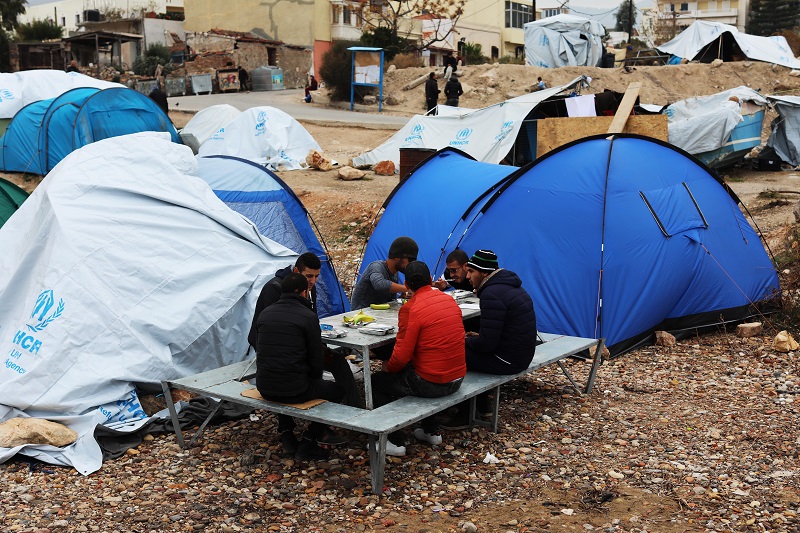
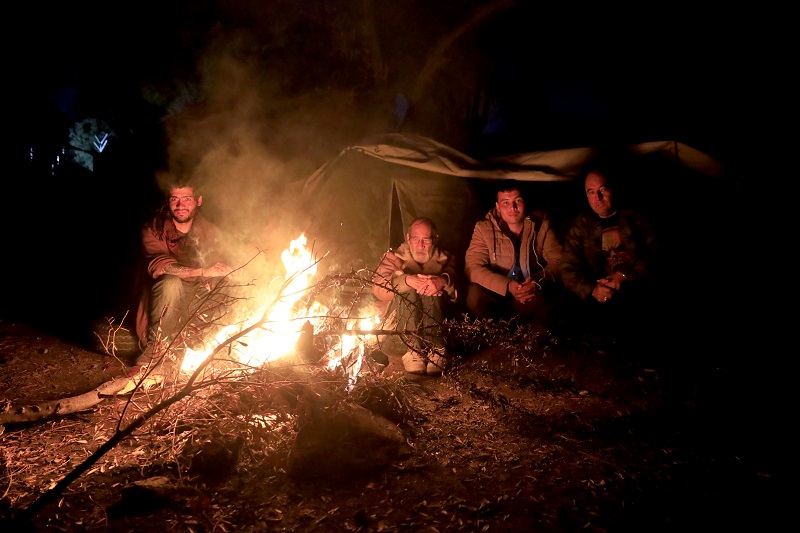
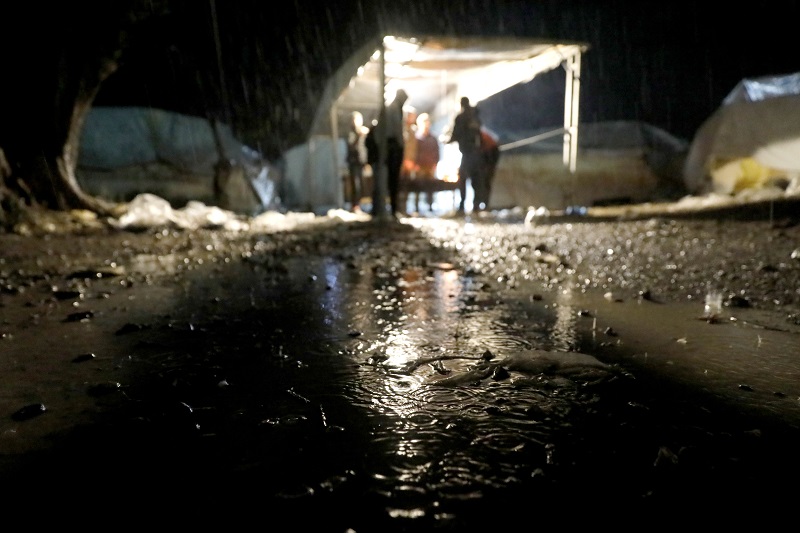
As of November 30, the hotspots on Lesbos, Chios, Samos, Leros, and Kos are almost 7,200 over capacity: 12,744 people in facilities with a capacity of just 5,576. Thousands, including single women, female heads of households, and very young children, live in summer tents, essentially sleeping on the ground, exposed to the cold, damp, and rain as the weather worsens. Some women are forced to share tents and containers with unrelated men, putting their privacy and safety at risk. There is lack of access to clean water, sanitation facilities and health services.

This will be the second winter asylum seekers have had to spend in unsuitable facilities on the islands since the EU-Turkey Deal went into effect in March 2016. Last winter, three men died on Lesbos in the six days between January 24 and 30. Although there is still no official statement on the cause of these deaths, they have been attributed to carbon monoxide poisoning from makeshift heating devices that refugees have been using to warm their freezing tents. In late 2016, a blast likely caused by a cooking gas container killed a Kurdish woman and her young grandchild, also sleeping in a tent in Lesbos.

EU and Greek officials have referred to the EU-Turkey deal as a justification for the containment policy. The policy, put in place as part of the deal, forces asylum seekers arriving on the Greek islands to remain there until their asylum claims are decided, regardless of if there is accommodation capacity or adequate access to services. However, forcing asylum seekers to remain in conditions that violate their rights and are harmful to their well-being, health, and dignity cannot be justified, the groups said. Some who arrived on the islands in the early days of the deal have remained stuck there for 20 months.

As part of the campaign, the groups are teaming up to highlight the deplorable conditions asylum seekers trapped on the islands face; to call on European citizens to get involved; and to monitor and update the public on the response of the Greek government and EU leaders.

For more information on the digital campaign, please visit:
www.solidaritynow.org


Organizations Participating in the Campaign:

  • Amnesty International
  • Caritas Hellas
  • Greek Council of Refugees
  • Help Refugees
  • Human Rights Watch
  • International Rescue Committee
  • Jesuit Refugee Service
  • Oxfam
  • Praksis
  • Spanish Commission for Refugees (CEAR)
  • Solidarity Now
  • Terre des Hommes

20 organisations continue to press Greek Officials and EU States to transfer asylum seekers to the mainland and offer improved reception conditions

Giorgos Moutafis for SolidarityNow

Groups Press Greek Officials, EU States for Mainland Transfers, Improved Conditions

The Greek government, with the support of EU member states, should act now to end Greece’s “containment policy,” 20 human rights and aid groups said today. The policy forces asylum seekers arriving on the Greek islands to remain in overcrowded, unsafe facilities, an urgent concern with winter approaching.
Conditions on the Greek islands have continued to deteriorate in the month since 19 nongovernmental groups wrote an open letter to Greek Prime Minister Alexis Tsipras, calling on him to move asylum seekers to the mainland, where better conditions and services are available.

“This remains a matter of life and death,” said Jana Frey, the International Rescue Committee’s country director in Greece. “There is absolutely no excuse for the conditions on the islands right now – thousands of people crammed into overcrowded and desperately under-resourced facilities. We are in a race against time. Lives will be lost – again – this winter – unless people are allowed to move, in an organised and voluntary fashion, to the mainland.”

Members of the group recently asked to meet with Tsipras to discuss the most urgent needs on the islands and provide recommendations for addressing this increasingly dire situation. They have received no response.

Over the past month, the Greek government has transferred 2,000 people from Samos and Lesbos to the mainland as a one-time emergency measure. When the government announced this initiative in October, these islands were already 5,000 people over capacity. It was clear then that this measure, while helpful, would not suffice.

“Nothing can justify trapping people in these terrible conditions on the islands for another winter,” said Eva Cosse, Greece researcher at Human Rights Watch. “Greece and other European Union member states should act urgently to remove the obstacles to people getting the care and assistance they need on the Greek mainland.”

As of November 20, 2017, the hotspots on Lesbos, Samos, and Chios are hosting 7,000 over capacity: 10,925 people are staying in facilities with a capacity of just 3,924. Thousands, including single women, female heads of households, and very young children, are being forced to live in summer tents, essentially sleeping on the ground, as the weather worsens. Some women are forced to share tents with unrelated men, putting their privacy and safety at risk. This will be the second winter asylum seekers have had to spend in unsuitable facilities on the islands since the EU-Turkey Deal went into effect.

“The EU-Turkey Deal is condemning refugees and migrants to a second winter in squalor on the Greek islands. Instead of trying to maintain the deal at all cost, European countries and Greece should urgently work together and move asylum seekers off the islands,” said Gabriel Sakellaridis, director of Amnesty International in Greece.

EU and Greek officials have cited the EU-Turkey Deal as a justification for the containment policy. However, forcing asylum seekers to remain in conditions that violate their rights and are harmful to their well-being, health, and dignity cannot be justified, the organisations said. As such, the groups have also written to EU member state ambassadors to Greece urging them to immediately call on the Greek government to suspend, the containment policy.

The groups urged Prime Minister Tsipras to protect the human rights of asylum seekers trapped on the islands by ending the containment policy, immediately transferring people to improved conditions on the mainland, and making a commitment to ensure that no one is forced to sleep in a tent.

Because the “containment policy” is being implemented in response to the EU-Turkey deal, the organizations highlighted the responsibility of the European Commission and the EU member states to address the situation on the Greek islands and to press the Greek government to reverse the policy. EU member states should support the Greek government’s efforts to ensure the safety and dignity of asylum seekers in EU territory, including by expanding safe accommodation and access to services on the mainland.

“In an effort to make the EU-Turkey deal work, the Greek islands have been transformed into places of indefinite confinement for asylum seekers who have risked their lives in search of safety and a better life in Europe,” said Nicola Bay, head of mission for Oxfam in Greece. “The EU and the Greek government need to start putting people’s lives ahead of politics and uphold Europe’s commitment to human rights.”

To read the joint letter to Prime Minister Alexis Tsipras, please visit:
https://www.solidaritynow.org/en/prime_minister_letter/


Human Rights Watch

International Rescue Committee

ActionAid

Advocates Abroad

AITIMA

Amnesty International

Arsis

CARE

Caritas Hellas

Danish Refugee Council Greece

Greek Council for Refugees 

Greek Forum of Refugees

Greek Helsinki Monitor

Help Refugees

Jesuit Refugee Service

Lesbos Legal Center

OXFAM

Praksis

SolidarityNow

Terre des hommes


Greece: Asylum Seekers in Abysmal Conditions on Islands. Groups Press Tsipras for Transfers to Mainland

Giorgos Moutafis for SolidarityNow

(Athens, October 23, 2017) – Prime Minister Alexis Tsipras should end the Greek government’s “containment policy” of confining asylum seekers to the Aegean islands, 19 human rights and humanitarian aid organizations said in an open letter released today.

Thousands of people, including very young children, single or pregnant women, and people with physical disabilities, are trapped in abysmal conditions as winter sets in. Forcing asylum seekers to remain in conditions that violate their rights and are harmful to their well-being, health, and dignity, cannot be justified by the implementation of the EU-Turkey deal, the organizations said.

Since the implementation of the EU-Turkey Statement in March 2016, the Greek islands of Lesbos, Chios, Samos, Kos, and Leros have become places of indefinite confinement. Thousands of women, men, and children are trapped in deplorable and volatile conditions, with many denied access to adequate asylum procedures. Asylum seekers who arrived on the islands in the first days of the implementation of the EU-Turkey Deal have been stuck there for almost 19 months.

The recent increase in arrivals of men, women, and children has increased the pressure on the already overcrowded reception and identification centers known as hotspots. Current arrivals are still comparatively quite low and should be manageable for Greece and the EU more broadly, but they include a significant number of women and children.

The situation is particularly critical on Samos and Lesbos, where a total of more than 8,300 asylum seekers and migrants are living in hotspot facilities meant for just 3,000. The recent announcement that 2,000 asylum seekers will be moved from the two islands to the mainland in the coming weeks as an emergency decongestion measure is a positive development, the groups said. But it is not sufficient to alleviate the current overcrowding of the facilities and does not sustainably address the systemic issues that have created this emergency situation – namely the containment policy.

With the approach of the third winter since large-scale arrivals on the islands began, it is evident that the Greek authorities cannot meet the basic needs and protect the rights of asylum seekers while they remain on the islands. Implementation of the EU-Turkey Statement has been cited by EU and Greek officials as a justification for the containment policy. But forcing asylum seekers to remain in conditions that violate their rights and are harmful to their well-being, health, and dignity, cannot be justified, the organizations said.

The organizations urged Prime Minister Tsipras to protect the human rights of asylum seekers trapped on the islands by ending the containment policy. They should be transferred to the mainland so that they can be provided with adequate accommodation and services to meet their needs and to ensure that their asylum claims are fairly heard.

Quotes from Participating Groups

“Greece should end its cruel policy of trapping asylum seekers on the islands,” said Eva Cossé, Greece researcher at Human Rights Watch. “People should not be forced to suffer another winter in unheated tents and without proper services.”

“The policy of containment is putting the lives of people who are seeking sanctuary in Europe at risk,” said Jana Frey, the International Rescue Committee’s country director. “While we welcome the government’s announcement to move 2,000 people on Lesbos and Samos off the islands in the coming days as an emergency measure, this can only be seen as a first step. Far more must be done to both improve conditions on the islands, and move the most vulnerable to the mainland, in order to ensure that lives are not lost this winter.”

“The EU-Turkey deal must no longer be used as pretext to strand asylum-seekers in inhuman conditions on the Greek islands’’ said Irem Arf, Amnesty International’s researcher on migration. “It is imperative that the Greek government urgently move people to mainland Greece.”

“The policy of implementing the EU-Turkey Statement has been violating asylum seekers’ rights under international law, and has contributed in disrupting social cohesion in the Greek islands affected,” said Spyros Rizakos, director of Aitima. “It is high time the EU and Greek authorities abandoned this policy.”

“Europe is refusing to offer humane reception conditions and dignity to people in need who arrive on our shores,” said Nicola Bay, head of mission for Oxfam in Greece. “Greek and EU authorities should immediately transfer migrants to the Greek mainland instead of leaving them trapped in abysmal conditions on the Greek islands.”

“Making these Greek islands a huge detention center isn’t in the interests of anyone,” said Gianmaria Pinto, Country Director of the Norwegian Refugee Council. “We all know what it is needed, including the government: to provide vulnerable people trapped on the islands with dignified accommodation and adequate services, without overlooking legal aid.”

To read the joint letter to Prime Minister Alexis Tsipras, please press here


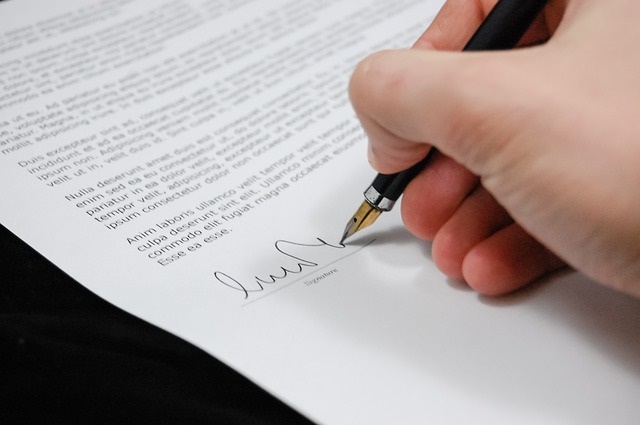
Joint Letter to the Greek Prime Minister, Mr. Alexis Tsipras

Giorgos Moutafis for SolidarityNow

19 human rights and humanitarian aid organizations release an open letter requesting the Greek Prime Minister Alexis Tsipras to end the Greek government’s “containment policy” of confining asylum seekers to the Aegean islands.


His Excellency Mr. Alexis Tsipras

Prime Minister of the Hellenic Republic

Prime Minister’s Diplomatic Cabinet

Vasilissis Sofias 5

106 71 Athens

Greece

dipl.of.pm@mfa.gr

Fax: +30 210 368 1717


Athens, October 23, 2017

Dear Prime Minister Tsipras,

We, undersigned human rights and humanitarian non-governmental organisations, are writing to express our deep concern at the deteriorating conditions for thousands of women, men and children, seeking asylum and trapped on the Aegean islands as winter sets in.

We urge you to put an end to the ongoing “containment policy” of trapping asylum seekers on the islands if they arrived after the entry into force of the EU-Turkey Statement of March 18, 2016, and to immediately transfer asylum seekers to the mainland and meet their protection needs, including by providing them with adequate and dignified protection, accommodation and access to services.

We acknowledge the efforts of the Greek Government and the solidarity of the Greek people towards asylum seekers and migrants in the past years. Many of our organisations have repeatedly called on the European Union and its member states to demonstrate genuine collective action and share fairly the responsibility towards asylum seekers and migrants arriving in Greece since 2015 in a way that is humane and respects their human rights. However, the disappointing lack of real solidarity and commitment to responsibility sharing by many EU member states is no justification for the current state of asylum seekers on the Greek islands.

Since the EU-Turkey Statement came into effect, the Greek islands of Lesbos, Chios, Samos, Kos and Leros have been transformed into places of indefinite confinement for asylum seekers. Thousands of women, men and children have been trapped on these islands in abysmal conditions and many lack access to adequate and timely asylum procedures and protection. Some who arrived on the islands in the early days of the EU-Turkey Statement have remained stuck there for 19 months.

The recent increase in arrivals, which are still comparatively quite low and should be manageable for Greece and the EU more broadly, include a considerable number of women and children, and have put further pressure on the already overcrowded hotspots. According

to recent government data, the situation is particularly critical in the hotspots on Samos and Lesbos, where a total of more than 8,300 people are living in facilities intended for just 3,000. We welcome the recent announcement that 2,000 asylum seekers will be moved from Samos and Lesbos to the mainland in the coming weeks as an emergency decongestion measure, and hope to see this commitment fulfilled as soon as possible; however, this is not sufficient to alleviate the current overcrowding of the facilities and does not sustainably address the systemic issues that have created this emergency situation. Only uplifting the geographical limitation imposed on the asylum seekers on the islands can provide a sustainable solution.

While the ongoing transition to full State management of the provision of services on the islands began in August, a harmonised, holistic response plan has yet to be released, reception conditions are deteriorating, and gaps in basic services, especially medical, are increasing.

On Lesbos, more than 5,400 people live in overcrowded tents and containers, with little access to proper shelter, food, water, sanitation, health care, or protection. Dozens of people, including very young children, are crammed into tents with only a canvas cloth separating one family from another. The living conditions are particularly harsh for pregnant women to endure, and place themselves and their babies’ health at risk. Summer camping tents, designed to accommodate not more than two people, are now holding families of up to seven. Accessing water, sanitation and food is particularly difficult for the many people with physical disabilities—for example, people using wheelchairs simply cannot reach these basic services. Single women in the hotspots report harassment by some of the men. And some asylum seekers have gone through their asylum interview without having had the requisite vulnerability assessment critical for determining both the asylum pathway available to them and the care they may require to prevent further deterioration of their health. These conditions have a devastating impact on the long-term well-being of people trapped there.

A number of human rights and humanitarian non-governmental organisations, including Médecins Sans Frontières (Doctors Without Borders) and Human Rights Watch, have documented the impact of these conditions on the mental health of asylum seekers and migrants – including incidents of self-injury, suicide attempts, anxiety, aggression, and depression. Professionals who have interacted with the asylum seekers note that in many cases, the psychological distress they experience has been factored and/or exacerbated by the policy of “containing” them on islands, which also impedes their access to adequate support and mental health care.

Implementation of the EU-Turkey Statement has been cited by EU and Greek officials as a justification for the containment policy. But forcing asylum seekers to remain in conditions that violate their rights and are harmful to their wellbeing, health and dignity cannot be justified. As we approach the third winter since large-scale arrivals on the islands began, and the second winter since the entry into force of the EU-Turkey Statement, it is evident that the Greek authorities cannot meet the basic needs and protect the rights of asylum seekers while they remain on the islands.

Greece has a responsibility to protect the human rights of women, men and children arriving on the islands. That can only be achieved by ending the current containment policy and transferring asylum seekers to the mainland, so that they can be provided with adequate accommodation, services to meet their needs, and access to fair and efficient asylum procedures.

We thank you for your attention, and remain available for any further discussion with your excellency or a relevant government official on this important matter.

Yours sincerely,

ActionAid

Advocates Abroad

Aitima

Amnesty International

Care

Danish Refugee Council

International Federation for Human Rights (FIDH)

Greek Council for Refugees (The Greek Council for Refugees endorses the text, within the framework of its actions and scope)

Greek Forum of Refugees

Greek Helsinki Monitor

Hellenic League for Human Rights

Human Rights Watch

International Rescue Committee

Jesuit Refugee Council

Lesbos Legal Center

Norwegian Refugee Council

Oxfam

Praksis

Solidarity Now


Read the letter here

Memo to the Committee of Ministers of the Council of Europe


In the context of the supervision of execution of the judgment of the European Court of Human Rights that had suspended the returns of refugees to Greece (MSS v. Belgium and Greece, 2011), SolidarityNow provided data to the Open Society Justice Initiative in order to submit a memo before the Committee of Ministers of the Council of Europe.

The memo analyses the systemic deficiencies that still exist in the Greek reception and asylum system, and that expose refugees to a real risk of inhuman or degrading treatment. Also, the memo documents the lack of political will of Greece to improve reception conditions, and the responsibility of the EU for developing and adhering to a deeply problematic European asylum system that violates human rights and the EU acquis.

MSS submission to CM-DH 08.08.2017

Letter to the Ministry of Labour about the harmonization of the Greek legislation with Greek Code of Migration and Social Inclusion


Following the Greek Ombudsman’s response to a report submitted in February by SolidarityNow and the organization Generation 2.0 Red, the two organizations have addressed the Ministry of Labour, requesting the harmonization of the Greek legislation with Greek Code of Migration and Social Inclusion and with the principle of equal treatment, also in accordance with the jurisprudence of the Court of Justice the European Union.

The organizations’ intervention concerns provisions of existing insurance legislation that conflict with the principle of equal treatment, since they result in different treatment with mere criterion the nationality without any substantive justification for the deviation.

Letter in GR

Joint letter by 7 NGOs regarding the imposition and non-lifting of geographical restrictions on international protection seekers

Giorgos Moutafis for SolidarityNow

Α joint letter was addressed to Greek authorities by 7 NGOs, regarding the imposition and non-lifting of geographical restrictions on international protection seekers having entered the Greek territory through the maritime borders. As legal aid partners we can confirm that this challenging situation is leaving many vulnerable cases that had to flee the islands in a de facto vacuum that may affect the protection space in Greece.


Recipients: Central Asylum Service, Greek Police, Ministry of Migration Policy, General Secretariat of Reception (contact details to be added)

Copied: Ombudsman, Children’s Ombudsman

We would herby like to draw your attention and bring under your kind consideration the issue of the imposition and non-lifting of geographical restrictions on international protection seekers having entered the Greek territory through the maritime borders. As legal aid partners we can confirm that this challenging situation is leaving many vulnerable cases that had to flee the islands in a de facto vacuum that may affect the protection space in Greece.

Following the implementation of the EU-Turkey Joint Declaration of 18 March 2016, the Hellenic Police and/or the Asylum Service started imposing restrictions on the movement of all those entering the country across the sea border without the formal documents until the end of the asylum procedure or their removal from the country (“geographical restrictions”), without always assessing whether applicants fell within the exceptions of Article 60 of Law 4375/2016.

It should be noted that among those people of concern, many have particular vulnerabilities that fall within the exceptions of Article 60 § 4 (f) of Law 4375/2016, either pre-existing or occurring during their stay in the island, due to the harsh living conditions, including detention conditions and living in RICs. As a result, many vulnerable asylum seekers are forced to violate their geographical restrictions and reach the mainland in a state of emergency, affecting their vulnerability and potentially endangering the life, health and physical integrity of their family.

During their stay in the mainland, the maintenance of the geographical restriction impedes their access to the asylum procedure and consequently to the services and benefits provided to asylum seekers (i.e. accommodation, food, allowance, medical and psychosocial support), increasing their vulnerability and exposing them to further risks. Those who have tried to invoke the application of Article 60 §4 f of Law 4375/2016 are excluded from the actual exercise of their legal rights, as the authorities, in their vast majority, refuse to consider their eligibility as long as they are in the mainland, and ask the applicants, irrespective of their vulnerability, to return on their own expenses and means to the island, while in many cases they are arrested by the Police and prosecuted in accordance with Article 182 of the Penal Code.

Characteristic is the case of two asylum seekers who, in a judgment of the Criminal Court (decision No. 2627/2017 Thessaloniki), were found innocent in relation to the aforementioned criminal offense (182 PC), and were subsequently ordered by the police to return on their own means to the island, following their discharge.  In the case of a patient, the geographic restriction was provisionally lifted under the condition of returning to the same living conditions in the island after the end of the treatment, but the disease itself was intensified due to the conditions on the island.

This practice tends to be intensified, as there are many cases where geographical restrictions were imposed without being lawful, or where the Greek Police or the Asylum Service refused, expressly or implicitly, to lift the imposed geographical restrictions, citing lack of competence in the mainland. Among them there are cases of gendered based violence survivors, serious psychiatric incidents, including those with Post Traumatic Stress Disorder, for whom the restriction was maintained despite the Public Prosecutor’s order for transfer to a psychiatric clinic in the mainland, addicts that need treatment not provided in the islands, single-parent families, unaccompanied minors, Dublin Regulation cases, people with serious medical problems, e.g. cancer, elderly (over 65),  minors, but also cases that are vulnerable without falling under the vulnerability categories prescribed under the law, such as survivors of human organs trafficking, large families with many underage children, as well as people threatened or injured by gangs operating in the islands.

In view of the above, we consider it necessary to bring under your attention the following:

  1. The imposition of an administrative residence restriction is a measure of freedom limitation alternative to detention, therefore its systematic and indiscriminative enforcement is arbitrary. Such restrictions may only be imposed on the basis of an individualized and sufficiently reasoned judgment, provided that the measure is strictly necessary and reasonable.
  2. Before imposing any geographical restriction, Your Services need to assure the substantive assessment of the vulnerability, as well as the other explicit exceptions (family reunification) imposed by article 60 par. 4f of Law 4375/2016, in order to limit the above mentioned phenomena in the future. The decision on the imposition of geographical restrictions, including on the non-existence of grounds for exception, must include a complete and detailed statement of reasons as required by the Constitution for all unfavourable individual administrative acts.
  3. In the event of a vulnerability of a case with geographical restriction, either on the islands or on the mainland, the public Service, which identifies it, should refer it – if necessary – to the Service responsible for the assessment of the vulnerability, which then should either lift the geographical restriction, or propose without delay its lifting by the Service that imposed it without the need for the person to go back to the island if s/he is in the mainland.
  4. The decision on the application for the lifting of the geographical restriction must be written, fully justified, legally served on the person concerned and contain an indication of the remedy, which may be exercised, and the time-limit within which it may be exercised.

Co-signed organisations

SOLIDARITY NOW

ARSIS

ILIAKTIDA

Hellenic League for Human Rights

GREEK COUNCIL FOR REFUGEES

PRAKSIS

TERRE DES HOMMES GREECE